
Last updated November 15, 2026
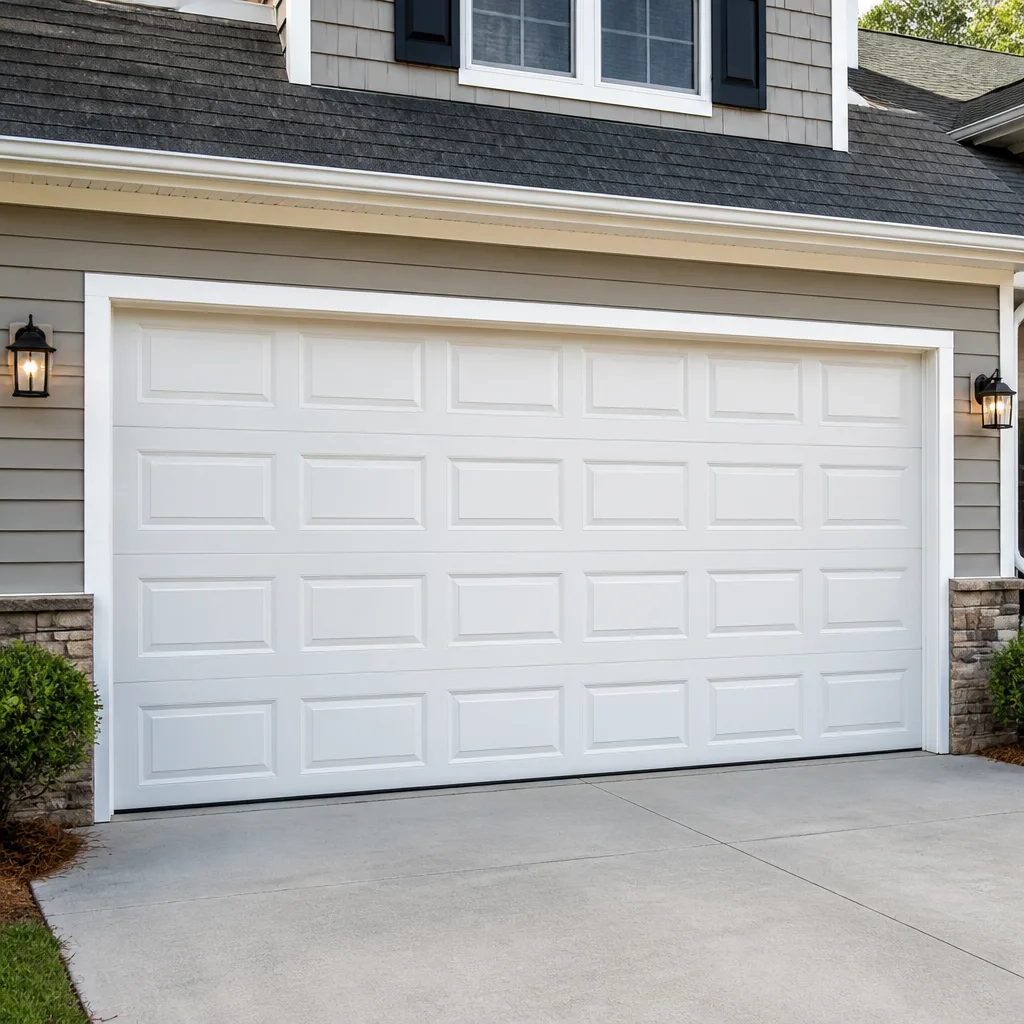 Raised-panel steel
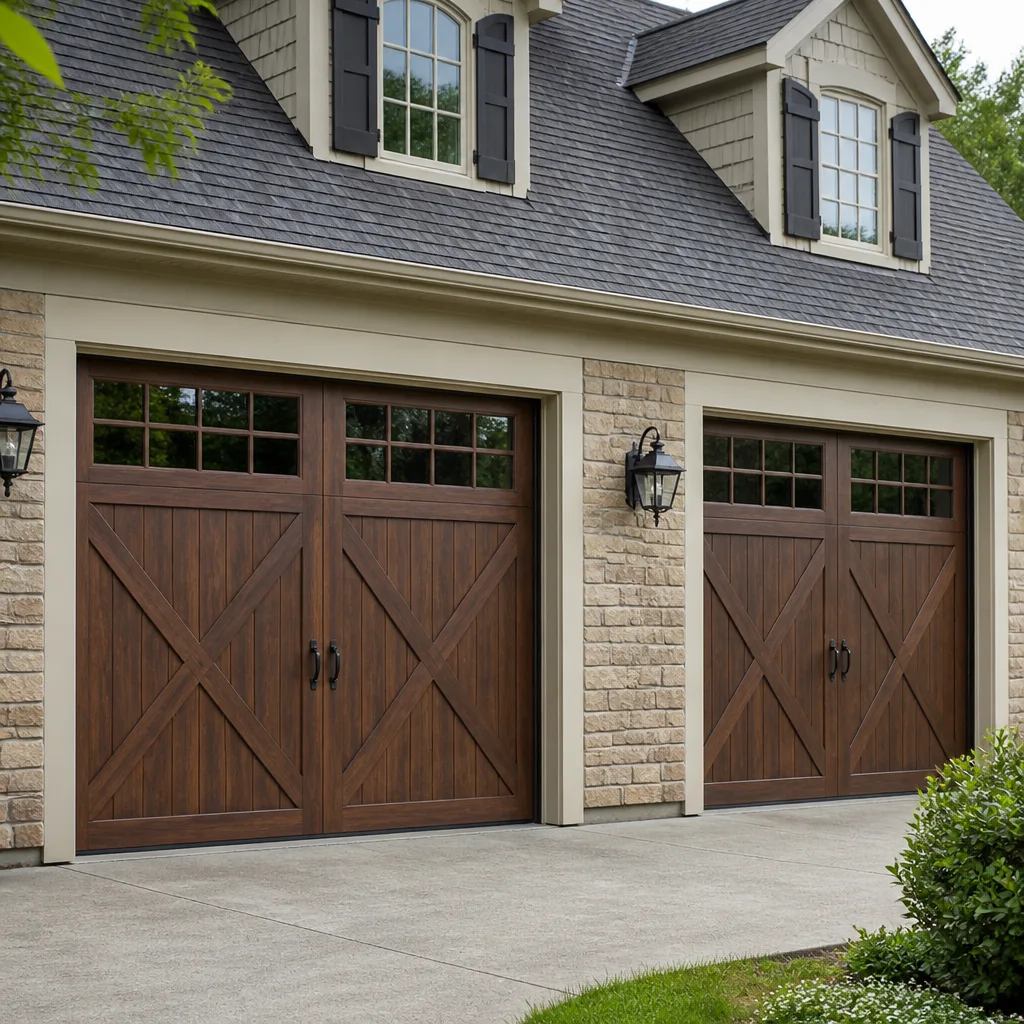 Carriage house
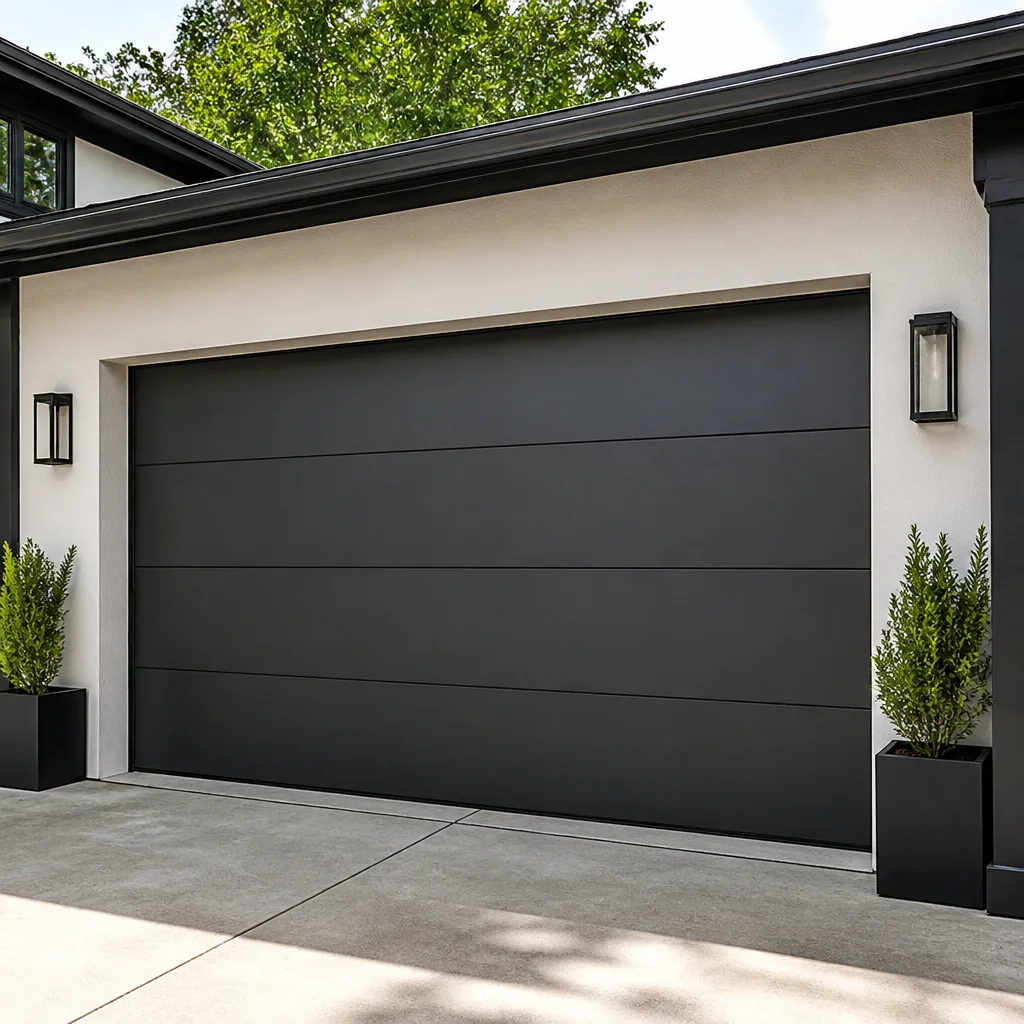 Modern flush
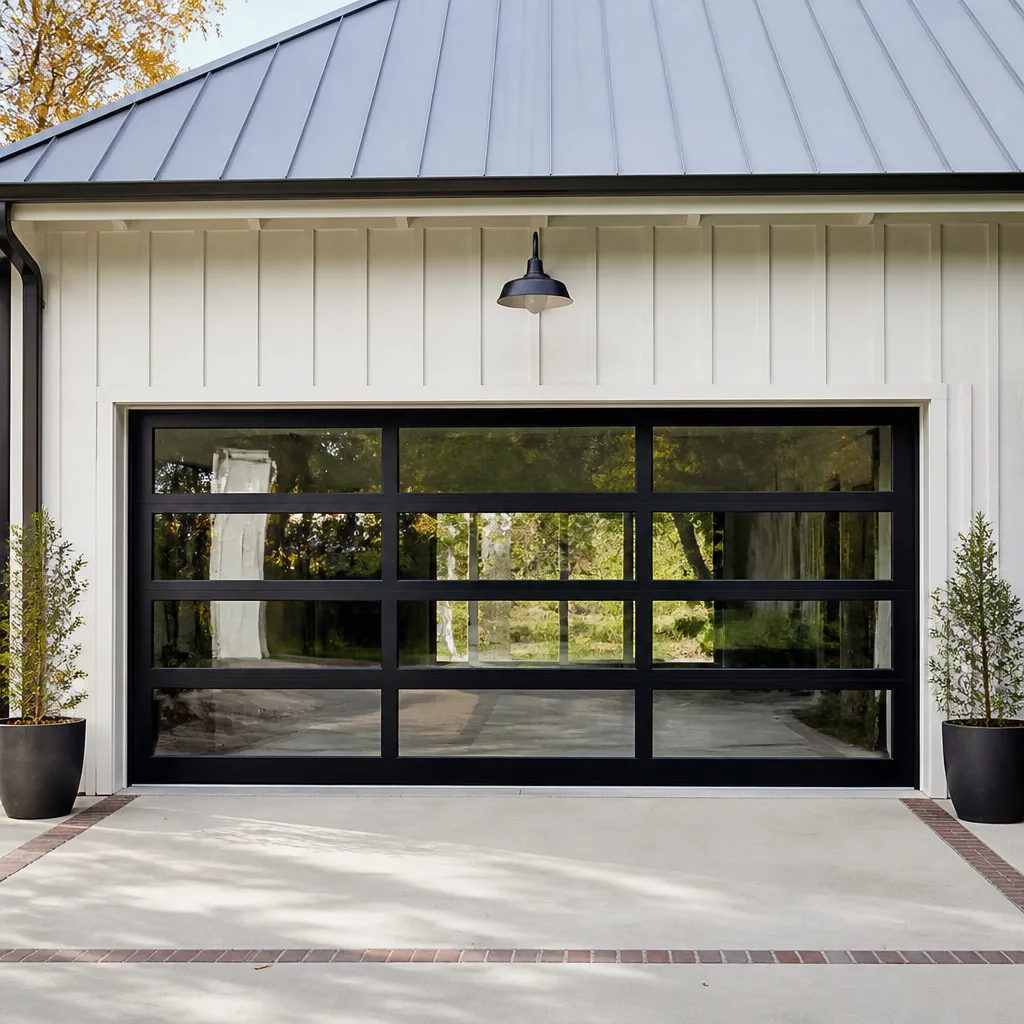 Full-view glass
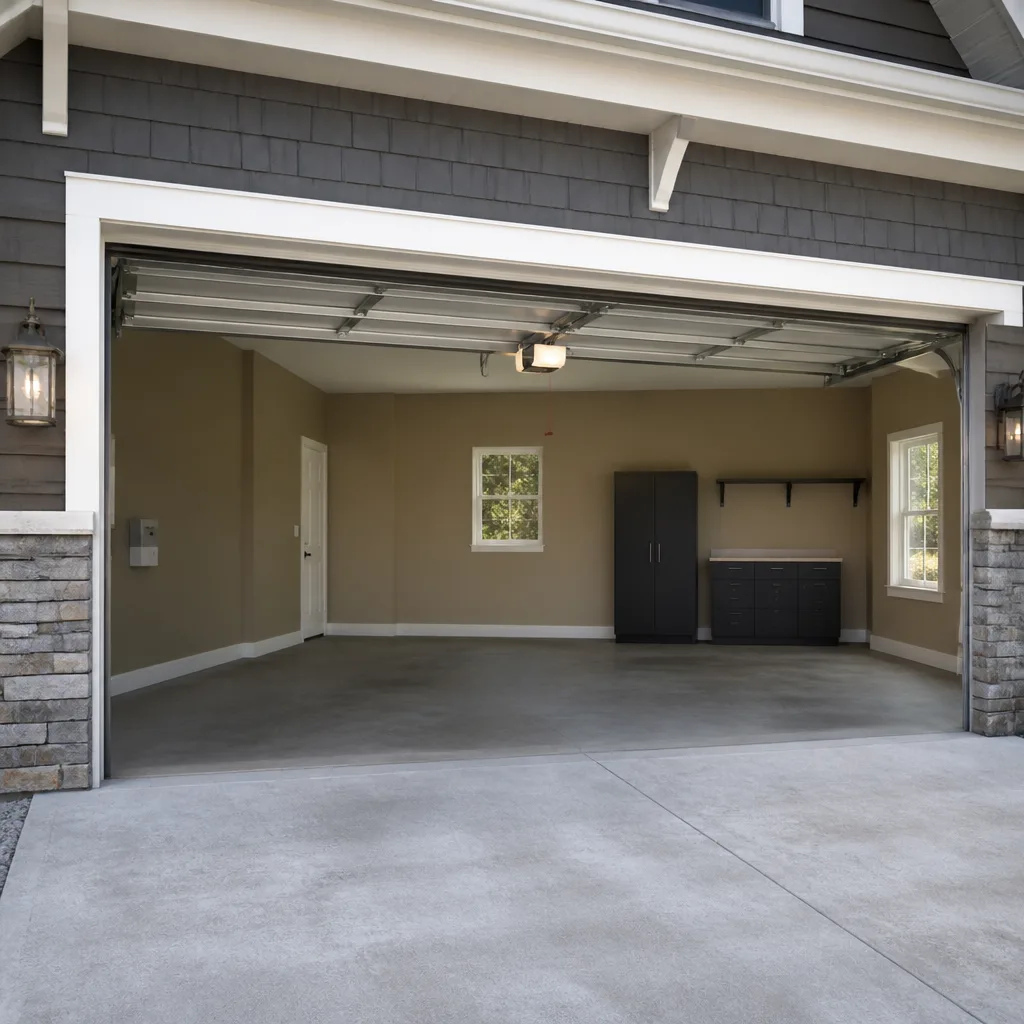 LiftMaster openers
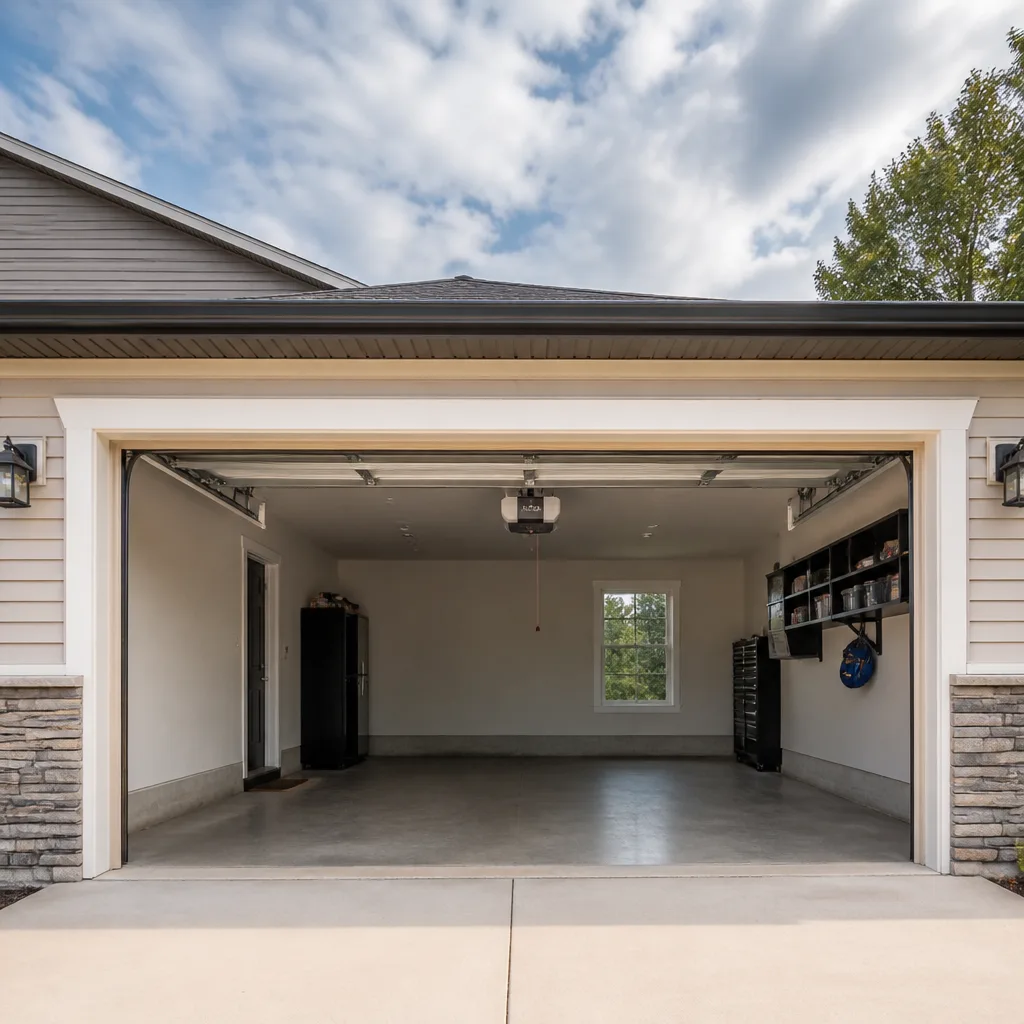 Chamberlain openers
Full 25-point door and opener safety check with every visit - springs, cables, rollers, tracks, and your LiftMaster or Chamberlain opener included
You get a price before we start. It does not change when the pro arrives.
Get your free estimateDIY vs Professional Garage Door: The Joliet Homeowner’s Decision Guide
A torsion spring and a can of spray lubricant both look approachable. One stores enough energy to break a wrist or worse. That’s the whole problem with the DIY vs professional garage door question: the parts that look easy and the parts that are genuinely easy are not the same parts. Confidence tells you nothing here. Physics does. In this guide we’ll sort every common garage door task into one of two columns – what a careful homeowner can safely handle in Joliet, and what needs a trained specialist regardless of how handy you are. You’ll also learn what a failed DIY attempt actually costs in secondary damage, and how to reset a door after a Joliet winter without making anything worse.
Quick Answer
Safe DIY garage door tasks are limited to low-energy work: weatherstripping, lubricating hinges and rollers, aligning safety sensors, and straightening minor dents. Anything involving torsion springs, extension springs, lift cables, or full door replacement requires a professional. The dividing line is stored mechanical energy, not skill level. If a task means releasing tension from a system holding a door weighing well over a hundred pounds, it belongs to a trained technician.
Styles & brands we work with
- Raised-panel steel
- Carriage house
- Modern flush
- Full-view glass
- LiftMaster openers
- Chamberlain openers
Table of Contents
- Why the DIY Line Isn’t About Confidence
- What’s Genuinely Safe to Do Yourself
- What Requires a Professional, Every Time
- The Real Cost When DIY Goes Wrong
- Tools, Parts, and Knowledge You Can’t Buy at a Big Box Store
- When DIY Maintenance Helps and When It Voids a Warranty
- The Joliet Post-Winter Reset: Highest-Value DIY Work You Can Do
- Opener Adjustments: Safe Settings and the Ones to Leave Alone
Why the DIY Line Isn’t About Confidence
The internet is full of garage door repair videos, and most of them are filmed by people who know exactly what they’re doing. That’s the trap. Watching someone replace a torsion spring makes it look like a two-wrench job. In practice, a torsion spring on a standard residential door is wound to a tension measured in hundreds of foot-pounds, and that tension stays in the spring until a technician deliberately releases it with the right winding bars and the right technique. One slip and the spring or the winding bar moves in a direction your body doesn’t want.
Garage doors are also the largest moving object in most Joliet homes. A single-car door runs around 130 to 150 pounds. A double door can top 250. Everything about that weight is managed by springs, cables, and the torsion tube or extension spring assembly – all of which are under load every second of the day, whether the door is open, closed, or sitting still. That’s why the danger doesn’t go away when you’re “just” adjusting a cable or “just” tightening a bracket.
Here’s the framing that actually holds up:
- Low-energy tasks – seals, sensors, lubrication, cleaning, minor cosmetic fixes: safe for a careful homeowner with basic tools.
- High-energy tasks – anything touching springs, cables, drums, bottom brackets, or the door’s balance: professional work, no exceptions.
- System-level tasks – new door installation, full opener replacement, track realignment after an impact: professional work, because the margins for error are tight and the consequences are structural.
In our experience, the homeowners who get into trouble aren’t reckless. They’re capable people who’ve done plumbing, electrical, and drywall work themselves and assume a garage door is simpler. It’s not simpler. It’s just quieter about how much energy it holds.
What’s Genuinely Safe to Do Yourself
There’s a real list here, and it’s worth doing. These tasks keep a door running smoothly between professional visits and cost almost nothing in parts. Every one of them stays away from stored tension.
- Weatherstripping replacement. The rubber or vinyl seal along the bottom of the door takes the most abuse of any component. In a Joliet climate it hardens through cold snaps and cracks from freeze-thaw cycles. A new bottom seal is a common hardware-store item and typically slides or nails into the retainer without touching any moving part under load.
- Safety sensor alignment. The two photo-eye sensors near the floor should face each other squarely with a steady indicator light on each. If the door reverses for no obvious reason, a bumped sensor or a spiderweb across the lens is usually the cause. Straightening the bracket and wiping the lens is a five-minute fix.
- Lubrication. A garage door has hinges, rollers, and a torsion tube or extension spring that all benefit from a garage-door-specific lubricant (not WD-40, which is a solvent, not a lubricant). Two light passes a year is enough. Wipe away excess so it doesn’t attract grit.
- Minor panel dents. Cosmetic dents on a steel door can sometimes be worked out from the inside with a soft mallet and a block. It won’t be invisible, but it will look better. Leave any dent that’s creased a panel seam or distorted a hinge mount for a professional to assess.
- Track cleaning and debris removal. Sawdust, leaves, and grit in the tracks cause most of the mysterious grinding noises homeowners hear. A stiff brush and a shop vacuum handle it.
- Visual inspection. Once a month, look at the springs for visible gaps or rust streaks, check the cables for fraying near the drums, and look for gaps between the door and the frame when closed. You’re not fixing anything – you’re catching problems early.
If you want to know when a visual inspection has turned up something that needs a professional eye, our garage door repair page covers the symptoms worth a call. None of the tasks above require a technician. All of them extend the life of the door and reduce the number of professional visits a Joliet homeowner needs over a decade.
What Requires a Professional, Every Time
This list is short and firm. Every item on it involves stored energy, structural load, or both. No amount of confidence changes that.
- Torsion spring replacement. A torsion spring is mounted on the shaft above the door, wound to a specific number of turns, and held by set screws. Removing it means releasing that tension in a controlled way. Getting it wrong can mean a spring unloading suddenly. The springs themselves are also sized to the door’s exact weight and height – a wrong-size spring will fail early or overload the opener.
- Extension spring replacement. Extension springs mount above the tracks and stretch as the door closes. They fail differently from torsion springs but are equally dangerous, and they need the same care with sizing and hardware. If your door has extension springs, look closely at the safety cables running through them – those cables are the reason a failed spring doesn’t become a projectile.
- Cable replacement. Lift cables are under constant tension and are the part most likely to injure a DIYer who’s seen a video. A cable that snaps free can whip with enormous force. Cables also have to be wound onto the drums in matched pairs, and getting that wrong can throw the door out of level or off its tracks.
- Track realignment after an impact or door failure. Tracks bend in a specific way and have to be straightened to within a fraction of an inch for the rollers to travel cleanly. Home-brew attempts with a hammer and block usually make the bend worse.
- Full door installation. Replacing a door is a measurement, ordering, and installation project in that order. Panels have to be sized to the opening within tolerance, the spring system has to be calculated for the new door weight, and the opener (if it’s being reused) has to be adjusted for the new door’s travel and balance.
- Spring-related balance adjustments. If the door feels heavy, won’t stay open halfway, or slams down when you pull the release, the spring system is the cause. Don’t try to tune the tension. Get a specialist.
There’s a safety reality nobody puts on a product label: a professional garage door opener repair is straightforward, but a professional spring or cable repair is where the actual danger lives. Keep the categories straight and you’ll never put yourself in front of a loaded component.
The Real Cost When DIY Goes Wrong
We’re not going to tell you a DIY spring job “could cost you your home.” It won’t. What it does cost is real, predictable, and worth understanding before you decide.
When a homeowner attempts a torsion or extension spring replacement and the spring slips or the door drops, the secondary damage is usually grouped like this:
- Bent or damaged panels. A door that drops unevenly or comes off one side of the track often crumples a section or twists the bottom panel. On a steel door that’s a panel replacement, not a repair.
- Bent tracks. A door off balance pushes against the track in ways it wasn’t designed for. Repairing a bent track usually means straightening, which is only reliable when the bend is minor and the tracks are properly re-aligned and re-anchored afterward.
- Opener damage. If the door’s balance is broken and the opener keeps running, the opener’s gear and rail assembly take the load. That can turn a spring job into a spring plus opener job.
- New cables. A cable that comes off a drum under load usually gets kinked or frayed. Cables are paired, so that’s a two-cable job even if only one was damaged.
- A second service call. The most common secondary cost is simply paying a professional to undo and redo the work. That’s time and money that wouldn’t have been spent on a straight repair.
- Injury. This is the one that actually matters. Wrist and hand injuries from torsion springs are the most common injury in this trade, and they happen to careful people.
Balance the potential damage against the actual cost of a professional repair. In Joliet, a torsion spring replacement typically runs in the range of $180 to $340 for a single spring, and a matched pair costs about twice that because both are replaced together. Compare that to a drop that crushes a panel and bends a track. The professional call is the cheaper path in nearly every scenario where the DIYer’s task is on the “pro required” list.
One more thing worth saying plainly: when the door has failed, don’t keep cycling it to see if it “comes back.” A door with a broken spring being raised and lowered by the opener is stress-testing every other component in the system. Stop using it and call. That’s the single most valuable thing you can do in the first five minutes after a failure.
Tools, Parts, and Knowledge You Can’t Buy at a Big Box Store
This is where the DIY conversation gets interesting, because the difference between a professional and a homeowner isn’t just a bigger toolbox. It’s the information that goes with the tools.
For a torsion spring job, a technician brings winding bars, proper clamp pliers, and a torque spec sheet, but the important thing in the van is the sizing data. Garage door springs are rated by wire gauge, inside diameter, and length. Two springs that look identical can have completely different lifting capacities, and a spring that’s undersized for the door will run hot, sag, and fail early. If it’s oversized, the door will slam and the opener will fight the door on every cycle. Professional spring-sizing is a calculation based on door weight and height, not a guess at “close enough.” A homeowner ordering a spring online is usually ordering the size the old one was, which means repeating whatever problem caused the first failure.
The same pattern holds for openers. Whether your door has a newer Remington Garage Door Repair-serviced LiftMaster with myQ or a decades-old Craftsman chain drive, the opener’s travel limits, force settings, and safety-reversal parameters have specific, model-specific setup steps. Manufacturers publish those steps for trained installers because getting them wrong is a safety issue – a door that doesn’t reverse properly is a door that can hurt someone. A Joliet homeowner with a Chamberlain or Genie opener on a sagging track gets the same answer from us: the setup isn’t the hard part, knowing what “right” looks like is.
What a specialist brings that a big-box store can’t put on a shelf:
- Brand-specific service experience. We service Clopay, Amarr, Wayne Dalton, Raynor, LiftMaster, Chamberlain, Genie, and Craftsman equipment, so a technician arrives already familiar with how a specific system behaves – how the tension feels, which parts fail first, which adjustments are safe.
- Matched-component knowledge. Springs paired to the door’s actual weight, cables paired to the drums, drums paired to the shaft. Professionals install in matched sets because a single mismatched part is what fails next.
- Spring sizing data and weight calculation. The math behind the spring choice matters more than the install itself. Without it, the door gets a part that “fits” and then fails on a schedule nobody predicted.
- Balance testing equipment and technique. A properly balanced door stays open at the halfway point and closes with roughly even force. Actually confirming that requires a specific sequence of tests, and if the tests fail, the fix is to adjust the spring system, not to adjust the opener.
The other piece is pattern recognition. Our technicians have up to 9 years of experience, and all of it is on garage doors. That’s not a brag – it’s the reason the diagnosis is fast. When you’ve only ever looked at one system, you notice the tell that a generalist misses.
When DIY Maintenance Helps and When It Voids a Warranty
Manufacturers of doors and openers generally expect routine maintenance to happen, and they generally expect it to be done by someone competent. That’s the baseline. From there, most warranty language draws a line between maintenance and modification, and that line is worth knowing before you pick up a tool.
DIY work that’s normally fine:
- Lubricating hinges, rollers, and springs with manufacturer-recommended lubricant.
- Replacing weatherstripping and bottom seals.
- Cleaning tracks and sensors.
- Replacing batteries in remotes or keypads.
- Resetting the opener after a power outage using the manufacturer’s reset sequence.
DIY work that can void or complicate a warranty:
- Replacing springs or cables without a documented professional repair. If a spring fails within its rated cycle life and the surrounding hardware shows signs of an untrained install, manufacturers can decline the claim.
- Adjusting the opener’s internal force or travel settings outside the published range. Some openers log these changes, and a warranty claim that shows abnormal setting changes is easy to deny.
- Any physical modification to the door – extra hinges drilled in, panels modified, tracks re-drilled, or the door’s structural hardware altered.
- Reusing hardware when replacing a component. A new spring on old, worn hardware is a warranty conversation in the making.
The practical version of all this: do the routine maintenance, keep it simple, and let a specialist handle anything that changes the door’s structure or its stored energy. If you’re not sure whether a specific task sits on the safe side of that line, a free estimate call settles it in five minutes and saves you a warranty headache.
The Joliet Post-Winter Reset: Highest-Value DIY Work You Can Do
If there’s one piece of DIY work that pays for itself in Joliet, it’s the spring reset after a cold season. Freeze-thaw cycles through the winter put more seasonal stress on a garage door than any other event in the year. Wooden door frames expand and contract, the door’s weight distribution shifts, the tracks can move a fraction of an inch, and the opener has to work harder as the lubricant dries out. The result is a door that runs rougher in April than it did in October.
Here’s the sequence that’s genuinely safe to do and makes the biggest difference:
- Clean and lubricate the tracks and rollers. A stiff brush over the track interior, then a light pass of garage-door lubricant on each hinge pivot and roller stem. Avoid greasing the track itself – the rollers should glide, not slide.
- Check that both photo-eye sensors have a steady light. One on each side, facing each other, near the floor. If one is blinking, wipe the lens and check that the bracket hasn’t been nudged out of alignment.
- Lubricate the torsion tube or extension spring lightly. Do this with the door closed and the springs under normal load. One quick spray along the coil length is enough. The door stays put; you don’t touch the tension.
- Test the safety reversal. Place a roll of paper towels or a 2×4 flat on the floor in the door’s path, close the door, and confirm it reverses when it contacts the object. If it doesn’t, stop and call – the force setting needs adjustment, and that’s not a DIY task.
- Test the balance. With the door closed, pull the opener’s emergency release (the red handle) and lift the door about halfway by hand. A properly balanced door stays put at the halfway point. If it drops or rises on its own, the spring system needs professional attention. Push the door back down, re-engage the release, and call.
- Inspect the bottom seal. Any cracks, splits, or missing chunks in the rubber seal let wind, snowmelt, and pests in. Replacement is a homeowner-level job.
- Look at the springs and cables from the ground. A visible gap in a torsion spring, a rust streak along the coil, or frayed wire near the cable drums are all “call now” signs. Don’t touch them.
None of those steps involve releasing stored energy. All of them catch problems before they turn into a spring or opener failure. In a cold-winter climate, this twenty-minute reset is the most reliable way to extend the interval between professional repairs.
Opener Adjustments: Safe Settings and the Ones to Leave Alone
Openers have two categories of settings, and confusing them is where homeowners get into trouble. The safe ones are the ones you interact with every day. The unsafe ones control how the door moves and how much force it takes to stop it.
Safe adjustments:
- Remote programming (adding or clearing a remote or keypad code).
- Wi-Fi or myQ reconnection on a LiftMaster or Chamberlain opener after a router change.
- Battery replacement in remotes, keypads, and safety sensors.
- Resetting the opener after a power outage using the manufacturer’s reset sequence.
- Adjusting the light timer if the owner’s manual documents it.
Adjustments that belong to a technician:
- Travel limits (how far the door opens and closes before the opener stops).
- Force settings (how hard the door pushes before it reverses).
- Safety-reversal sensitivity.
Turning up the force setting to “make the door close” is the classic homeowner shortcut, and it does two things at once: it masks a door balance problem that will keep getting worse, and it makes the door’s built-in safety less effective. If the door needs more force to close, the real problem is almost always the springs or tracks. A force adjustment is treating the symptom.
When an opener genuinely needs replacement – whether it’s a legacy Craftsman chain drive that finally seized or a newer Genie unit – the garage door repair we offer on Joliet openers covers the diagnosis. If the opener is done and the door is fine, a straight replacement is scheduled, not rushed.
Common Mistakes to Avoid
- Winding a spring by hand. A torsion spring needs proper winding bars and controlled release, and there’s no safe shortcut. A beginner with the wrong bars is the most common cause of garage door injuries.
- Cutting a cable to “release tension.” Cables hold the door’s weight. Cutting one is how a door drops onto a car or a foot.
- Over-lubricating the tracks. Grease in the track attracts grit and turns into a grinding paste. Lubricate the rollers and hinges, not the track surface.
- Replacing only one of a matched pair of springs. The new spring takes the full load while the old one rests, and the imbalance shortens the life of the new part. Pair the replacement.
- Turning up the opener’s force setting as a “fix.” This hides a balance problem instead of solving it, and it’s a common reason a door fails hard later. Set the force to spec and fix the door.
- Rolling the door on a broken spring. Every cycle on a broken spring strains the opener, the cables, and the panels. Stop using the door and get it looked at.
- Ignoring a small dent near a hinge. In Joliet, a dent that catches water or sits on a hinge mount is the start of a panel problem. If the dent lines up with hardware, let a specialist look at it.
See the difference
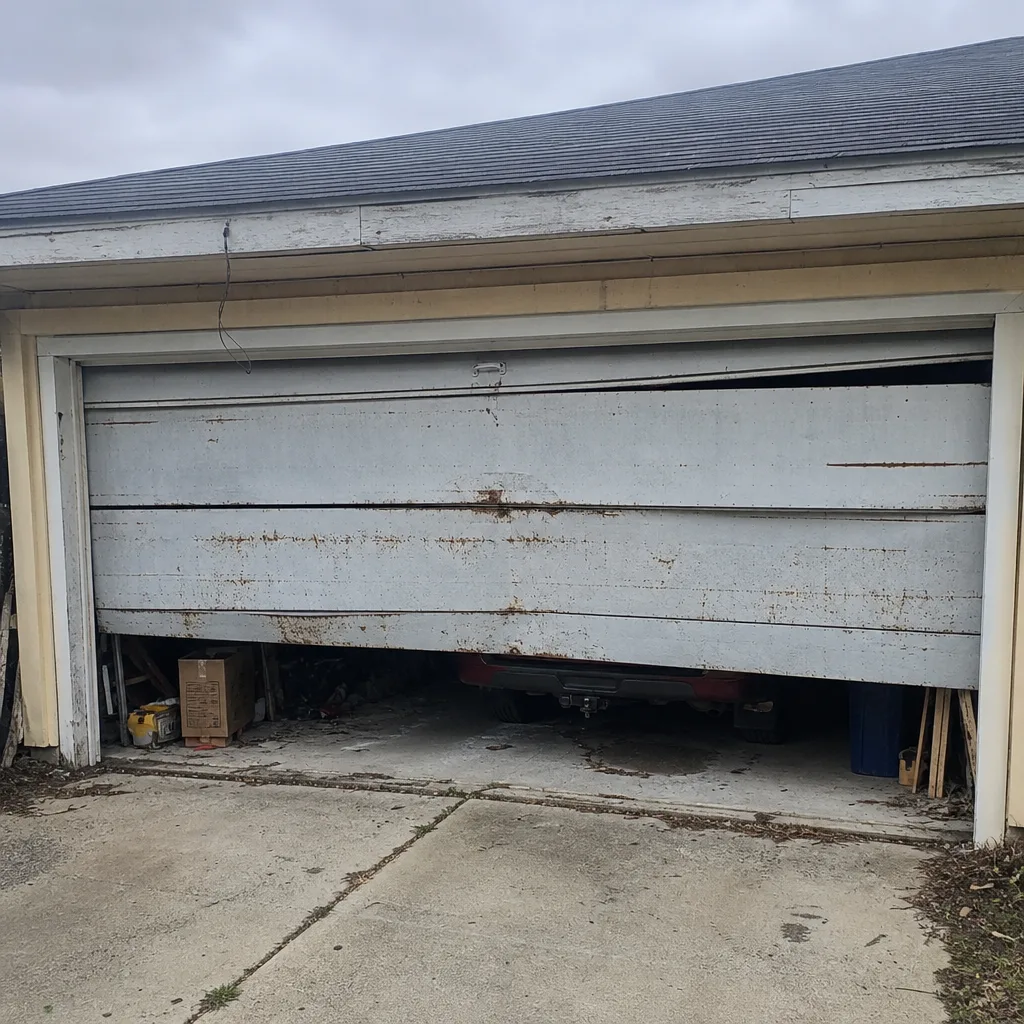 Before
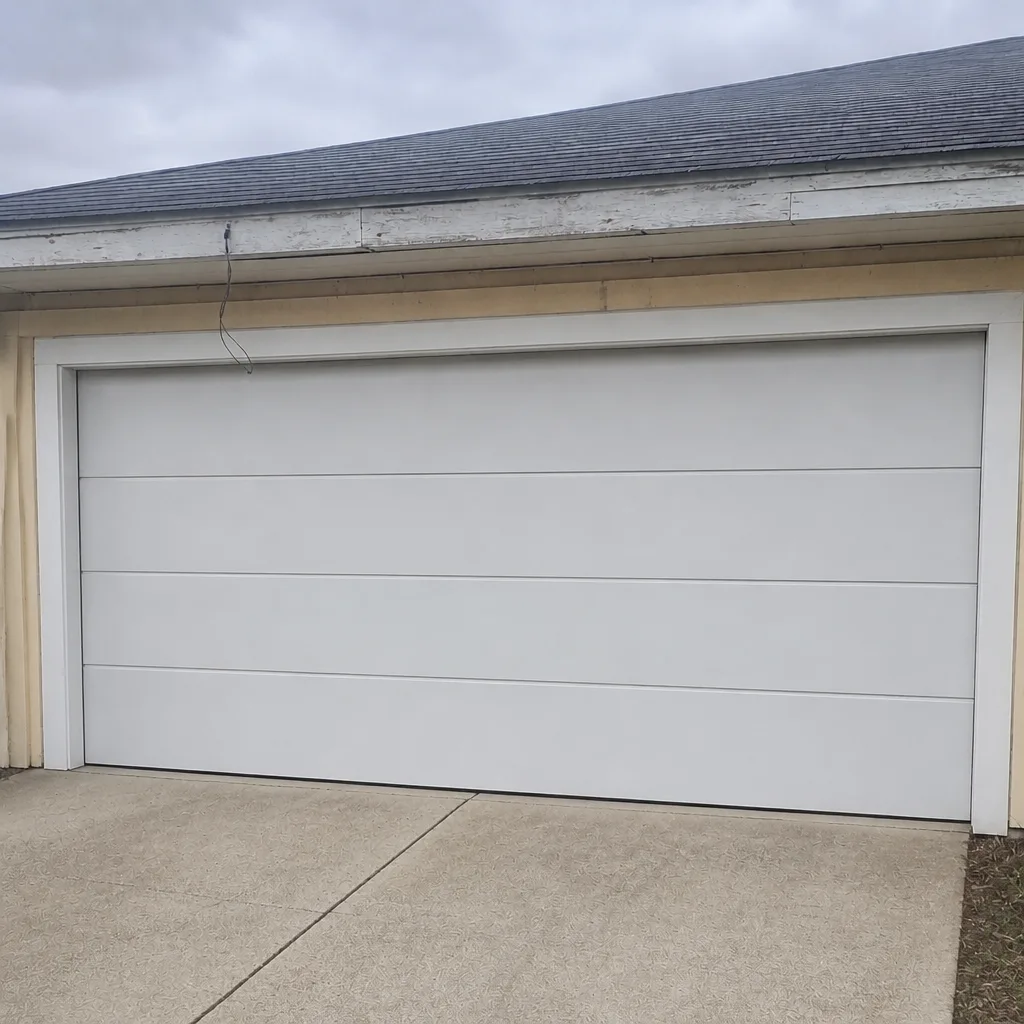 After
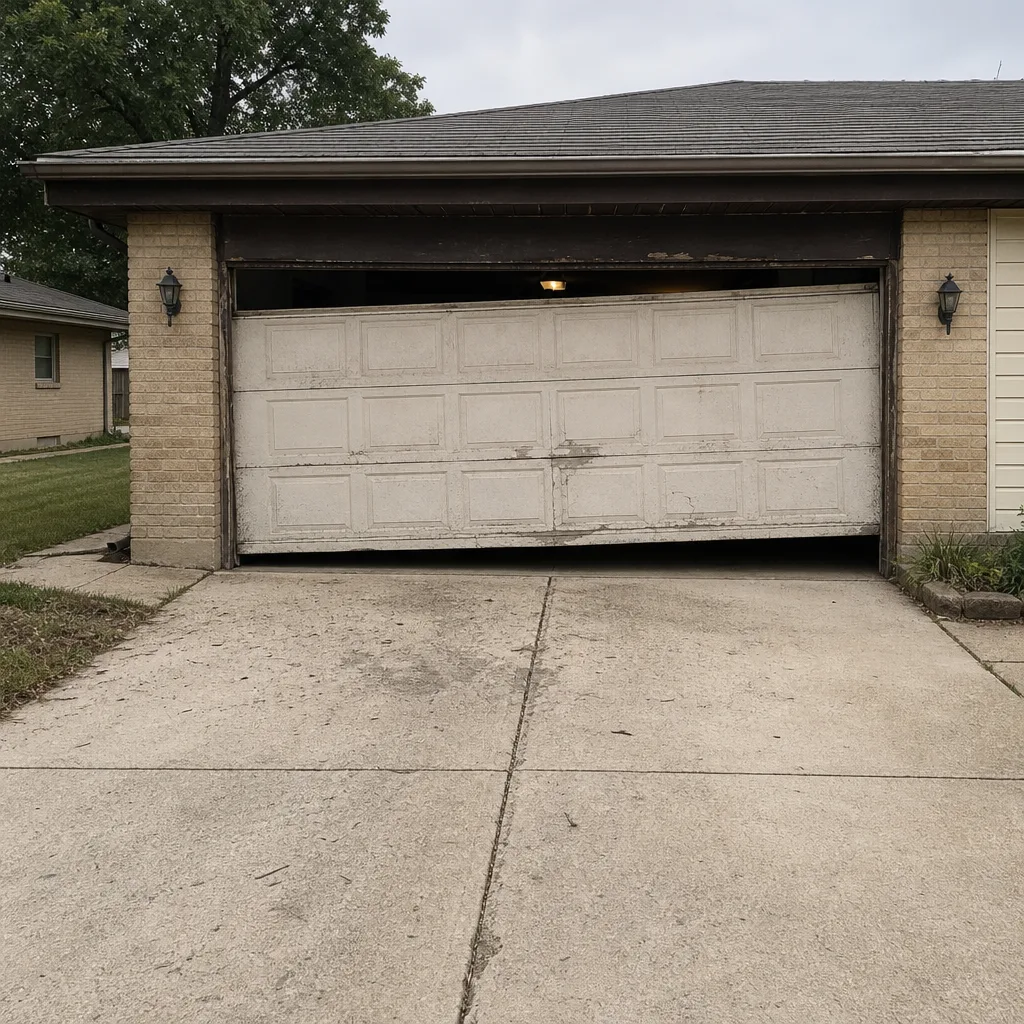 Before
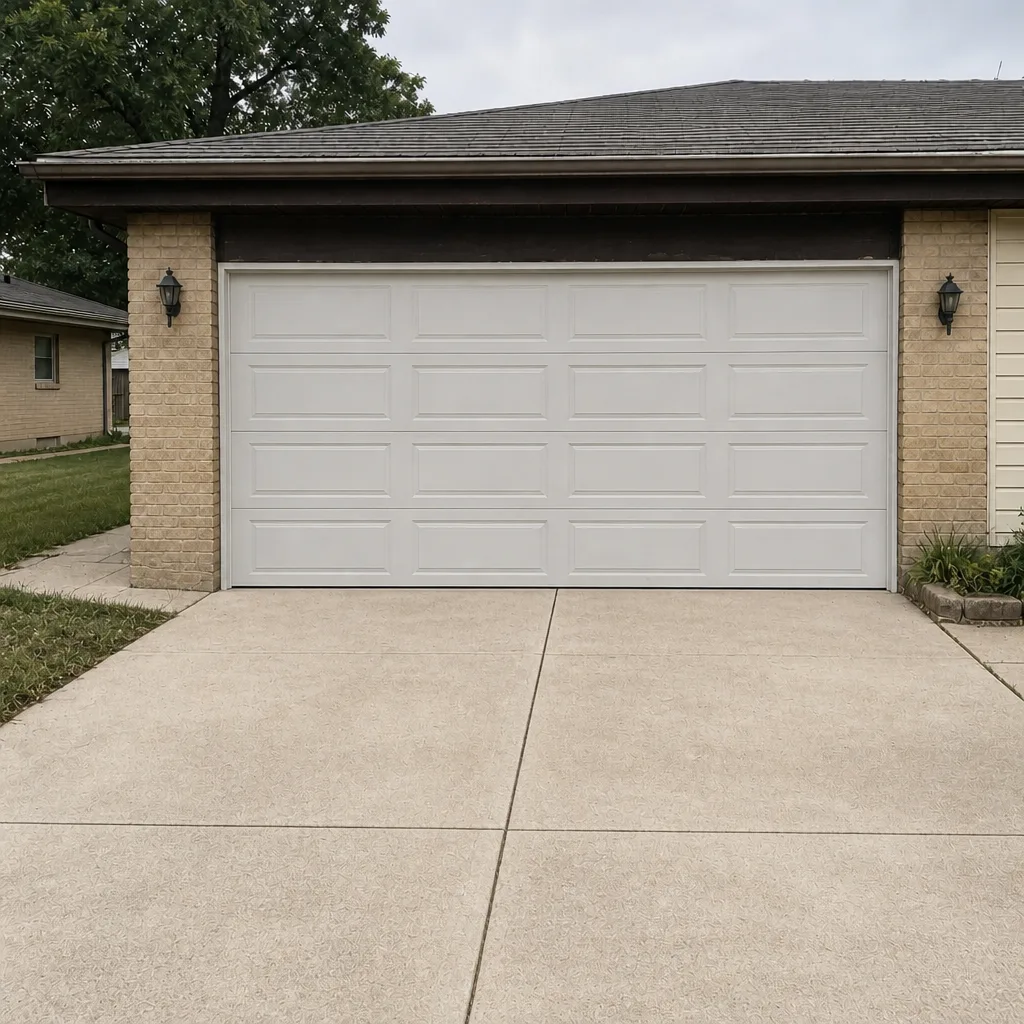 After
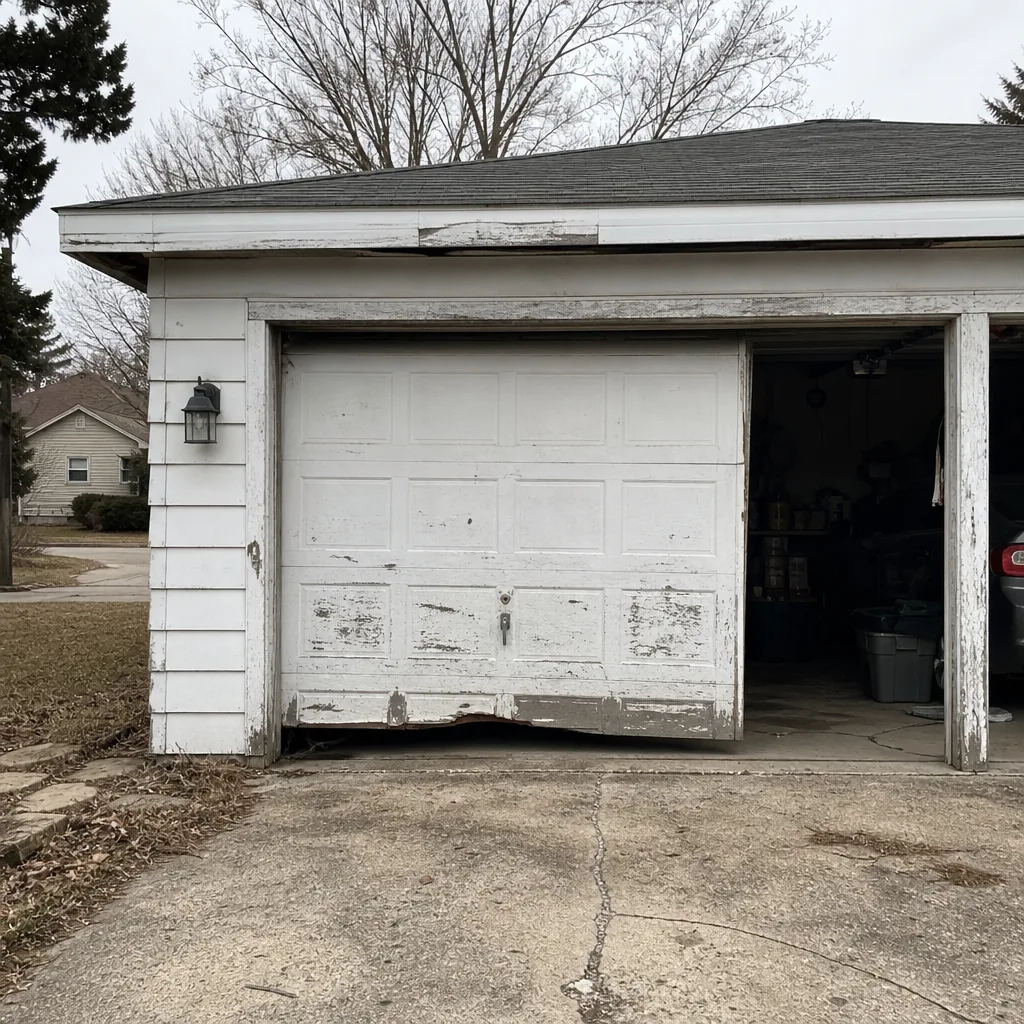 Before
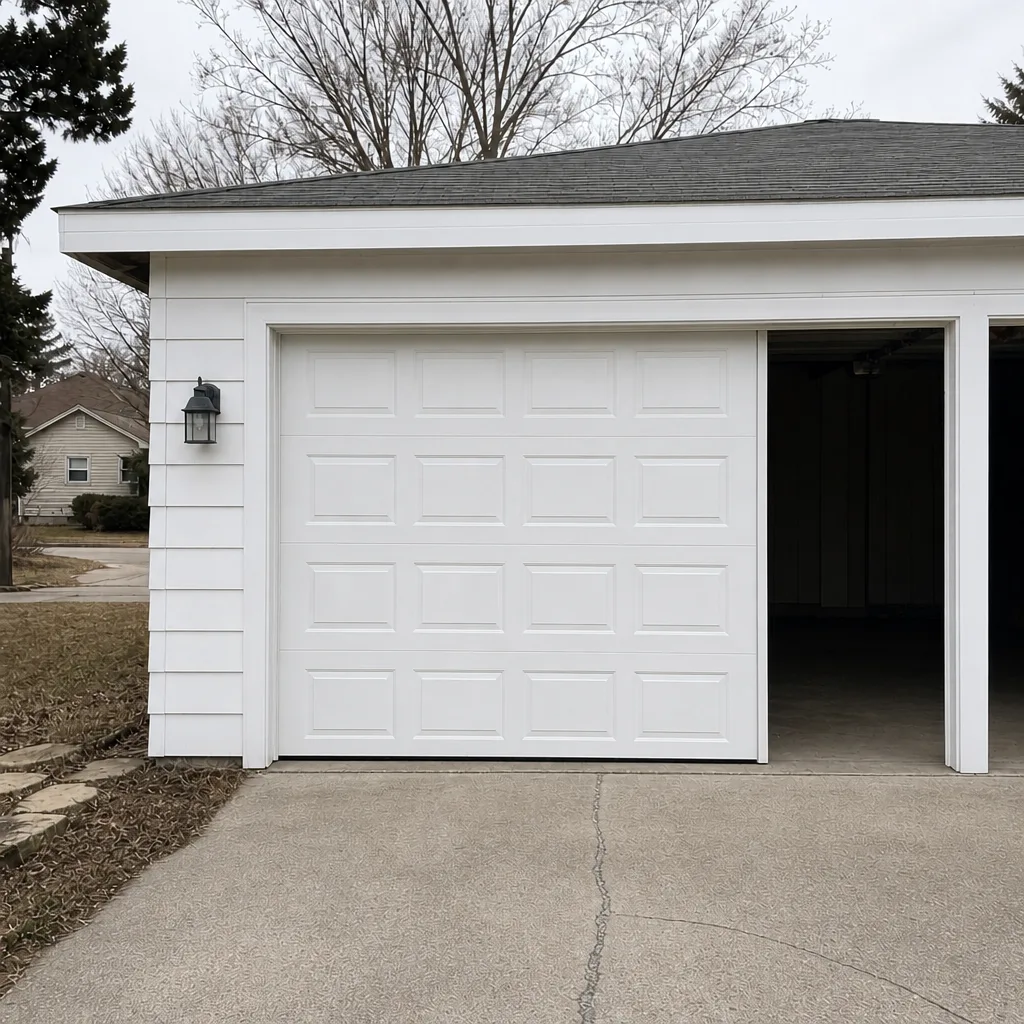 After
When to Call a Professional
Call a professional the moment any task moves into the “stored energy” category. That means: any spring, cable, drum, or bottom-bracket work, any full door or opener replacement, any door off its tracks, any bent track, and any balance problem you found during a post-winter reset. Also call if the door reverses inconsistently, the opener runs but the door doesn’t move, or the door has become noticeably heavier in the last year. None of those improve with time. Remington Garage Door Repair offers free estimates in Joliet, and a trained technician can tell you in a few minutes whether the door is a repair or a replacement. Call (888) 857-5215. We answer 24/7. Fast dispatch from 7am to 7pm, Sunday through Friday.
Frequently Asked Questions
No. Torsion spring replacement should always be done by a trained professional because the spring is under enough stored tension to cause serious injury, and the wrong spring size will fail early or damage the opener. The sizing calculation and the controlled release are both jobs for a specialist. If your spring has failed, keep the door closed, stop using the opener, and call (888) 857-5215 for a free estimate.
Most garage door repairs in the Joliet area start below $200 and a typical torsion spring replacement runs from about $180 to $340 for a single spring. A matched pair costs about twice that because both springs are replaced together. Openers, panels, and cable jobs are quoted individually. The written estimate sets the final price and is agreed before any work starts. Call (888) 857-5215 for an exact quote.
No, and we’d recommend against it. Force settings control how hard the door pushes before it reverses, and turning them up to “make the door close” masks a genuine balance or track problem while making the door’s safety reversal less effective. Leave force and travel-limit adjustments to a technician and call (888) 857-5215 if the door needs more force than it used to.
DIY maintenance is routine, low-energy work: lubricating hinges and rollers, cleaning tracks, aligning safety sensors, replacing weatherstripping, and testing the reversal. DIY repair means anything touching springs, cables, drums, or the door’s structural hardware. The first category is safe and worth doing; the second is where injuries and expensive secondary damage happen. Call (888) 857-5215 when a task crosses that line.
Not usually, as long as it stays in the maintenance category. Routine lubrication, seal replacement, sensor cleaning, and remote battery changes are normally expected. What typically complicates a warranty is unprofessional spring or cable replacement, changes to the opener’s internal settings, or any physical modification to the door’s hardware. If you’re unsure which side a task falls on, a free estimate call settles it. Call (888) 857-5215.
Freeze-thaw cycles through the winter shift how the door sits in its frame, dry out lubricant, and change the load on the spring system and tracks. A post-winter reset – clean and lubricate the tracks and rollers, verify sensor alignment, test the reversal, and check the balance – catches most of the drift before it turns into a repair. If the balance test fails (door won’t stay at halfway), the spring system needs a professional. Call (888) 857-5215 for a Joliet-area estimate.
The Bottom Line
The DIY vs professional question comes down to one filter: does the task involve stored mechanical energy? If it doesn’t, do it. Lubrication, sensor alignment, weatherstripping, and the post-winter Joliet reset are all safe, cheap, and worth doing well. If it does – springs, cables, drums, tracks after an impact, or the whole door – stop and call. The cost of a professional repair is predictable, and the cost of a failed DIY job on the wrong component is not. A free estimate takes five minutes and ends the guesswork.
Talk to a Specialist
If you’ve read this far and your garage door question isn’t fully answered, call us. We’re garage door specialists – 100% of our work is on doors and openers, and we service Clopay, Amarr, Wayne Dalton, Raynor, LiftMaster, Chamberlain, Genie, and Craftsman. Whether you need an honest read on a repair, a conversation about replacement, or a diagnosis on an opener that’s stopped behaving, one call covers the whole system: panels, springs, tracks, and opener. Call (888) 857-5215 for a free estimate. We answer 24/7. Fast dispatch from 7am to 7pm, Sunday through Friday. The price is set by the written estimate and agreed before any work starts.
Written by the team at Remington Garage Door Repair.