
Last updated November 15, 2026
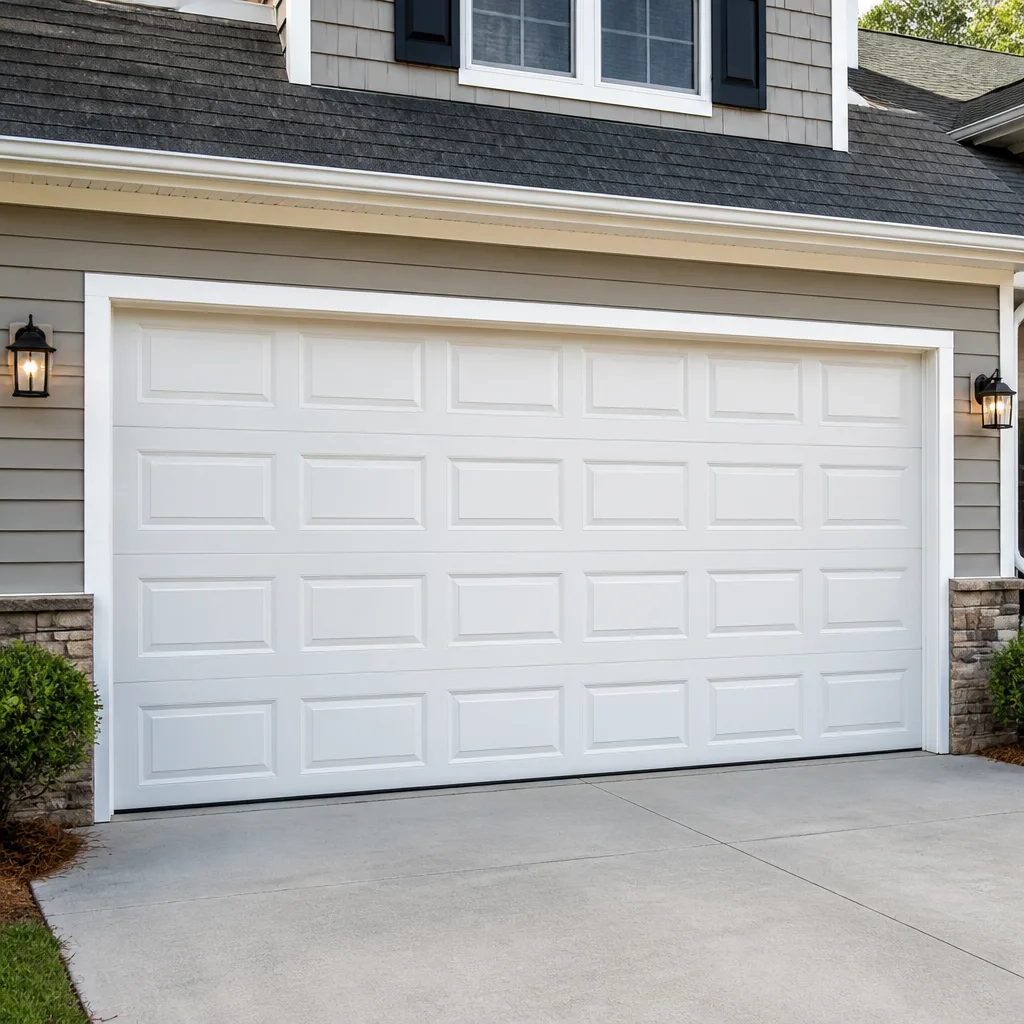 Raised-panel steel
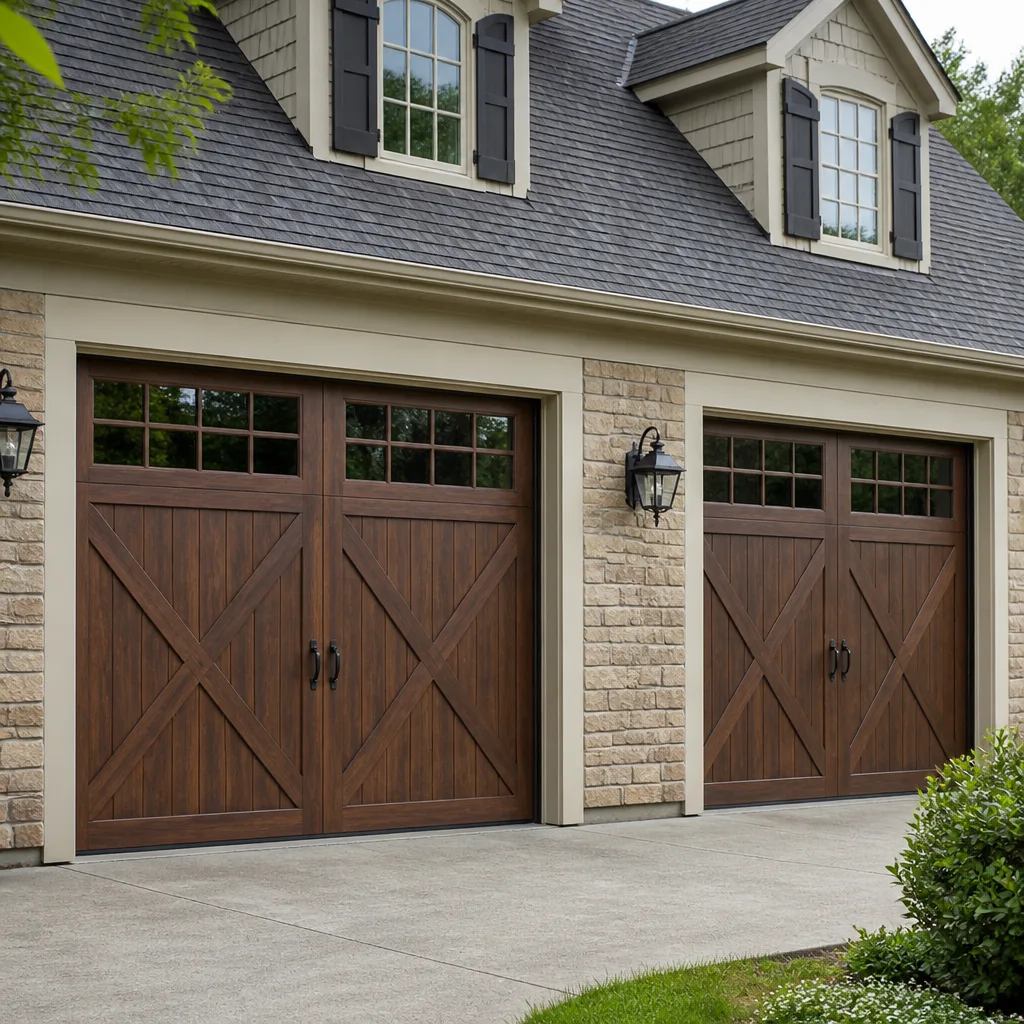 Carriage house
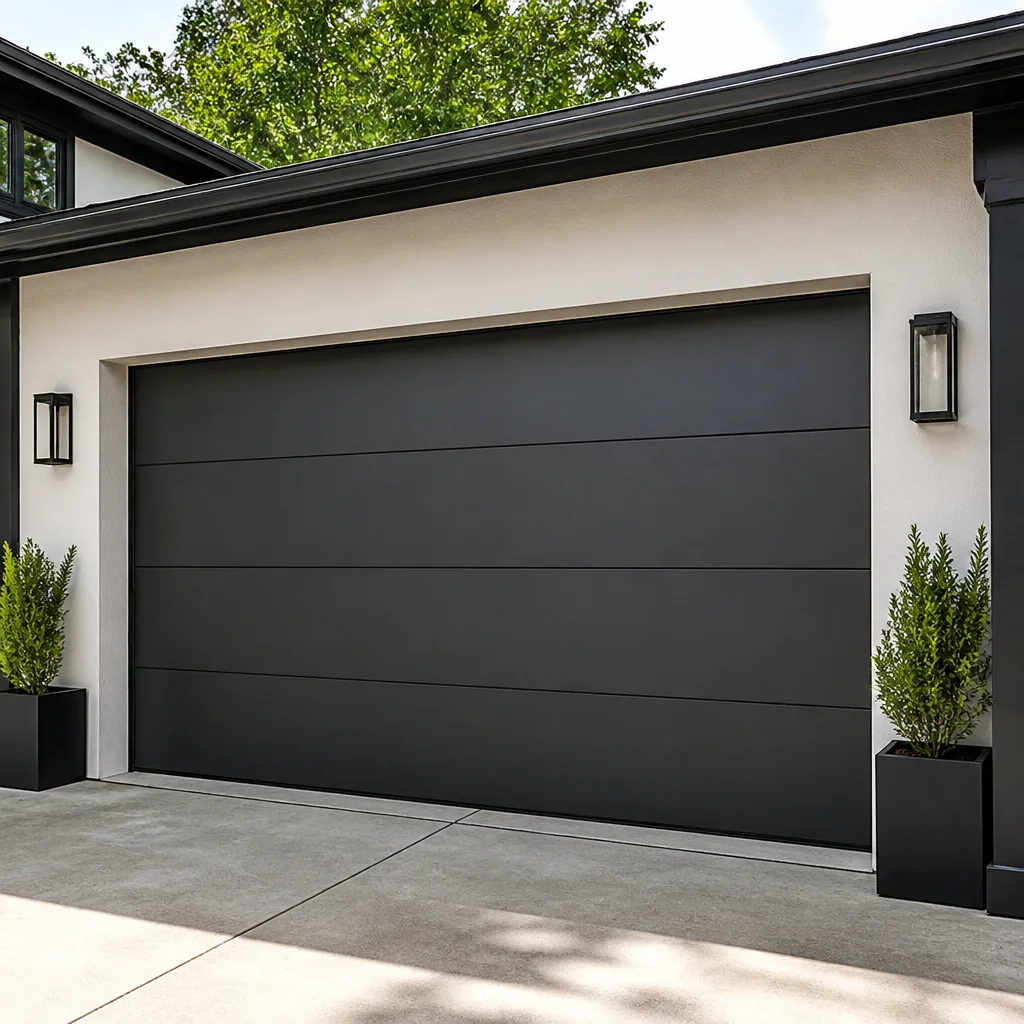 Modern flush
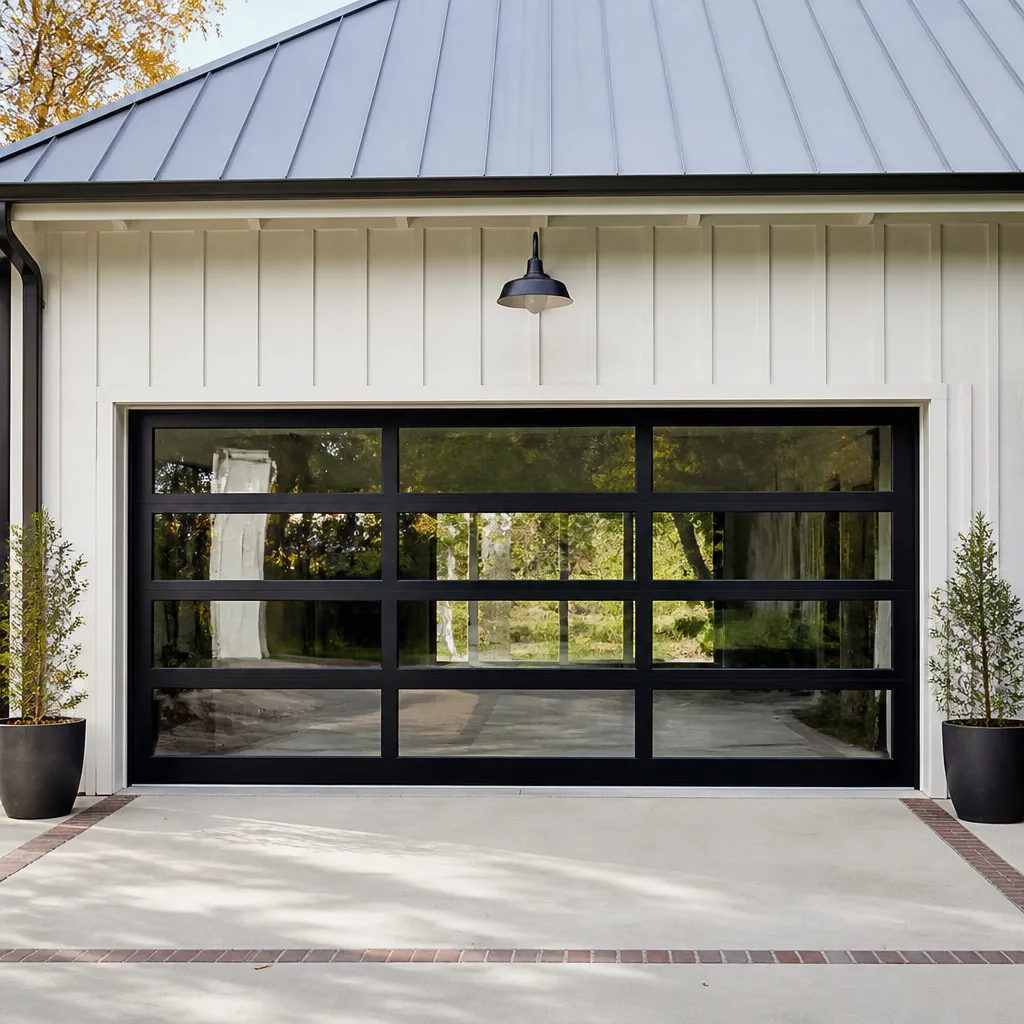 Full-view glass
 LiftMaster openers
 Chamberlain openers
Full 25-point door and opener safety check with every visit - springs, cables, rollers, tracks, and your LiftMaster or Chamberlain opener included
You get a price before we start. It does not change when the pro arrives.
Get your free estimateThe Complete Guide to Garage Doors in Joliet
Most garage door advice online is written for a generic American suburb. It assumes a house built in the last twenty years, a climate that stays mild, and an installer who carries one brand. Joliet doesn’t fit that template. This city has three very different generations of housing stock, a freeze-thaw cycle that punishes bottom seals and horizontal tracks in ways drier Midwest climates never do, and a local installer landscape where the wrong call can cost you money on parts you didn’t need. This guide is built around what actually happens to garage doors in Joliet, from the pre-war bungalows near the river to the newer subdivisions on the city’s edges. We’ll cover which problems show up first in each era of home, how the weather here stresses specific components, how to tell a fair quote from an upsell, and how to match a replacement door to this region’s wind and insulation needs without over-engineering a standard residential job.
Quick Answer
Garage doors in Joliet need different attention depending on when your house was built: pre-war homes usually run narrow single-car doors on aging openers, 1970s – 90s tract homes carry builder-grade double doors where springs and bottom seals fail first, and post-2000 subdivisions have wider, heavier insulated doors that demand stronger openers and more precise track alignment. The freeze-thaw cycle across Will County is the single biggest stressor on bottom seals and horizontal tracks, so those two components deserve annual inspection regardless of door age. Pick a specialist who knows your door and opener brand before they arrive, and read the written estimate before any work begins.
Styles & brands we work with
- Raised-panel steel
- Carriage house
- Modern flush
- Full-view glass
- LiftMaster openers
- Chamberlain openers
Table of Contents
- How Joliet’s Three Housing Eras Shape Your Garage Door Problems
- Why Will County’s Freeze-Thaw Cycle Hits Bottom Seals and Horizontal Tracks First
- Big-Box Installer vs. Multi-Brand Specialist: Which Is Right for Your Job?
- Common Upsell Traps in the Joliet Garage Door Market
- Matching a Replacement Door to Joliet’s Wind Load and Insulation Needs
- Brand Fluency Across Door and Opener Systems
- Repair or Replace? How to Decide
- A Practical Maintenance Routine for Joliet Homeowners
How Joliet’s Three Housing Eras Shape Your Garage Door Problems
Joliet’s housing stock falls into three broad eras, and each one comes with a default set of garage door issues. If you understand which era your home belongs to, you can predict what’s likely to fail and plan for it rather than react to it.
Pre-war bungalows
The older neighborhoods close to downtown Joliet and along the river corridors are full of pre-war bungalows and small two-story homes. Most of these were built with single-car garages, and many have been retrofitted over the decades. What you’ll typically find:
- Narrow single-car openings, often 8 or 9 feet wide
- Original or mid-century manual-lift doors converted to automatic openers at some point
- Legacy openers, frequently a Craftsman unit that’s been in place for years
- Wood or early steel panels with age-related warping or rust at the bottom edge
The opener is usually the first thing to go in these homes. A retrofit opener on an older door is working against a heavier, less balanced door, and the motor wears faster as a result. Tracks in pre-war garages also tend to be mounted to older framing that has settled, which throws alignment off over time. If you own a bungalow in Joliet and your door is grinding or reversing for no clear reason, start by looking at the opener and the balance of the door itself before assuming the panels are the problem.
1970s – 90s tract homes
The middle generation of Joliet housing is the builder-grade tract home, and it’s the largest single category in the city. These homes almost universally came with a standard double-car garage and a builder-installed steel door. The components that fail first here are predictable:
- Torsion or extension springs that reach the end of their cycle life
- Bottom seals that harden and crack from repeated freeze-thaw
- Builder-grade openers running at the edge of their capacity for a heavier door
- Nylon or steel rollers that wear flat and cause the door to run rough
If your house was built in this window and the garage door has never had major service, you’re likely due for spring replacement and a seal refresh. These are normal wear items, not signs of a bad door. The trap is replacing the whole door when the panels are still sound and only the hardware has aged out.
Post-2000 subdivisions
The newer subdivisions on Joliet’s edges were built with wider, taller, and much heavier insulated doors. A standard two-car door in these homes is often 16 feet wide and fully insulated, which puts real demand on the opener. What breaks first:
- Openers that were undersized for the door from day one
- Smart opener modules that lose Wi-Fi connection or firmware sync
- Heavier springs under more load, wearing faster than the builder expected
- Track alignment issues as the wider door torques the horizontal rails
In these homes, the door itself usually holds up well. The weak point is the opener and the spring system carrying the extra weight. When a newer Joliet door starts reversing or the opener strains, the fix is often an opener upgrade or a spring rated for the actual door weight, not a full replacement.
Why Will County’s Freeze-Thaw Cycle Hits Bottom Seals and Horizontal Tracks First
Will County sits in a climate band where winter temperatures swing above and below freezing repeatedly through the season. That cycle, more than raw cold, is what damages garage doors. A drier, consistently cold climate is actually gentler on certain components because the freeze is stable. Here, the ground and the door are constantly thawing and refreezing, and the garage structure moves with it.
Bottom seals
The bottom seal on your garage door is the rubber or vinyl strip along the lower edge. In a freeze-thaw climate it takes the worst of it: it sits against concrete that heaves and settles, it gets wet and freezes, and it flexes every time the door closes. Over a couple of winters the seal hardens, cracks, and stops making contact with the floor. Once that happens you get drafts, water intrusion, and small animals finding their way in. A hardened seal also puts uneven pressure on the door as it closes, which stresses the opener. Replacing a bottom seal is one of the least expensive maintenance items on a garage door, and in Joliet it’s worth checking every fall before the first hard freeze.
Horizontal tracks
The horizontal tracks carry the door back into the garage along the ceiling. Because they’re mounted to framing that moves with the freeze-thaw cycle, they slowly go out of alignment. The symptom is a door that binds, jerks, or runs louder than it used to. Left alone, misaligned tracks wear the rollers and put lateral stress on the opener. A track adjustment is a quick service call, but it’s the kind of thing homeowners put off until the door stops working entirely. If your door has started to run rough after a winter in Joliet, the tracks are the first thing a specialist should check.
What makes this different from a drier climate
In a drier Midwest climate the freeze is stable and the ground doesn’t heave as much. Here in the Joliet area, the repeated thaw means moisture works into every gap and then expands. That’s why bottom seals and tracks fail here sooner than the same components would in, say, western Kansas. It’s also why we recommend inspecting those two items on a seasonal schedule rather than waiting for a problem.
Big-Box Installer vs. Multi-Brand Specialist: Which Is Right for Your Job?
This is the decision Joliet homeowners get wrong most often, and it’s not because one option is bad. It’s because they’re built for different jobs, and the wrong choice costs you either money or time. Here’s the honest breakdown.
What a big-box installer offers
- A narrow brand selection, usually one or two manufacturers they carry
- Standardized install packages priced for volume
- A defined process that’s efficient for a straightforward new install
- Limited flexibility when your situation doesn’t fit the standard package
If you’re building new construction in a Joliet subdivision and want a standard door installed to a builder’s spec, a big-box installer can be a perfectly reasonable call. The job is predictable, the door is standard, and the process is designed for exactly that scenario.
What a multi-brand specialist offers
- Fluency across multiple door and opener brands, so your specific system is familiar
- Repair and installation handled under one company, including the opener
- Pattern recognition from doing only garage doors, which speeds diagnosis
- An honest repair-or-replace recommendation based on the door’s condition
A specialist earns their value when your door or opener doesn’t match the standard install template. If your Joliet home has a legacy Craftsman opener, a Wayne Dalton door with proprietary hardware, or a retrofit situation, a technician who has already worked on that system arrives knowing what to check. That pattern recognition is hard to replicate when garage doors are one item on a long list of general repairs. Fewer callbacks, faster diagnosis, and a recommendation that isn’t tied to a single brand’s inventory.
When to pick which
- New construction, standard door, builder spec: either can work; compare the written quote.
- Existing door repair on a named brand: choose a specialist fluent in that brand.
- Opener failure or smart-opener issue: choose a specialist who services the opener ecosystem, not just doors.
- Repair-or-replace decision: choose a specialist who can give you both options honestly.
- Unusual door size or legacy hardware: a multi-brand specialist is the safer call.
Common Upsell Traps in the Joliet Garage Door Market
Most garage door companies are honest, but the market has patterns worth knowing. These are the upsells Joliet homeowners run into most often, and how to spot them before you sign anything.
“Lifetime” springs
Springs are wear items. They’re rated by cycle count, which is the number of open-close cycles they can be expected to survive. A spring marketed as “lifetime” is usually just a higher-cycle spring with a premium price tag. That can be a fair upgrade if you plan to stay in the home and want to defer the next spring replacement, but it’s not magic, and it shouldn’t be presented as never needing replacement. Ask what the cycle rating is and compare it to a standard spring. If the salesperson can’t or won’t give you the number, that’s your answer.
Overpriced smart opener add-ons
Smart openers and Wi-Fi modules are genuinely useful, and if you have a LiftMaster or Chamberlain system with myQ, adding app control can be a real convenience upgrade. The trap is paying a marked-up package price for a module that shouldn’t cost much, or being sold a smart upgrade when your actual problem is a failing sensor or a worn gear. A smart opener won’t fix a door that’s binding. The right sequence is diagnose the actual fault first, then decide if a smart upgrade makes sense on top.
Full replacement when repair is enough
This is the biggest one. A door with sound panels and a failed spring does not need replacing. Neither does a door with a worn bottom seal. If a quote jumps to full replacement without walking you through why the panels themselves are compromised, ask for the specific reason. In our experience with Joliet housing stock, the majority of “replacement” calls are really spring, opener, or hardware jobs on doors that have plenty of life left.
Pressure upgrades on standard residential installs
When you’re actually replacing a door, it’s easy to be pushed toward commercial-grade reinforcement, high-cycle springs, and oversized openers for a standard two-car residential garage. Some of that matters for a heavy insulated door and some of it doesn’t. We cover the right-sizing question in the next section, but the shorthand is: match the hardware to the door’s actual weight and to this region’s wind requirements, and don’t pay for capacity your door will never need.
Matching a Replacement Door to Joliet’s Wind Load and Insulation Needs
If you’re replacing a garage door in Joliet, two questions drive the spec: how much wind load does the door need to handle, and how much insulation does your garage actually need? Getting these right means a door that performs without over-engineering the job.
Wind load
Garage doors in this region need to be rated for the wind loads the local building code expects for your home’s location and exposure. The practical way to handle this is to have the door specified to the code requirement for your address, which your city’s building department can confirm, and to make sure the installer’s written quote states the wind rating of the door they’re proposing. A standard residential door rated appropriately for the region is usually sufficient. What you want to avoid is a door specified below the code requirement, or a salesperson adding commercial-grade reinforcement you don’t need for a standard home.
Insulation
Insulation matters most if the garage is attached and you care about the temperature of the rooms above or beside it, or if you use the garage as workspace. A fully insulated door helps moderate that space. If your garage is detached and unheated, a non-insulated or lightly insulated door is often the honest choice, and paying for full insulation adds cost without changing much. Ask what the door’s insulation value is and whether it fits how you use the space.
How to right-size the install
- Confirm the code wind-load requirement for your address with the building department.
- Decide whether your garage is conditioned, attached, or a workspace.
- Match insulation to that use, not to the highest available option.
- Match the opener to the door’s actual weight, with a little headroom, not commercial capacity.
- Get the wind rating and insulation value written into the quote.
Done this way, a standard residential install in Joliet performs the way it should without a padded invoice. If you’d like a second opinion on a quote, we’re glad to review it. That’s what garage door repair specialists are for, and often it saves more than it costs.
Brand Fluency Across Door and Opener Systems
Garage doors are a system, not a single part. The panels, springs, tracks, and opener all interact, and knowing the brand of each matters because the failure patterns differ. We service equipment from eight major door and opener brands: LiftMaster, Chamberlain, Genie, Clopay, Amarr, Wayne Dalton, Craftsman, and Raynor. That fluency means a technician arrives already familiar with your specific system rather than figuring it out on the job.
Opener systems
On the opener side, LiftMaster and Chamberlain (which share a lot of engineering, including the myQ smart ecosystem) and Genie and Craftsman cover the vast majority of what we see across Joliet. Craftsman openers are common in the older tract homes, and legacy units still in service need a technician who knows the older parts and doesn’t try to sell a full replacement when a repair will do. Newer myQ-enabled systems need someone comfortable with the app pairing and sensor logic, not just the motor.
Door manufacturers
On the door side, Clopay, Amarr, Wayne Dalton, and Raynor cover steel, composite, and specialty doors. Wayne Dalton in particular uses some proprietary hardware, so brand familiarity saves time on diagnosis. Whether your door is a standard steel panel or a specialty composite, the right technician knows the panel construction and the hardware that goes with it. For more on the specific repair side, see our garage door opener repair page.
Why single-trade focus matters
Garage doors are all we do. That means every service call is handled by someone whose entire trade is doors and openers. Pattern recognition builds faster when every day is the same category of work. A generalist who works on plumbing, HVAC, and garage doors sees fewer door failures per month, and diagnosis becomes trial-and-error. A single-trade specialist has seen your failure mode before. That’s the difference between a fast fix and a callback.
Repair or Replace? How to Decide
The honest answer usually comes down to whether the door’s structure is sound. If the panels are intact and the tracks and hardware are serviceable, repair is the right call. If the panels are warped, rusted through, or the door is a legacy system with hard-to-source parts, replacement starts to make sense. Here’s how to think it through.
Lean toward repair when:
- The panels are intact and the door looks structurally sound
- The failure is a spring, opener, sensor, roller, or seal
- The door is fewer than roughly fifteen to twenty years old and well maintained
- Parts are available for your brand and model
Lean toward replacement when:
- Panels are warped, cracked, or rusted through at the bottom
- The door is a legacy size or system where parts are hard to source
- You want to add insulation and your current door is uninsulated
- Multiple major components are failing at once and the cost adds up to a replacement
The key is an honest recommendation, based on your door’s condition rather than a sales target. If you’re in the Joliet area and aren’t sure which side of this line you’re on, a specialist can tell you quickly by looking at the door and the opener together. We’re Remington Garage Door Repair, and repair or replace, you’ll get a straight answer.
A Practical Maintenance Routine for Joliet Homeowners
Garage doors don’t need much, but the few things they do need matter more here because of the freeze-thaw cycle. A short seasonal routine keeps bottom seals and tracks ahead of the failure curve.
- Before the first freeze, inspect the bottom seal. Look for hardening, cracking, or gaps against the floor. Replace if it’s past its prime.
- Test the door’s balance every few months. If it doesn’t hold roughly halfway open, the springs or opener are working harder than they should.
- Watch the horizontal tracks after each winter. Rough running, jerking, or new noise means an alignment check.
- Lubricate hinges and rollers with a garage-door-appropriate lubricant. Avoid heavy grease that traps grit.
- Test the safety sensors monthly. Put an object in the door’s path and confirm it reverses. Replace sensors that won’t stay aligned.
- Listen for changes. A door that’s getting louder usually has a worn roller or a misaligned track.
That’s a weekend-hour routine twice a year. It won’t replace professional service, but it catches the predictable issues before they become expensive ones.
Common Mistakes to Avoid
- Treating every door like it’s from the same era. A pre-war bungalow and a post-2000 subdivision have different default problems. Applying generic advice to your specific Joliet home leads to the wrong fix.
- Ignoring the bottom seal until it fails. In this climate the seal is the most beat-up component on the door. Checking it before the freeze catches the problem early.
- Paying for “lifetime” springs without a cycle rating. Ask for the actual cycle count so you can compare it to a standard spring. No number, no sale.
- Buying a smart opener to fix a mechanical problem. If the door binds or reverses, the opener isn’t the fault. Diagnose first, then upgrade if it makes sense.
- Replacing a full door when the panels are sound. Springs, openers, and seals are wear items. A failed spring does not mean a failed door.
- Over-engineering a standard residential install. Match wind rating and insulation to your actual code requirement and how you use the garage, not to commercial capacity.
- Accepting a verbal price. The written estimate sets the price before work starts. No written quote, no commitment.
See the difference
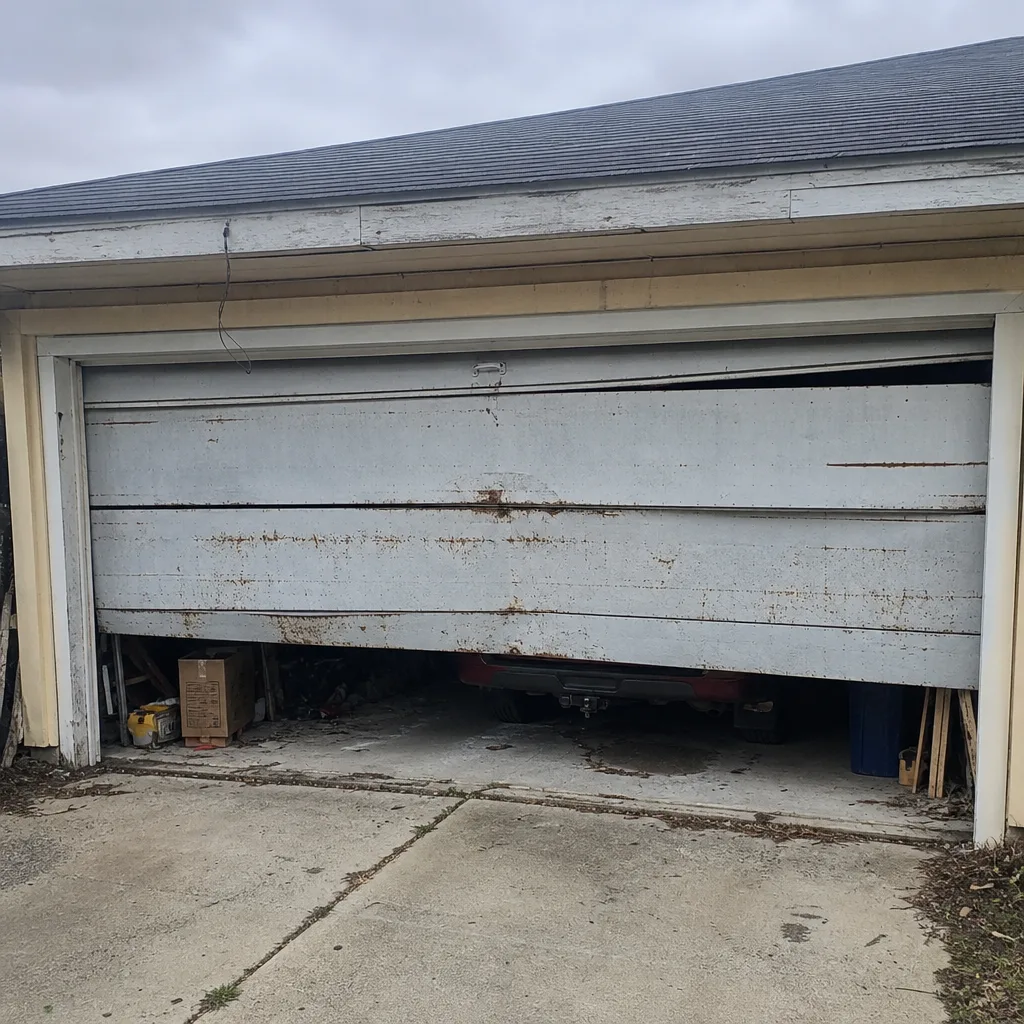 Before
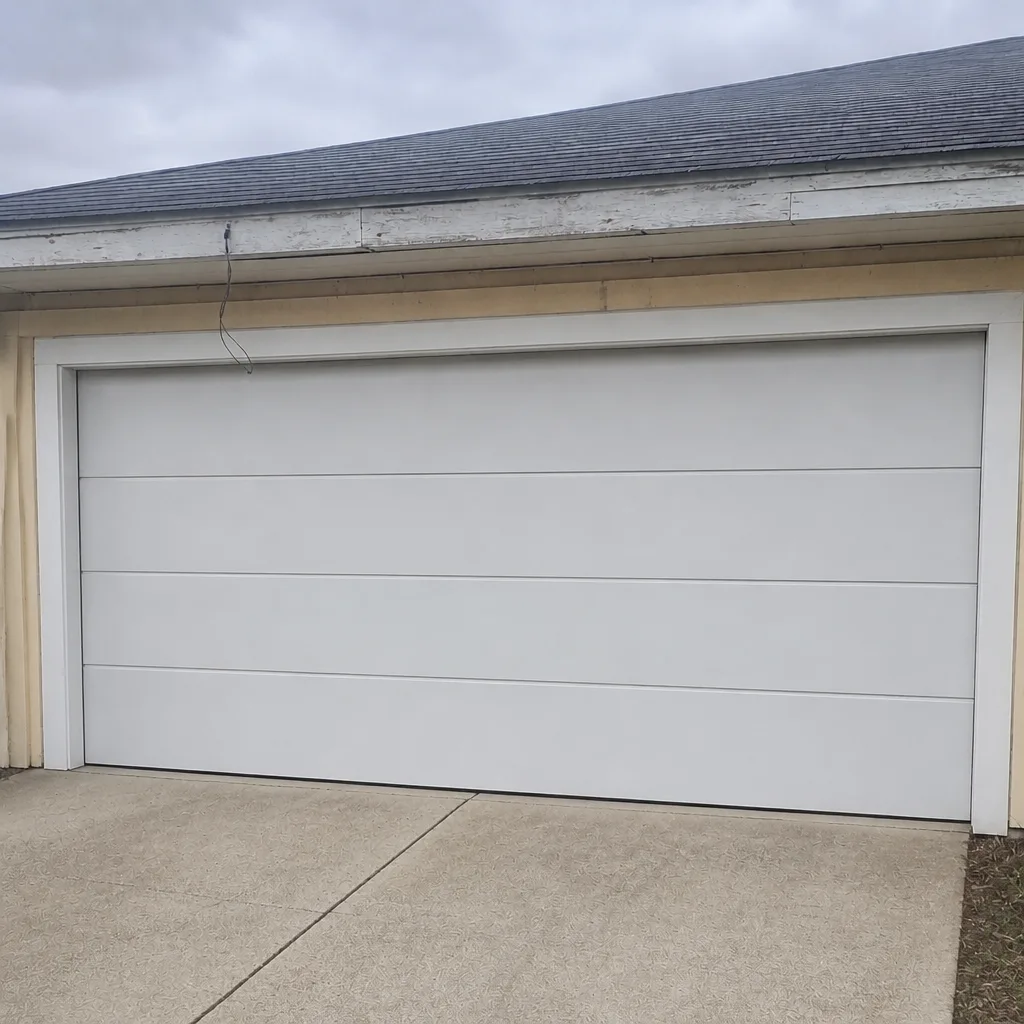 After
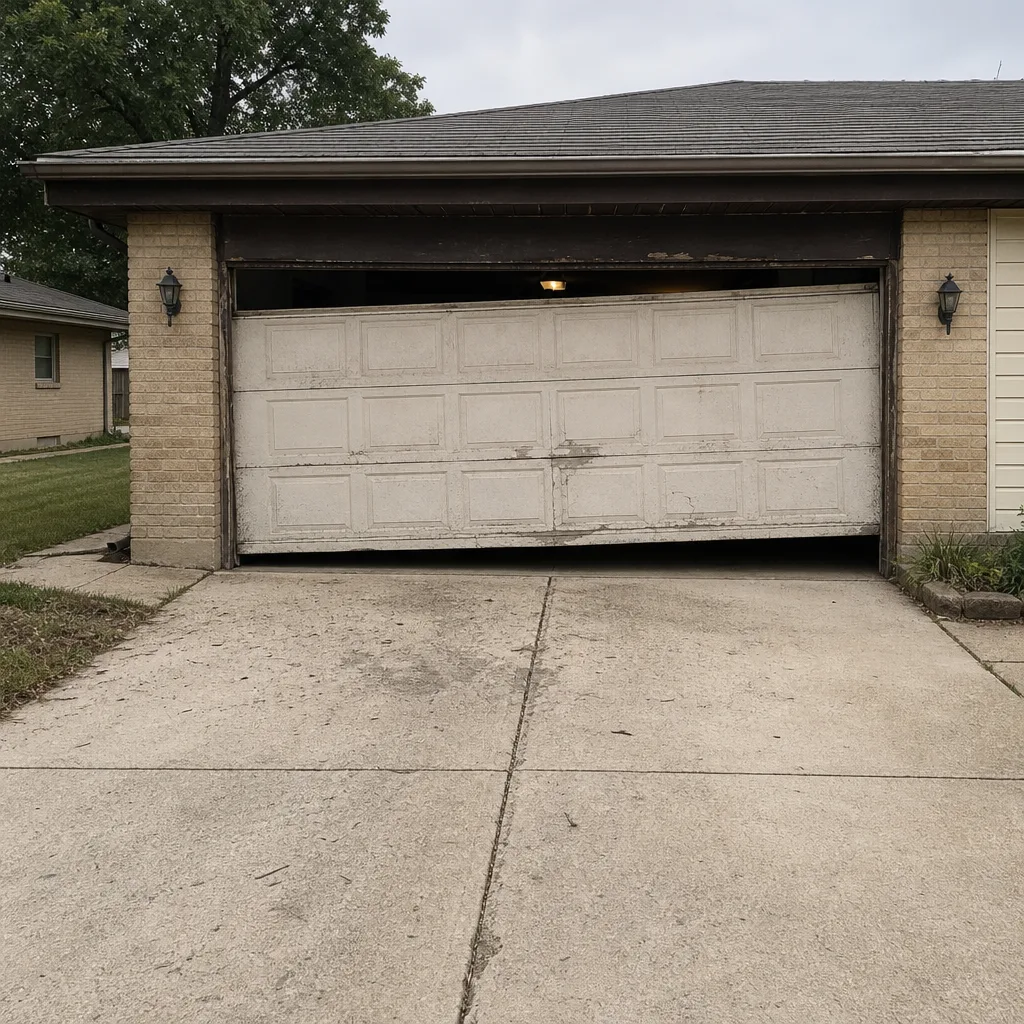 Before
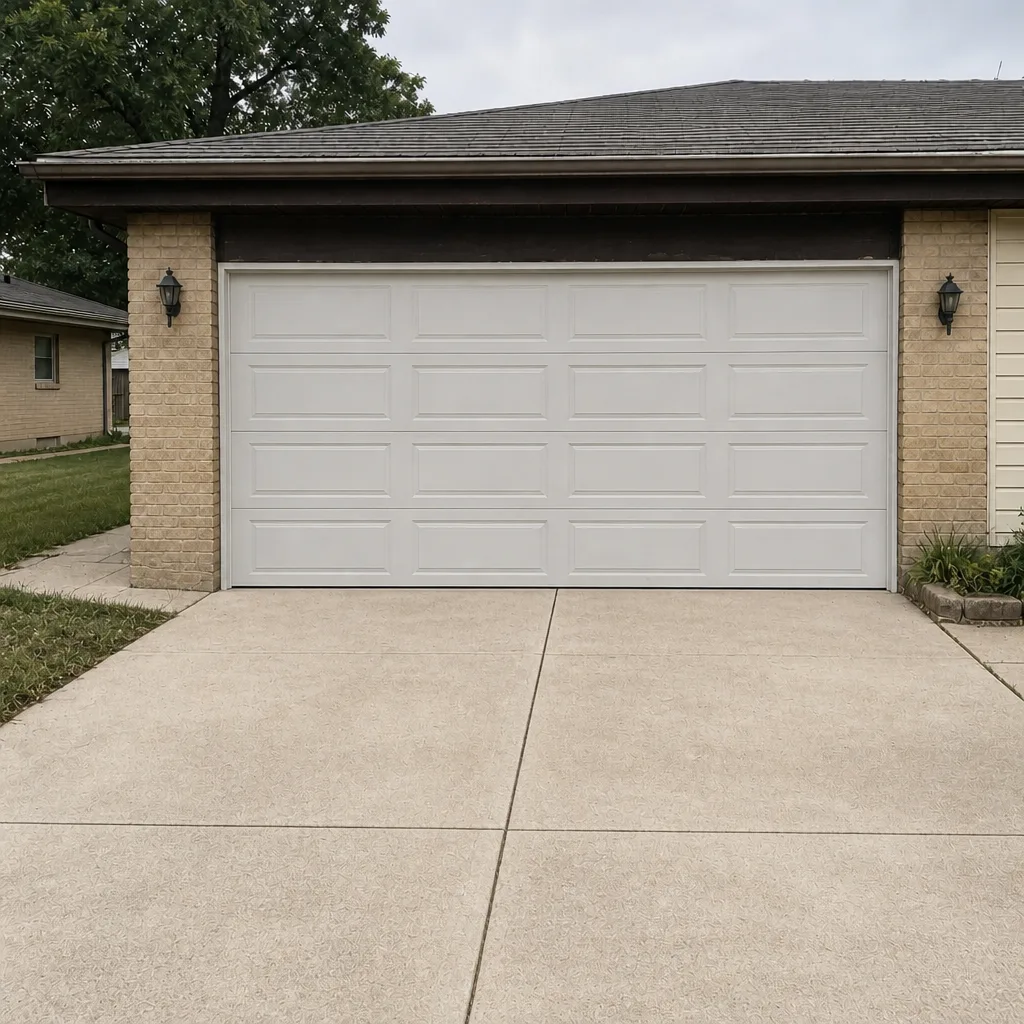 After
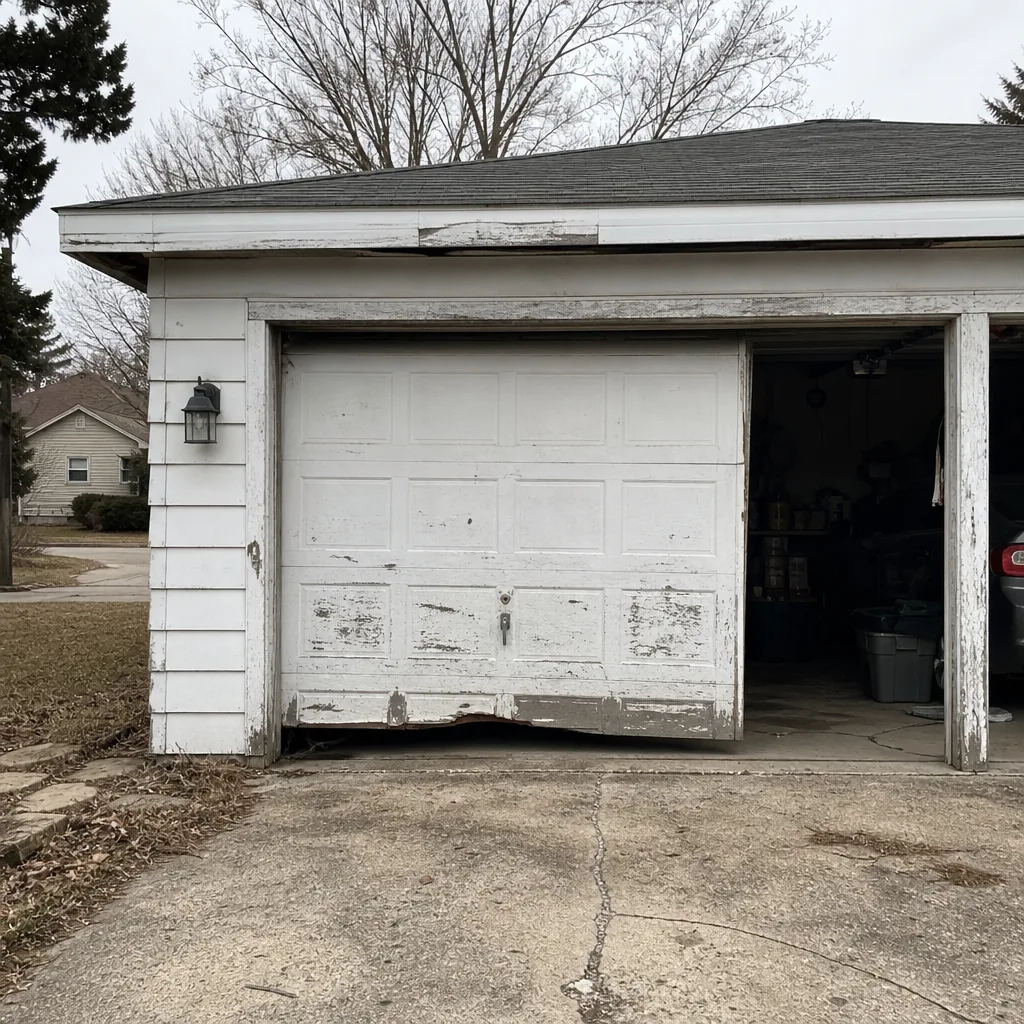 Before
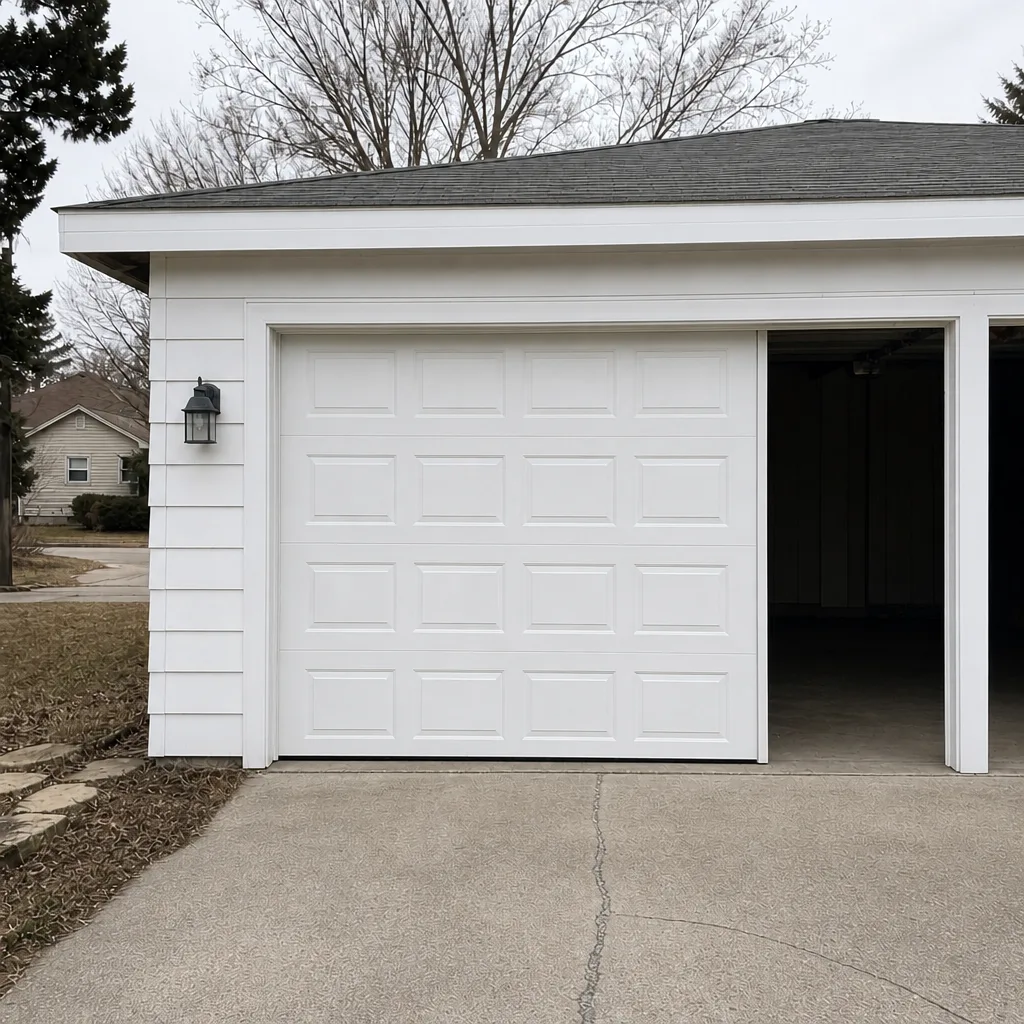 After
When to Call a Professional
Some garage door work is genuinely a professional call, not a DIY project. The springs and cables that carry the door’s weight are under high tension and can cause serious injury if released incorrectly, so anything involving them should go to a trained technician. Electrical work on the opener and any live wiring also belongs with a professional. Beyond safety, call us when your door reverses without an obvious cause, when the opener strains or stalls, when tracks are visibly bent, when a panel is cracked or the door is sagging at one corner, or when you notice a bottom seal that’s gone hard and lost contact with the floor. Spring, cable, and opener wiring issues are exactly the kind of thing a specialist should handle. Remington Garage Door Repair offers free estimates in Joliet. Call (888) 857-5215. We answer 24/7. Fast dispatch from 7am to 7pm, Sunday through Friday.
Frequently Asked Questions
Typical repairs in the Joliet market run in a range that depends on the component: spring replacement on one spring is usually the largest single line item, opener repairs and sensor or roller work are lower, and a bottom seal refresh is on the low end of the scale. The written estimate sets the exact price before any work starts, and it’s free. Call (888) 857-5215 for an exact quote. A matched pair of springs is usually replaced together, so a pair costs about twice the price of one.
We do same-day service on repair calls when the schedule allows, and we answer the phone 24/7. Fast dispatch runs from 7am to 7pm, Sunday through Friday. If you call outside those hours, the job gets booked into the next opening. Call (888) 857-5215 and we’ll find you a slot.
No. The price is quoted and agreed before any work starts, and the written estimate is the price. If we get on site and find something that changes the scope, we’ll show you what we found and confirm the new price before touching anything. No surprises on the invoice. Call (888) 857-5215 for a free estimate.
Yes, the technicians who perform the work are licensed and insured, and they are specialists whose trade is garage doors and openers rather than general handymen. That specialist focus means faster diagnosis and fewer callbacks. Call (888) 857-5215 to book an estimate.
Not necessarily. On 1970s tract homes in Joliet the opener is often the first thing to fail, but the door itself may still be structurally sound. We diagnose the door and the opener together and repair what’s serviceable, replacing only what’s actually worn out. That’s the honest call, and it usually costs less than a full replacement.
Yes. We service LiftMaster, Chamberlain, Genie, Clopay, Amarr, Wayne Dalton, Craftsman, and Raynor, covering both modern smart openers like myQ-enabled systems and legacy units still in use across Joliet homes. Knowing the brand in advance means the technician already knows what to look for. Call (888) 857-5215 to confirm your system.
The Bottom Line
Garage doors in Joliet don’t fail at random. The era your home was built in predicts which components wear out first, and the Will County freeze-thaw cycle puts bottom seals and horizontal tracks at the front of the line. Pick a specialist who knows your specific door and opener brand, read the written estimate before any work begins, and be skeptical of “lifetime” springs and oversized smart-opener packages. Repair is often the right call when the panels are sound. When you’re ready for a straight answer on your door, we’re here. We serve homeowners across Joliet and the surrounding area, and a free estimate is one call away at (888) 857-5215. We answer 24/7. Fast dispatch from 7am to 7pm, Sunday through Friday.
Written by the team at Remington Garage Door Repair.