
Last updated November 15, 2026
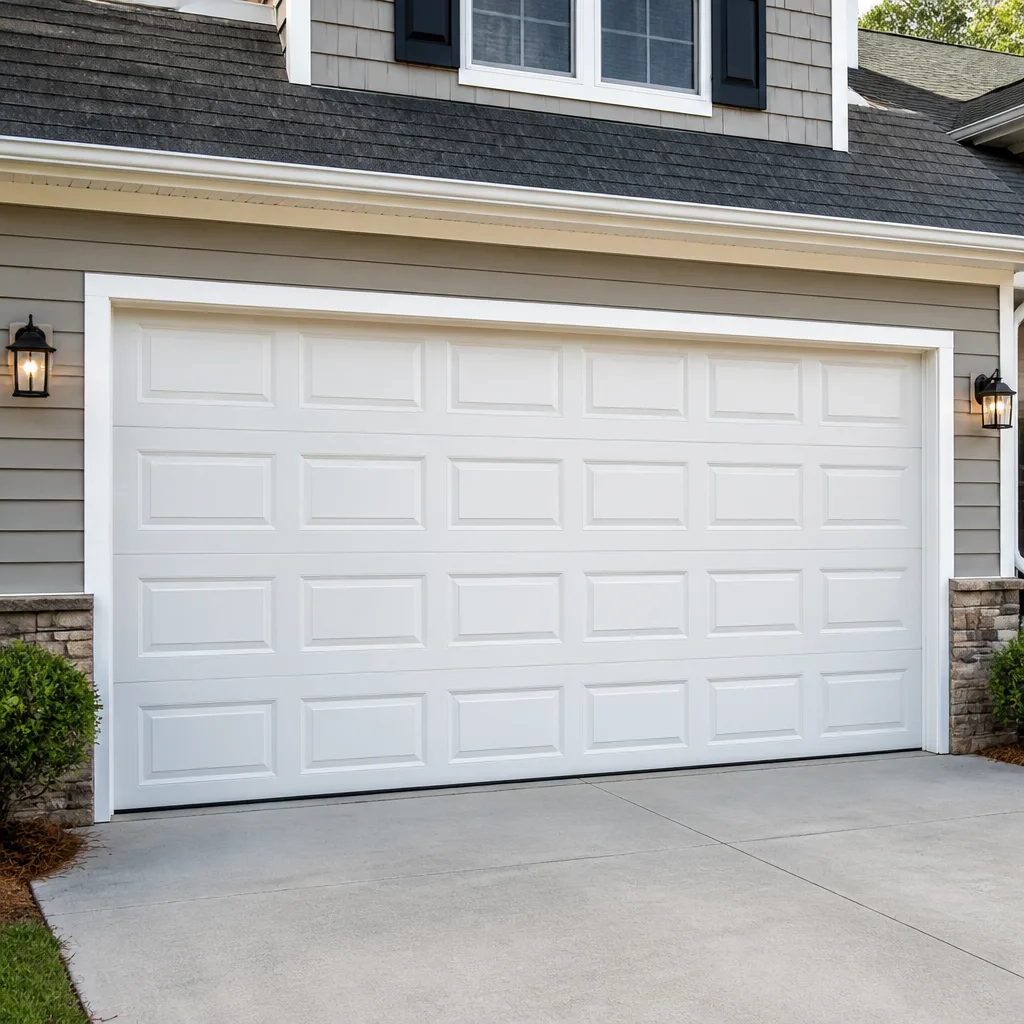 Raised-panel steel
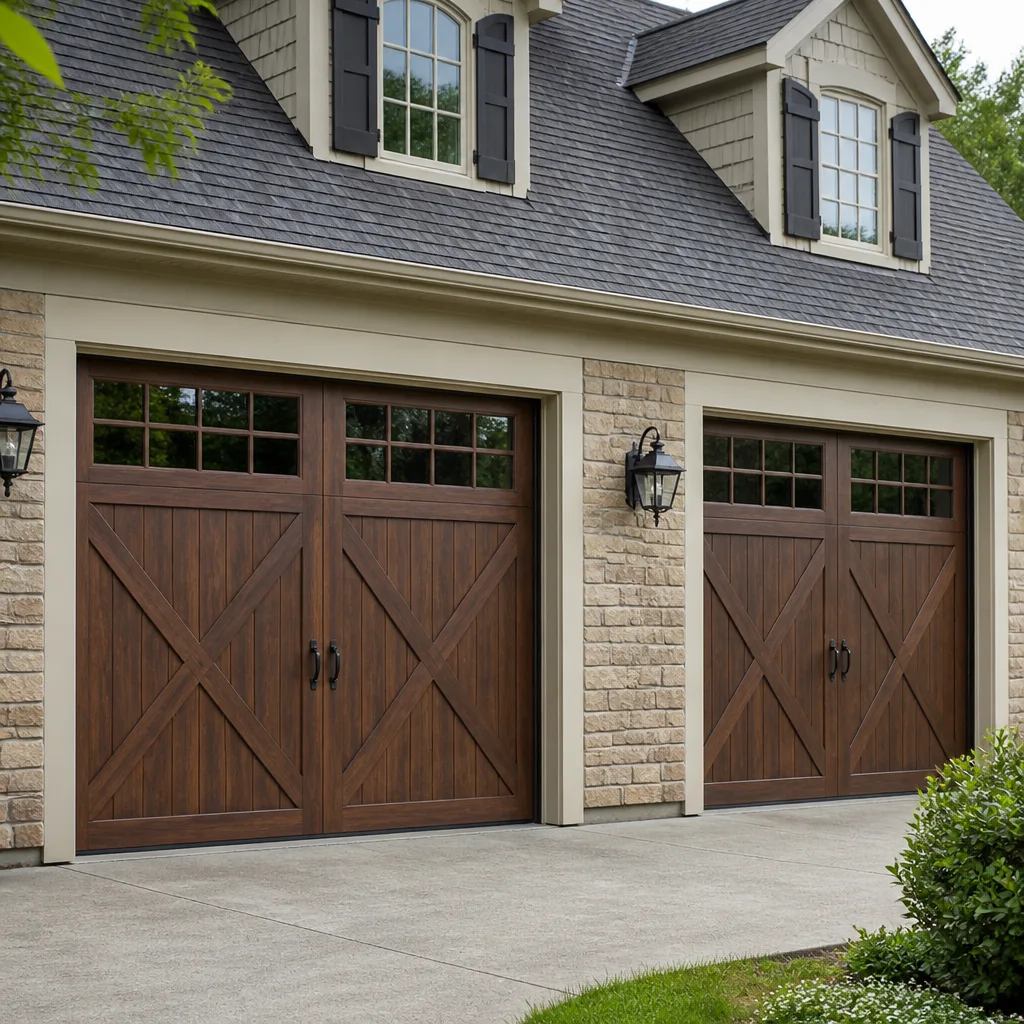 Carriage house
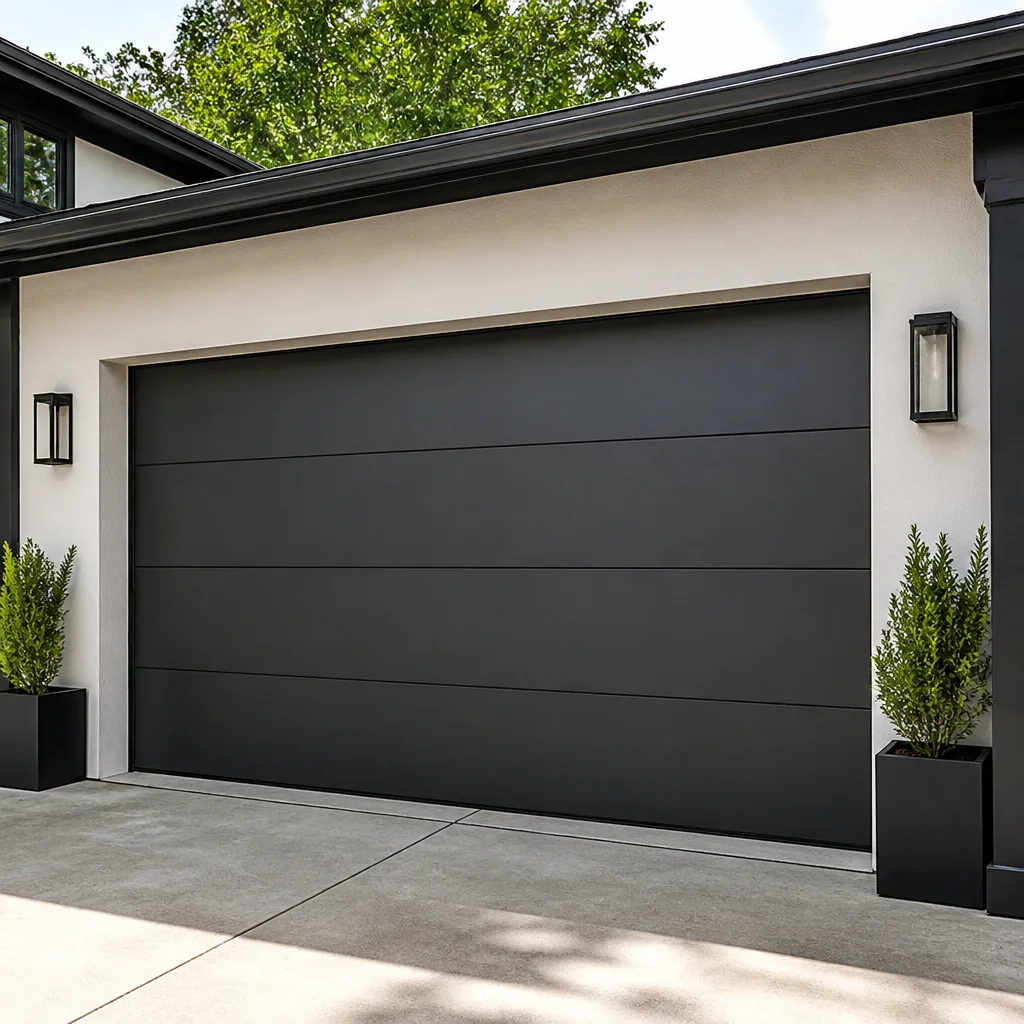 Modern flush
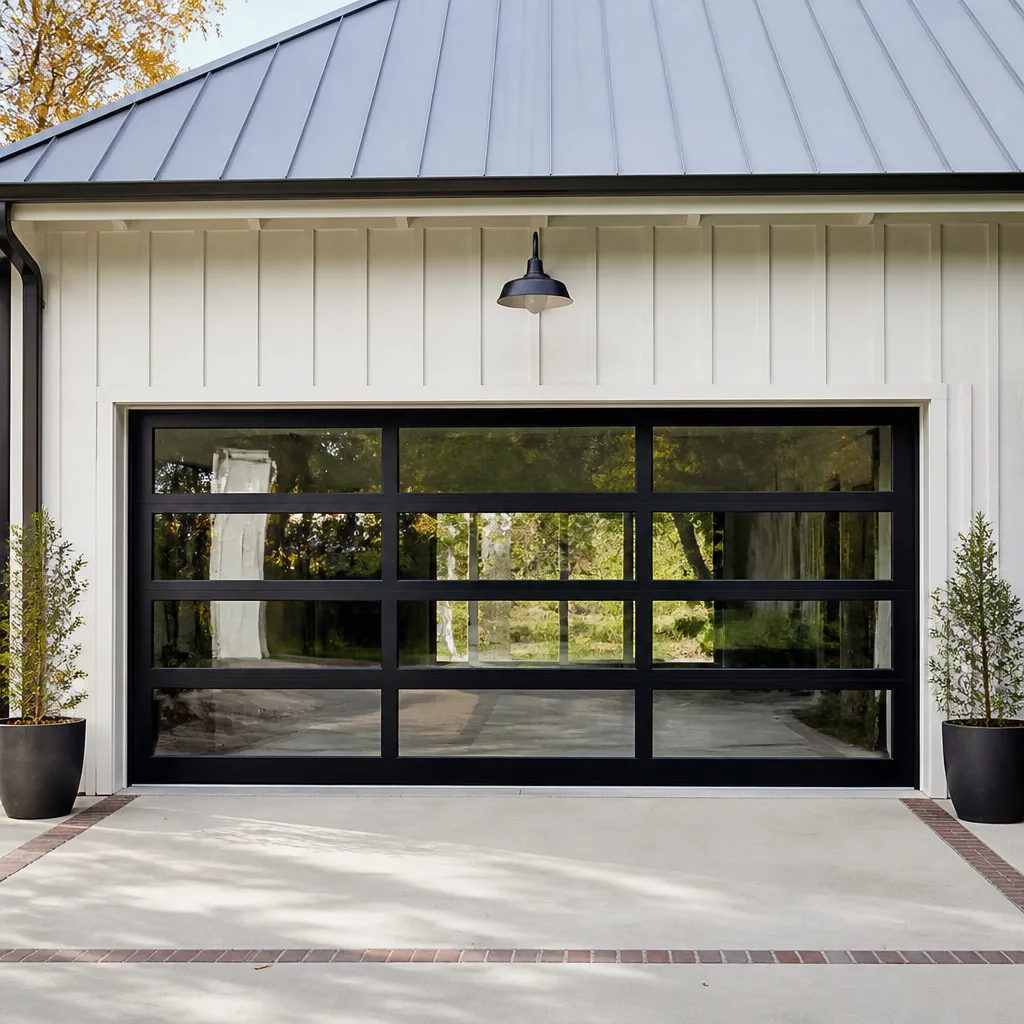 Full-view glass
 LiftMaster openers
 Chamberlain openers
Full 25-point door and opener safety check with every visit - springs, cables, rollers, tracks, and your LiftMaster or Chamberlain opener included
You get a price before we start. It does not change when the pro arrives.
Get your free estimateGarage Door Repair Maintenance Checklist for Joliet Homeowners
The number-one reason Joliet homeowners call for garage door repair isn’t a snapped spring or a dead opener. It’s a problem that announced itself on a checklist months earlier and got skipped. Garage doors give warnings, usually for weeks, and most of those warnings are visible from the driveway in under two minutes. This guide works backward from the failures we see most often in Joliet and turns them into a maintenance routine you can actually keep. You’ll get the checks that are safe to do yourself, the ones that only look safe, a lubrication spec by component, and a seasonal calendar built around an Illinois winter.
Quick Answer
A garage door maintenance checklist for Joliet should cover four things monthly: a visual pass on springs, cables, rollers, and tracks; a balance and reversal test; lubrication on the correct components with the correct product; and a weather-seal check before and after winter. Springs, cables, and the torsion assembly are inspection-only for a homeowner. Everything else on this list is safe to handle yourself, and the whole routine takes about 15 minutes a month plus two longer seasonal sessions.
Styles & brands we work with
- Raised-panel steel
- Carriage house
- Modern flush
- Full-view glass
- LiftMaster openers
- Chamberlain openers
Table of Contents
- Why We Build the Checklist Backward From Failures
- The 90-Second Monthly Visual That Catches Most Problems
- What Fails on Doors 7 to 12 Years Old
- DIY-Safe Checks vs. Checks That Only Look Safe
- Lubrication by Component: Rollers, Hinges, Tracks, Springs
- The Joliet Seasonal Checklist: October, March, July
- The Balance and Reversal Tests, Step by Step
- Common Mistakes to Avoid
- When to Call a Professional
- Frequently Asked Questions
Why We Build the Checklist Backward From Failures
Most maintenance lists are written from the top down: check this, check that, hope for the best. That format fails because it treats every item as equally urgent. In our experience, a handful of components account for the overwhelming majority of repair calls, and the rest are background noise. So we start with what breaks and work backward to the check that would have caught it.
Here’s the pattern. A torsion spring that’s been cycling for years doesn’t snap without warning; it loses tension gradually, and the door starts feeling heavier or the opener starts working harder. A cable doesn’t fray overnight; the strands separate over weeks. A roller doesn’t seize and start grinding the track in a single day. Each of these has a visible precursor, and each precursor sits on the checklist below.
The other reason to reverse the format is climate. Joliet sits in northern Illinois, where a garage door lives through hard freezes, road salt tracked in on tires, and summer humidity that swells wood and works on steel. That cycle of expansion, contraction, and freeze-thaw stresses the same components year after year, which is why a Joliet door ages on a slightly different schedule than one in a milder climate. Local conditions don’t change what fails. They change how fast.
The 90-Second Monthly Visual That Catches Most Problems
This is the check to actually keep. Stand inside the garage with the door closed and work through it in order. Ninety seconds, once a month, and you’ll catch most developing problems while they’re still cheap to fix.
- Springs. Look up at the torsion bar or the extension springs along the horizontal tracks. You’re checking for a visible gap in the coil, which means a broken spring, and for rust or a stretch that looks uneven. Don’t touch them. Just look.
- Cables. Trace the cables running down each side. You want an even spool on the drums and no frayed strands, kinks, or slack. A slack cable on one side is a warning sign, not a nuisance.
- Rollers. Look at each roller where it sits in the track. Worn steel rollers develop flat spots; nylon rollers crack or chip. Either one makes the door louder and drags on the opener.
- Hinges and hardware. Check hinge plates and the bolts along the tracks for looseness, rust, or bends. Loose hinges rattle and misalign the panels.
- Track alignment. Sight down each vertical and horizontal track. It should be straight and parallel. Dents, gaps at the joints, or a track that’s pulled away from the jamb are all worth flagging.
- Weather seal and bottom threshold. Look at the rubber along the bottom edge and the seals around the perimeter. Cracks, hardening, or daylight showing under a closed door mean air and moisture are getting in.
- Panel condition. Glance at the door panels for dents, separation at the seams, rust spots, or a bottom section that’s starting to sag or rot, which is common on older wood doors.
- Opener and safety sensors. Listen for unusual noise during the cycle, check that the sensors’ indicator lights are steady, and confirm the door reverses when something blocks the beam.
Anything that fails this pass goes on your repair list. Most of it can wait for a scheduled visit. A broken spring or a clearly detached cable moves to the top and gets a call.
What Fails on Doors 7 to 12 Years Old
Doors in the 7-to-12-year range are where the repair calls cluster, and there’s a mechanical reason for it. That’s roughly the window when the original springs reach the end of their cycle life, when rollers and hinges have worn past their tolerance, and when the opener’s gear and logic board start to show their age. Joliet’s housing stock includes a large share of homes in exactly this bracket, so it’s the failure profile we know best.
In rough order of frequency:
- Torsion springs. The single most common failure. A spring rated for a set number of cycles simply runs out, and when it goes, the door won’t lift safely.
- Rollers and hinges. Worn rollers and loose hinges are the usual source of a door that’s suddenly loud, jerky, or slow.
- Cables. Fraying and drum wear show up around the same time as spring fatigue, because the cable has been carrying load alongside a weakening spring.
- Opener drive components. Belt and chain wear, gear failure in older units, and logic board faults on units past their prime. Legacy Craftsman and LiftMaster openers are especially common in this age bracket, and both are serviceable.
- Weather seals and bottom thresholds. Rubber hardens and cracks after enough Illinois freeze-thaw cycles, and the bottom threshold takes the most abuse.
- Track and panel alignment. Small impacts and years of vibration pull tracks out of plumb, which then wears the rollers unevenly.
If your door is in this window, the monthly visual matters more than ever. A component past its expected life doesn’t fail politely; it fails on a cold morning when you’re already late.
DIY-Safe Checks vs. Checks That Only Look Safe
Some items on this list are genuinely fine to handle yourself. Others look just as simple and are not. The dividing line is stored tension: anything holding the door’s weight or controlling the counterbalance is a professional’s job, every time.
Safe for a homeowner
- Visual inspection of springs and cables, from a distance, with the door closed
- Lubricating hinges, rollers, and the torsion bar bearing plates with the correct product
- Cleaning the tracks with a damp cloth and checking alignment by sight
- Testing the safety reversal and the balance of the door
- Replacing the bottom weather seal and perimeter seals
- Tightening hinge and track bolts that have worked loose
- Cleaning and aligning the safety sensors, and wiping the photo-eye lenses
Professional only
- Spring replacement or adjustment. Torsion springs are under extreme tension. Adjusting or removing one without the right winding bars and the training to use them can cause serious injury.
- Cable replacement or re-spooling. Cables hold the door’s weight in tension alongside the springs. A cable that slips under load is dangerous.
- Track realignment after impact. A bent track can release a door under load. Straightening it isn’t a hammer job.
- Opener motor or gear replacement. The motor and drive assembly need to be handled with power disconnected and the door secured.
- Panel replacement on a door under tension. A panel swap is not a simple unbolt-and-replace job when the rest of the door is still loaded.
We’d rather tell you plainly: a spring that looks like a coil of wire is holding hundreds of pounds of force. Inspect it. Don’t touch it. If something looks wrong, that’s a call to a professional, not a project.
Lubrication by Component: Rollers, Hinges, Tracks, Springs
Lubrication is where well-intentioned homeowners do the most accidental damage, because the wrong product on the wrong part accelerates wear instead of preventing it. The rule of thumb: use the right lubricant for each component, and use it sparingly.
- Rollers. Use a silicone-based or white lithium spray on the roller bearings, not the wheel surface. Never grease a nylon roller’s running surface; it attracts grit and gums up the track.
- Hinges. A few drops of white lithium or a light machine oil on the hinge pivot points. Wipe off the excess. Too much oil just collects dust.
- Tracks. Do not lubricate the tracks themselves with oil or grease. Wipe them clean with a damp cloth. Oil on a track turns into a grit magnet and wears rollers faster. A very light silicone spray on a clean track is acceptable if the door is noisy, but keep it minimal.
- Torsion bar and bearing plates. A small amount of white lithium on the bearing plates where the torsion bar passes through. Never apply anything to the spring coils themselves; lubricating a spring doesn’t extend its life and can make it harder to inspect for cracks.
- Opener chain or belt. Follow the manufacturer’s spec for the specific brand. A chain needs a light chain lubricant; a belt generally doesn’t need lubrication at all. Over-lubricating a belt is a common mistake that shortens its life.
Two products cover nearly everything on this list: white lithium grease and a silicone spray. Skip the WD-40 for anything except cleaning. It’s a solvent, not a long-term lubricant, and it strips the lubricant that’s already doing its job.
The Joliet Seasonal Checklist: October, March, July
Joliet’s seasons do different things to a garage door, so the calendar matters. Three longer sessions a year, on top of the monthly visual, keep the door ahead of the weather.
Pre-winter: October
This is the session that pays for itself. Freeze-thaw cycles are the hardest thing an Illinois door faces, and a door that’s unprepared in October fails in January.
- Lubricate hinges, rollers, and bearing plates one last time before cold sets in
- Inspect the bottom seal and perimeter seals for cracks that will let cold air and moisture in all winter
- Test the balance of the door: a door that’s drifting heavier now will feel much heavier in freezing temperatures
- Confirm the opener’s safety reversal works, since sensors can be affected by cold and condensation
- Clean the tracks and check for any bends that will worsen with contraction in the cold
- Check panel condition, particularly on wood doors, where moisture intrusion before winter causes long-term damage
Post-winter: March
Winter exposes everything. March is about catching what the cold season brought out.
- Inspect springs and cables for new rust, fraying, or a stretch that wasn’t there in October
- Look at the bottom seal and threshold for damage from ice and salt
- Check tracks for any shift caused by frost heave or settling over the winter
- Test the balance and reversal again; both can change after a hard season
- Check hinges and hardware for rust and looseness brought on by condensation cycles
- If the door is in the 7-to-12-year window, this is a good time for a professional inspection
Mid-summer: July
July is the humidity check. Wood swells, steel expands, and every moving part has had months of use since March.
- Re-lubricate hinges, rollers, and bearing plates
- Check for panel swelling or binding on wood doors
- Inspect rollers for flat spots and cracking that developed over the summer
- Wipe tracks and check alignment, since expansion can pull a track slightly out of true
- Test the opener’s force settings and the safety reversal, since heat can affect both
- Look at the weather seals again; summer sun hardens rubber in its own way
The Balance and Reversal Tests, Step by Step
These two tests catch problems that nothing else will. Do them monthly, and always after any adjustment to springs, tracks, or the opener.
The balance test
- Close the door fully. Pull the emergency release cord to disconnect the opener from the door.
- Lift the door manually to about waist height, then let go.
- Watch what it does. A properly balanced door should stay roughly where you left it, within a few inches.
- If it drops, the springs are losing tension or the door has gained weight. If it rises, the springs are too tight.
- Reconnect the opener by pressing the opener button and watching for the carriage to re-engage, or follow the reconnection step for your brand.
A door that fails the balance test is a spring issue. Don’t try to adjust the springs yourself; that’s the one item on this list that stays with a professional.
The reversal test
- With the door open a few feet, place a roll of paper towels or a piece of scrap wood on the ground in the door’s path.
- Press the close button.
- When the door contacts the object, it should reverse direction immediately and return to open.
- If it doesn’t reverse, stop using the opener and have the safety system checked before the door is used again.
- Wipe the photo-eye lenses on the sensors at the base of the tracks and confirm the indicator lights are steady.
These sensors are the door’s primary safety device. A sensor that’s dirty, misaligned, or failing doesn’t announce itself. It just stops doing its job.
Common Mistakes to Avoid
- Greasing the tracks. It feels like maintenance, but oil on a track collects grit and wears rollers faster. Wipe tracks clean. Save the lubricant for the components that need it.
- Using WD-40 as a lubricant. It’s a solvent, not a long-term lubricant. It cleans off the grease that’s protecting your components and leaves the metal drier than before.
- Adjusting a torsion spring. This is the mistake behind the most serious garage door injuries. Springs are under extreme tension. Inspect them from a distance and leave adjustment to a trained professional.
- Ignoring the bottom seal through a Joliet winter. A cracked bottom seal lets in cold air, moisture, and salt, which then works on the door and the garage floor all winter. It’s one of the cheapest parts to replace and one of the ones most often skipped.
- Assuming a noisy door is normal. Noise is a signal. Worn rollers, loose hinges, and failing bearings all start quietly. A door that’s gotten louder over a few months is telling you something.
- Skipping the monthly visual because nothing’s broken yet. The whole point of the routine is to catch problems before they’re repairs. A door that’s working fine still has wear you can’t hear.
- Replacing the opener when the door is the problem. Heavy doors, failing springs, and binding tracks all put extra load on the opener, and a new opener won’t fix any of that. Diagnose the door first.
When to Call a Professional
Bring in a garage door specialist when you see any of the following: a visible gap in a spring coil, a frayed or slack cable, a door that fails the balance test, a door that reverses correctly but then reverses again on the way up, a track that’s visibly bent or pulled from the jamb, a panel that’s separated at the seam, or an opener that runs but doesn’t move the door. Any of these is beyond the checklist and into repair territory.
For routine maintenance on a door in the 7-to-12-year window, a professional inspection is worth the visit, especially before winter. Our technicians have up to 9 years of experience and our trade is garage doors only. Whether your opener is a newer myQ-enabled LiftMaster or an older Raynor or Chamberlain unit, we’ll already know what to check before we arrive. Remington Garage Door Repair offers free estimates in Joliet. Call (888) 857-5215. We answer 24/7, with fast dispatch from 7am to 7pm, Sunday through Friday.
If you’re scheduling repair rather than maintenance, the same visit handles it. You can read more about garage door repair and what a typical visit covers, or about garage door opener repair if the door moves fine but the opener doesn’t.
Frequently Asked Questions
A monthly 90-second visual plus three longer seasonal sessions (October, March, and July) is the right rhythm for a Joliet door. Professional service is worth scheduling once a year or whenever the door enters the 7-to-12-year window, when springs, rollers, and opener components tend to reach the end of their life. Call (888) 857-5215 for a free estimate if you’re not sure where your door stands.
Yes, for hinges, rollers, bearing plates, and the opener chain, following the correct product for each. Not for torsion springs, which don’t benefit from lubrication and should only be inspected. Use white lithium grease or a silicone spray, keep oil off the tracks, and skip WD-40 as a long-term lubricant. If you’re unsure which product goes where, call (888) 857-5215 and we’ll walk you through it.
A broken torsion spring. It’s the component under the most load and the one with the most predictable service life, so it’s the failure we see most often on doors past the 7-year mark. A close second is worn rollers and hinges causing noise and binding. Both are straightforward repairs once diagnosed. Call (888) 857-5215 for an exact quote.
With the door closed, look at the spring coil. A visible gap in the coil means it’s broken. You may also notice the door feels much heavier when lifted manually or the opener strains and stops. Don’t try to lift the door repeatedly or adjust the spring; a broken spring is a professional repair. Call (888) 857-5215.
Yes, in most cases. The bottom seal is one of the simplest DIY items on the checklist, and replacing a cracked seal before winter is one of the best things you can do for a Joliet door. Perimeter seals are similarly manageable. If the threshold itself is damaged or the door won’t close flush, that’s worth a professional look. Call (888) 857-5215 for a free estimate.
It depends on the brand and model. Modern LiftMaster and Chamberlain openers with myQ support smart home integration directly. Older Craftsman and Raynor units generally don’t, though some can be fitted with a smart controller. We service the LiftMaster, Chamberlain, Genie, and Craftsman ecosystems, so we can tell you what your specific unit supports. Call (888) 857-5215.
The Bottom Line
Most garage door repairs start as something the homeowner could have caught with a two-minute look. Build the monthly visual into your routine, run the balance and reversal tests, and use the October, March, and July sessions to stay ahead of what Joliet’s seasons do to a door. Lubricate the right components with the right product, keep oil off the tracks, and leave springs and cables to the professionals. If your door is between 7 and 12 years old, you’re in the highest-failure window, and a professional inspection is money well spent. For maintenance, repair, or a replacement estimate anywhere in Joliet, call Remington Garage Door Repair at (888) 857-5215 for a free estimate. We answer 24/7. Fast dispatch from 7am to 7pm, Sunday through Friday.
Written by the team at Remington Garage Door Repair.
See the difference
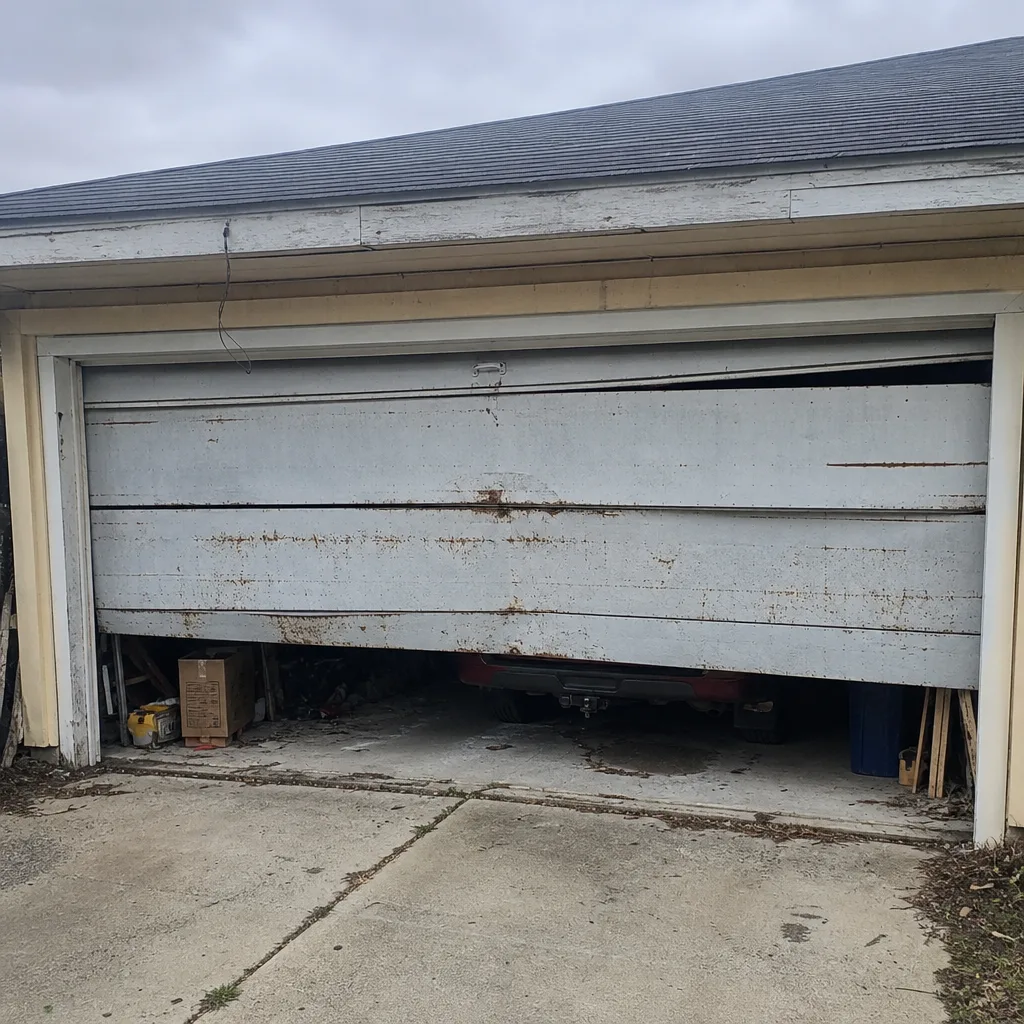 Before
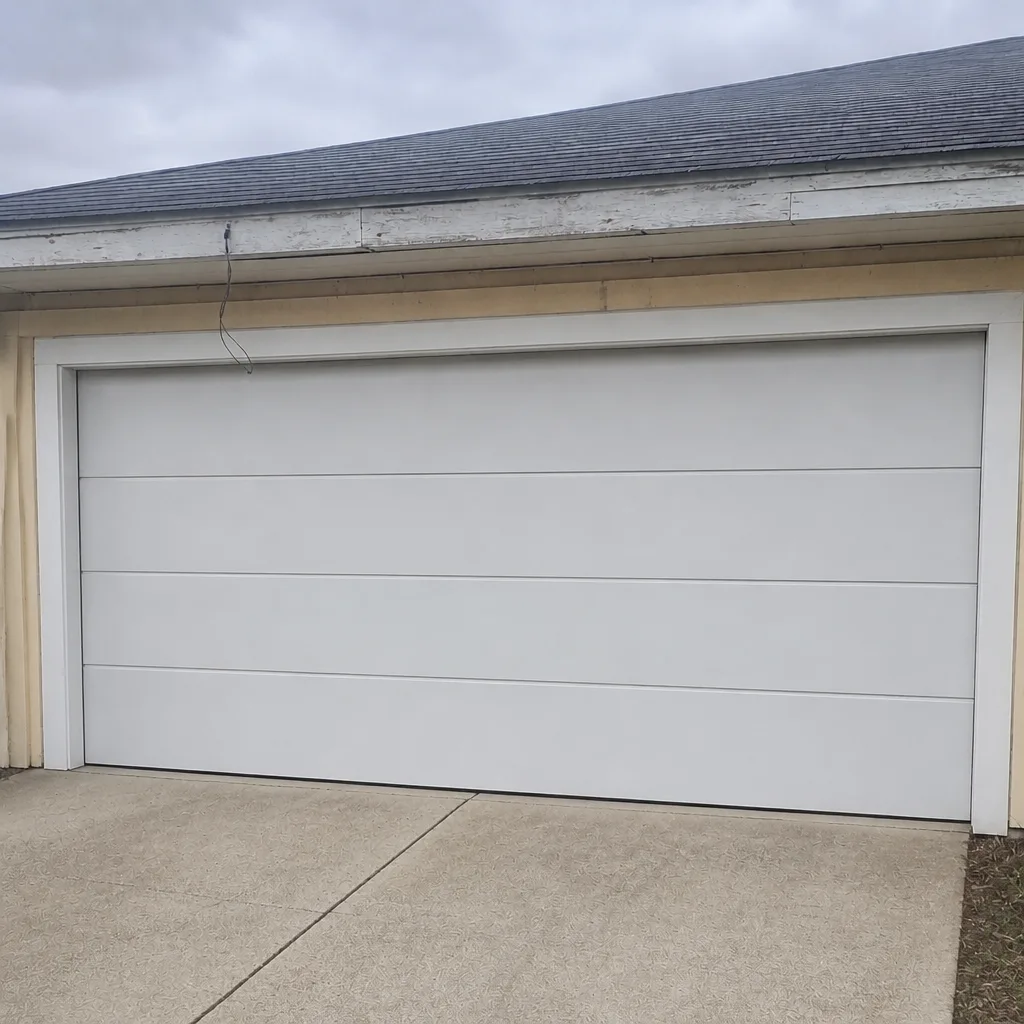 After
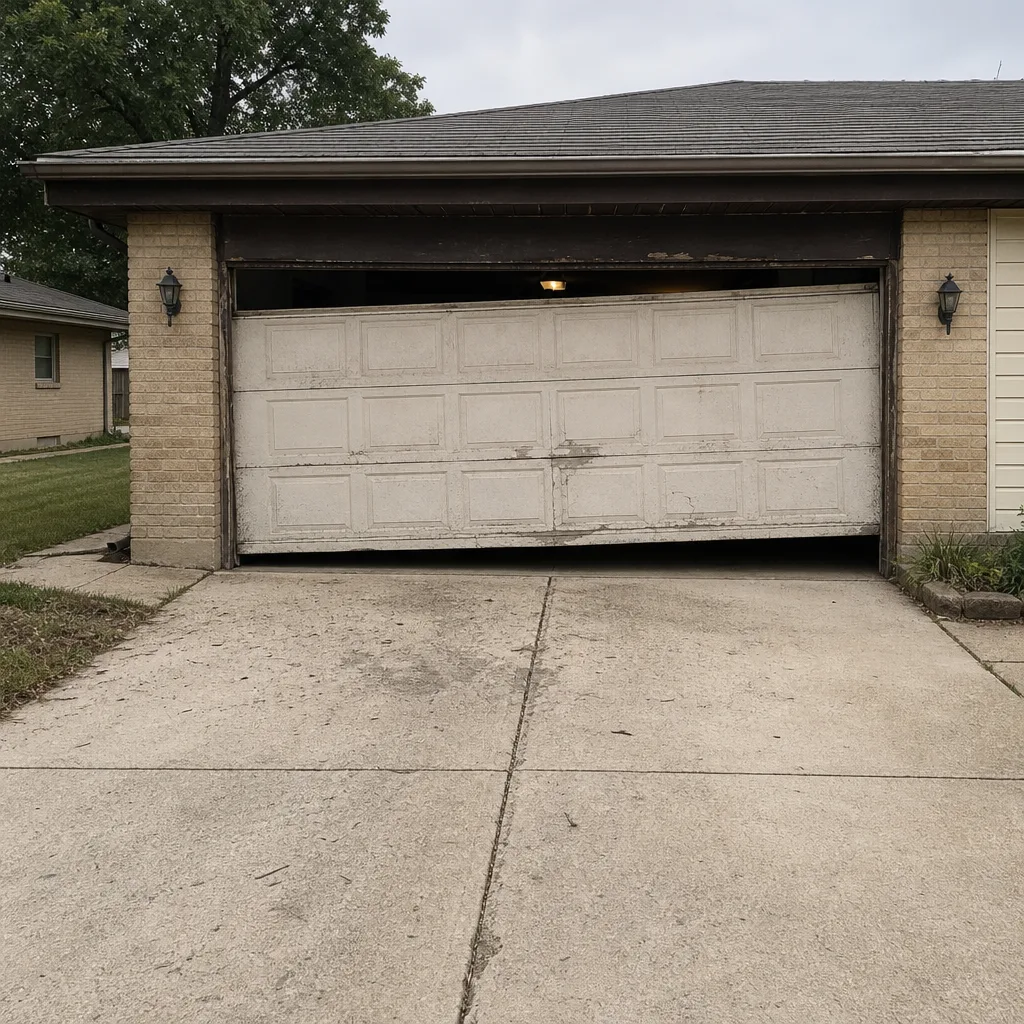 Before
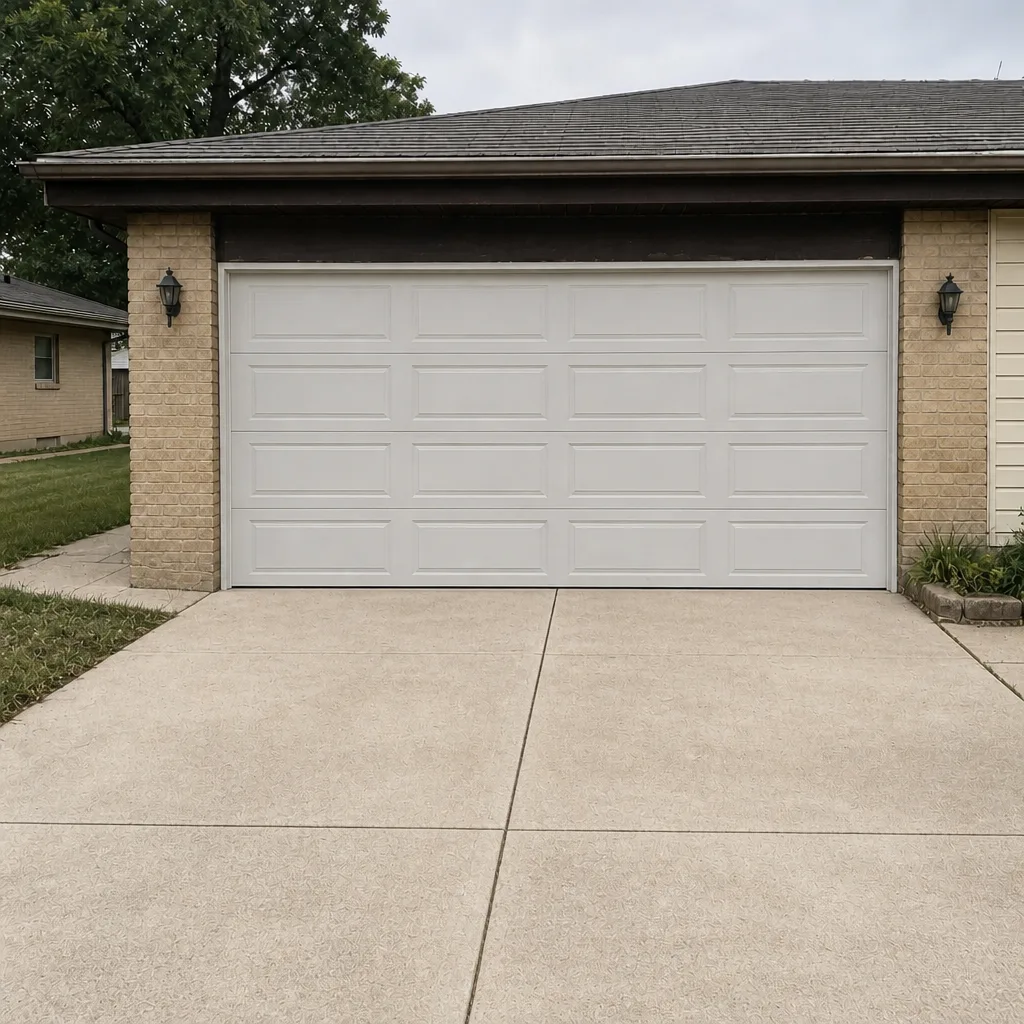 After
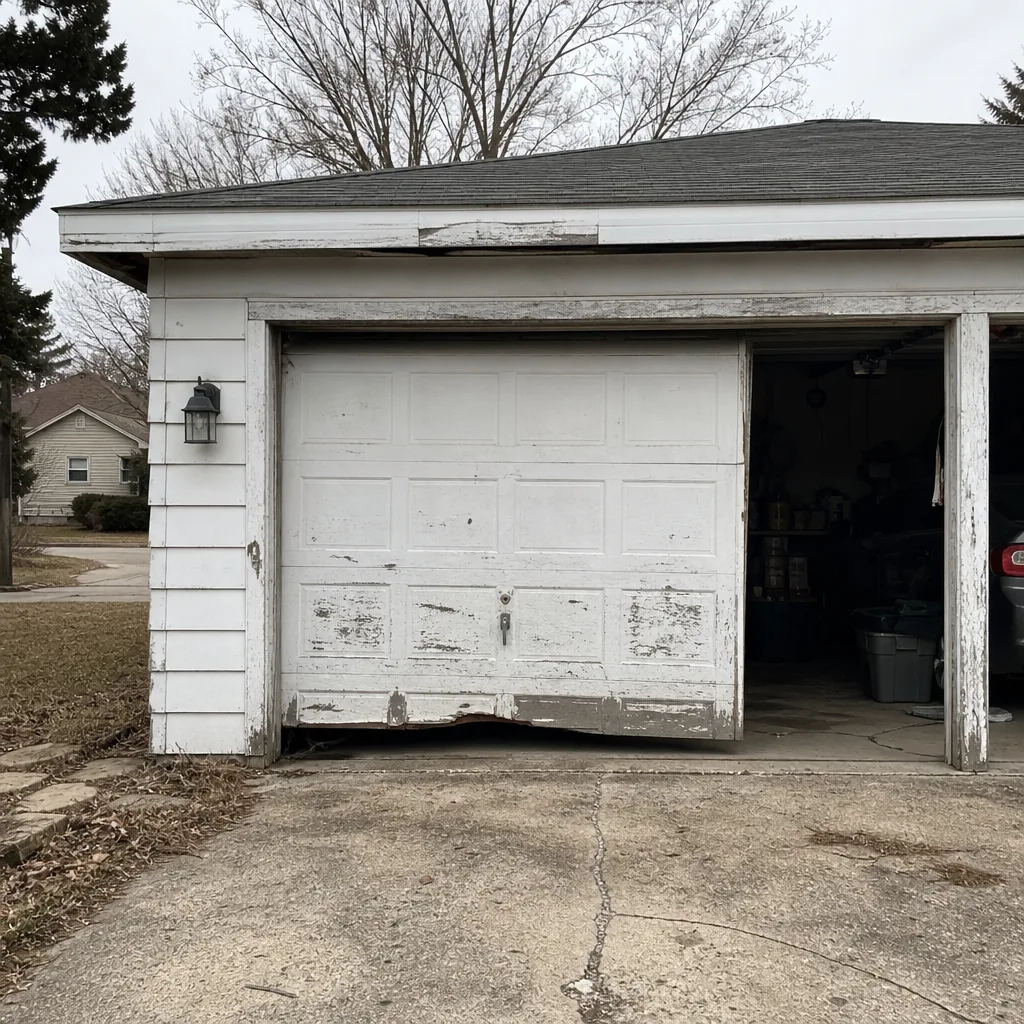 Before
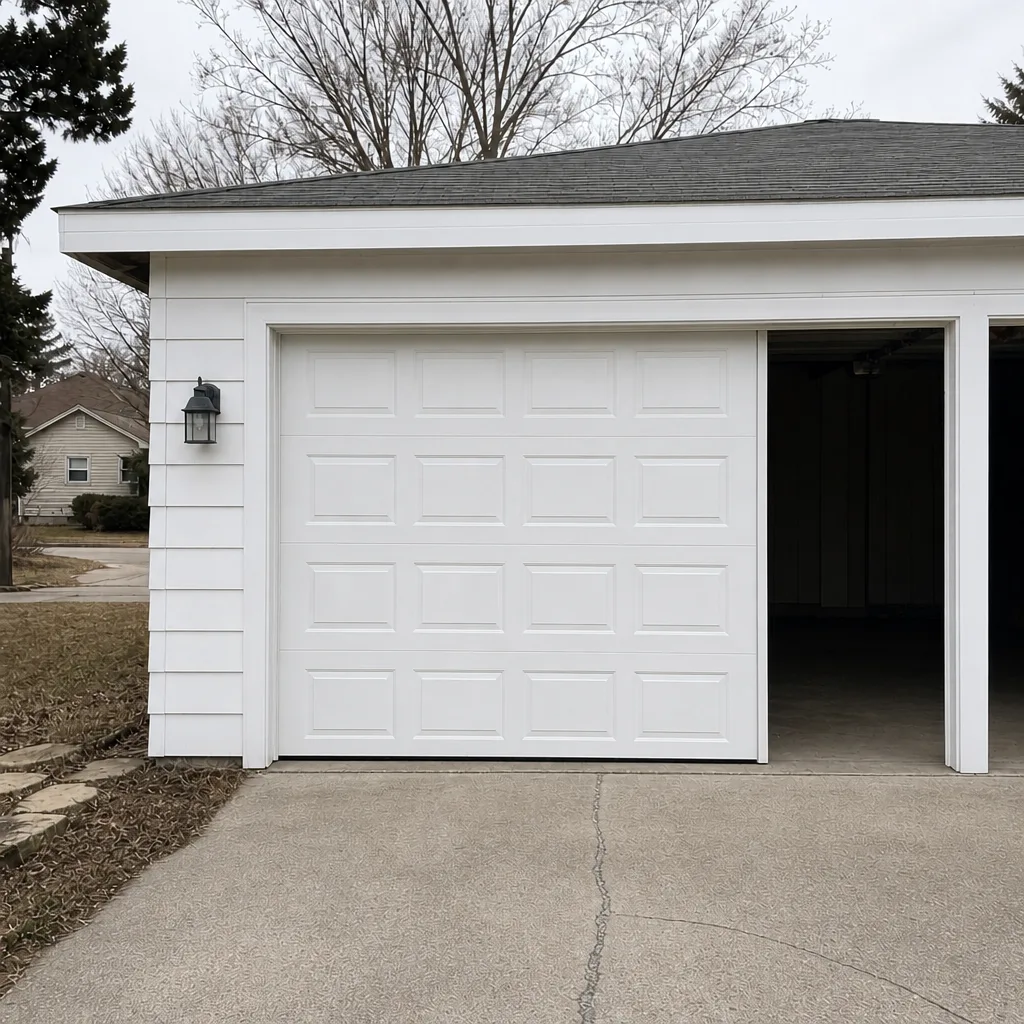 After