
Last updated November 15, 2026
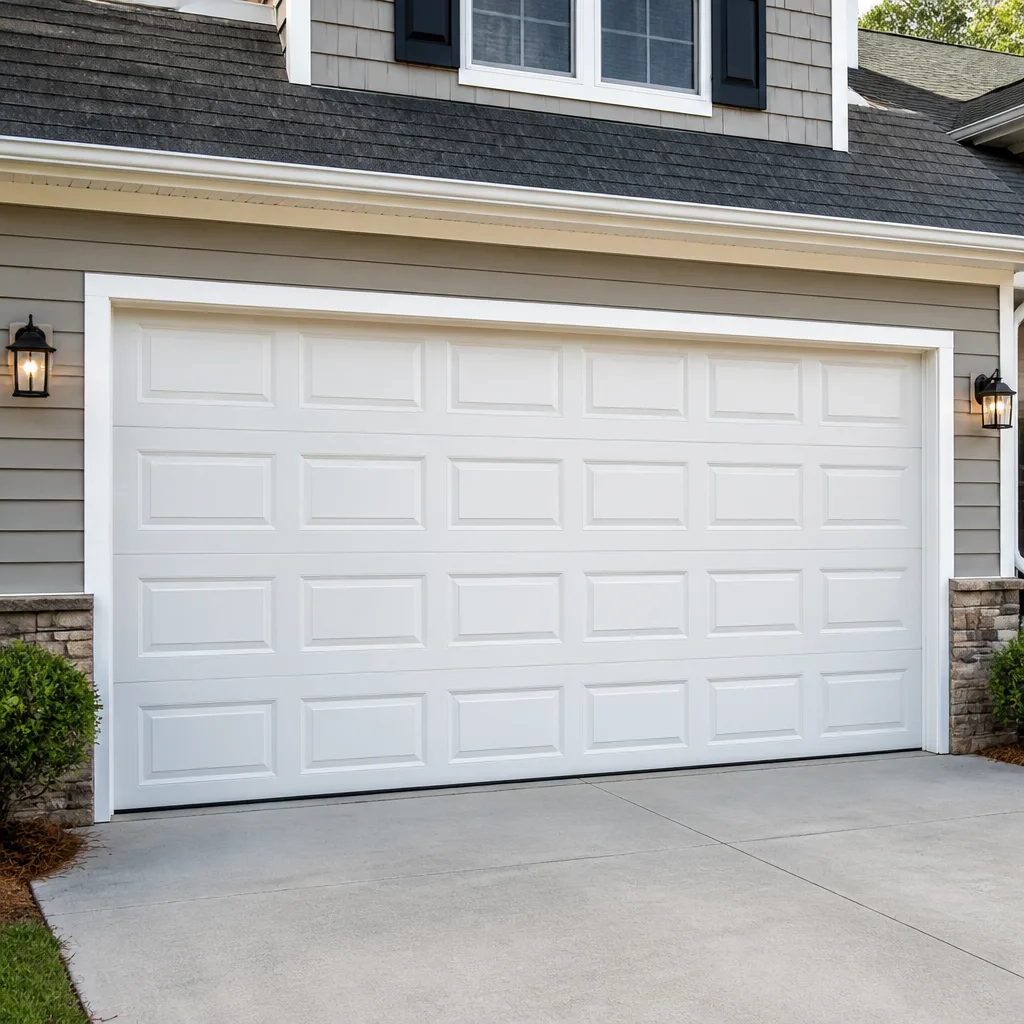 Raised-panel steel
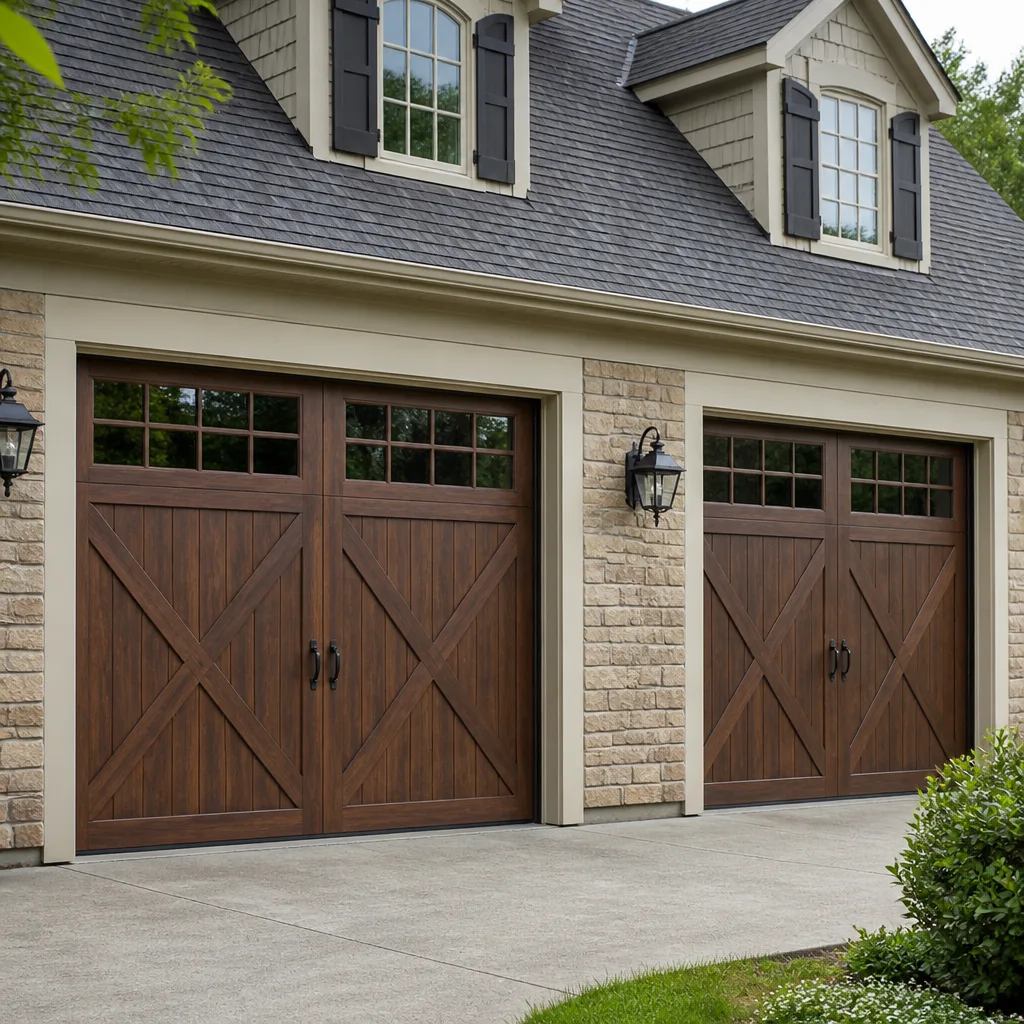 Carriage house
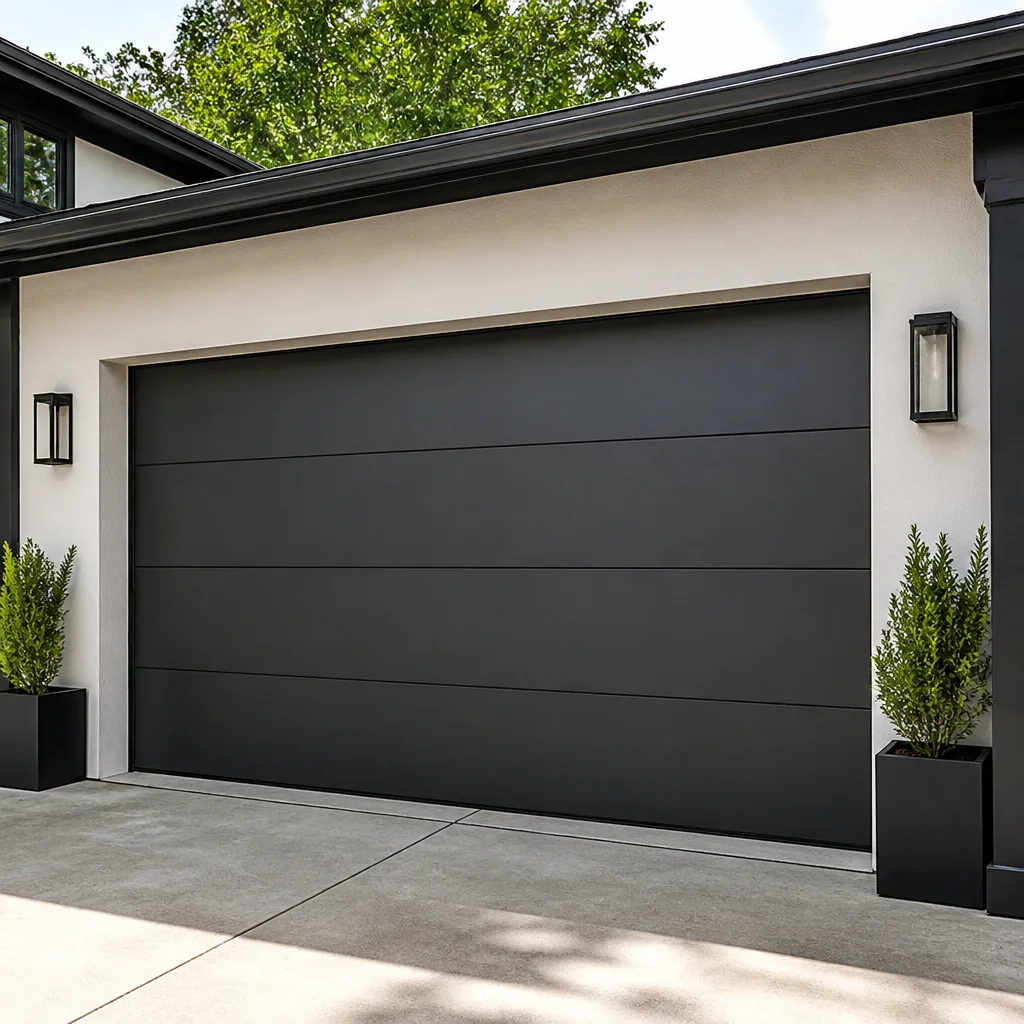 Modern flush
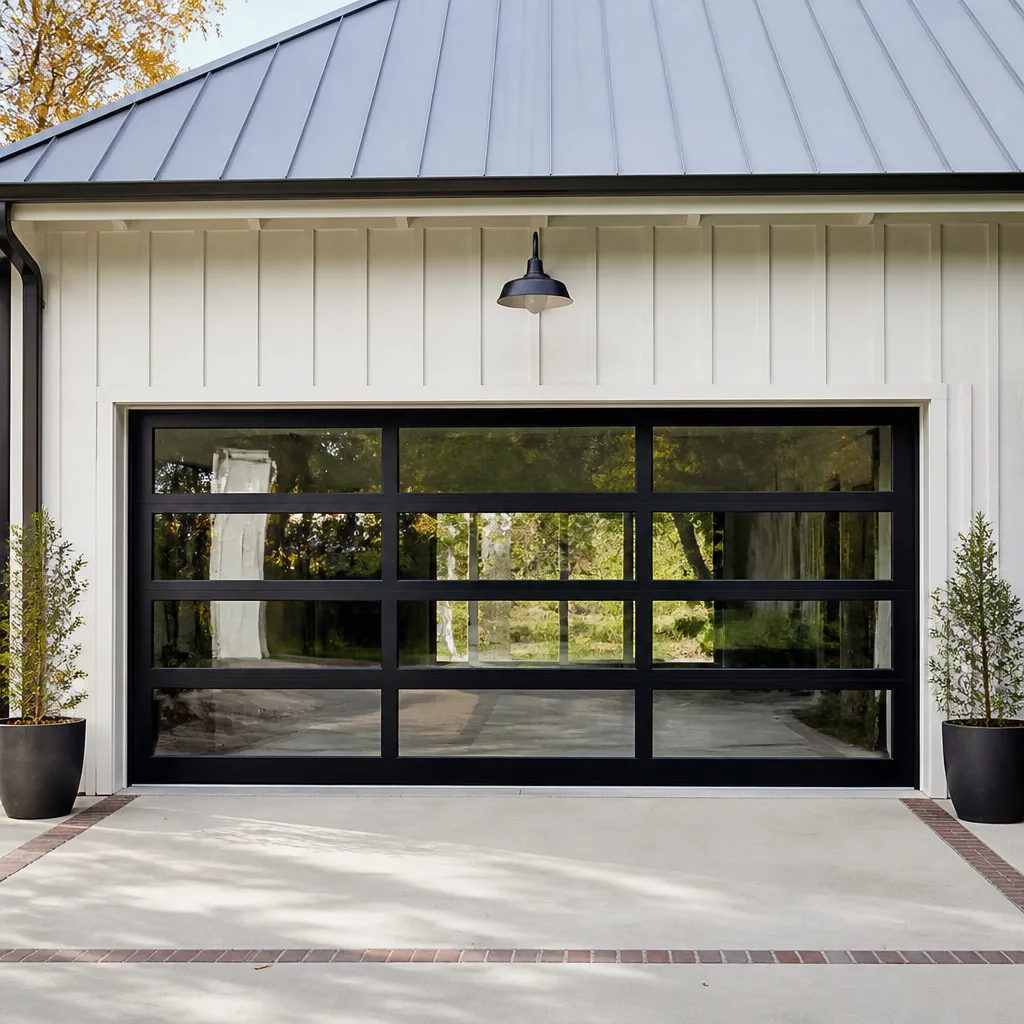 Full-view glass
 LiftMaster openers
 Chamberlain openers
Full 25-point door and opener safety check with every visit - springs, cables, rollers, tracks, and your LiftMaster or Chamberlain opener included
You get a price before we start. It does not change when the pro arrives.
Get your free estimateGarage Door Permits, Codes & Inspections in Joliet, IL: What You Need to Know
If you replace your garage door and your contractor pulls no permit, you might save a week of scheduling – but you also might be looking at a forced disclosure issue when you sell the house. Most Joliet homeowners assume a garage door swap is permit-free. Sometimes it is. Sometimes it very much isn’t, and the line between the two comes down to a specific set of conditions most contractors never explain. This guide walks through when the City of Joliet actually requires a permit, which jurisdiction covers your address, what inspectors look for, and who’s legally on the hook in Illinois when work happens without one. By the end you’ll know how to ask the right questions before anyone touches your door.
Quick Answer
In Joliet, a like-for-like garage door replacement in the same opening usually does not require a permit, but any change to the opening, the structural header, or a new rough opening generally does. Whether your address falls under City of Joliet or Will County jurisdiction depends on where you live, and one phone call to the building department settles it. Pulling the permit, when one is required, is normally the contractor’s job under Illinois law – not yours.
Styles & brands we work with
- Raised-panel steel
- Carriage house
- Modern flush
- Full-view glass
- LiftMaster openers
- Chamberlain openers
Table of Contents
- When does Joliet require a permit for garage door work?
- City of Joliet vs. Will County: which jurisdiction applies to you?
- What a failed garage door inspection actually looks like
- How unpermitted garage door work shows up when you sell
- Who pulls the permit in Illinois: contractor or homeowner?
- How Joliet winters affect door wear, springs, and inspections
- What to ask your garage door contractor before work starts
- What garage door permitting and inspection typically costs in Joliet
When does Joliet require a permit for garage door work?
Joliet requires a permit when your garage door project changes the structure of the opening, and it usually does not when you’re swapping a door into the same opening it came out of. That’s the short version. The longer version matters because “same opening” is narrower than most people think.
A straightforward like-for-like replacement – same width, same height, same tracks, same header, new door slid into the existing hardware footprint – typically does not trigger a permit. The opening isn’t changing. The structure isn’t changing. The electrical work isn’t changing. That’s the scenario most Joliet homeowners are in, and it’s why so many people believe no garage door project ever needs a permit.
The moment you cross one of the following lines, expect the city to want an application:
- Header changes. Reinforcing, raising, or replacing the structural header over the opening is structural work, and it needs a permit.
- Opening resizing. Widening the opening for a double door or narrowing it for a single is a structural alteration.
- New rough openings. Cutting a new garage door opening into a wall (an addition, a conversion, a carport enclosure) is treated like any other structural change.
- Electrical work for the opener. Adding a new circuit or outlet for an opener is electrical work and falls under a separate electrical permit in most cases.
- Structural repairs. Replacing rotted framing around the opening, re-anchoring a sagging track into new blocking, or repairing a wall damaged above the door can require one.
If you’re unsure which camp your project is in, the correct move isn’t to ask your contractor to guess. It’s to call the City of Joliet building department and describe the work in one sentence. They’ll tell you yes or no in about two minutes.
City of Joliet vs. Will County: which jurisdiction applies to you?
Joliet is the county seat of Will County, and it also spills into Kendall County along its western edge. That means your garage door permit question isn’t automatically answered by “I live in Joliet.” Your jurisdiction depends on two things: whether your address is inside the incorporated city limits, and whether it’s in Will or Kendall County on the county side.
Roughly speaking, properties inside the city limits answer to the City of Joliet’s building department. Properties in unincorporated areas on the fringe – the ones with a Joliet mailing address but a “Will County” or “Kendall County” jurisdiction on the tax bill – answer to the county. This is a common source of confusion, especially in newer subdivisions and on the edges of town.
Here’s how to find out in one phone call:
- Pull up your property tax bill or your last county assessment notice. It lists your taxing jurisdiction directly.
- If it says “City of Joliet,” call the City of Joliet building department. If it says “Will County” or “Kendall County,” call that county’s building department.
- Describe the work in one sentence: “I’m replacing a 16-foot single-car door in the same opening” or “I’m widening the opening for a double door.”
- Ask two questions: does this need a permit, and does the permit need any inspection before final sign-off?
- Write down the name and date of the person you spoke with. If a question ever comes up later, that record is worth keeping.
We’d rather you make that call before installation than after. It’s the cheapest five minutes in this entire process.
What a failed garage door inspection actually looks like
A failed garage door inspection is less dramatic than it sounds. Inspectors aren’t looking for perfection. They’re looking for whether the door operates safely and whether the installation follows the basic structural and safety codes. In our experience on Joliet installs, two issues come up more than any other.
Issue one: the safety reverse doesn’t work. Every residential opener made since 1993 has to include a photoelectric eye system that reverses the door when something crosses the beam. Inspectors test this. They also test the pressure-sensitive reverse, the one that reverses the door when it hits an object. If either system has been bypassed, is misaligned, or was never wired in properly, the inspection fails on the spot. It’s a five-minute fix in most cases, but it’s the reason a huge share of garage door re-inspections happen.
Issue two: the door isn’t anchored to code. This one is subtler. The track brackets need to be into solid framing or blocking. The springs need to be properly mounted to the header. The torsion tube needs to be secured. If a previous installer attached anything with drywall anchors or into soft fascia, it looks fine from the driveway and it’s a red flag on an inspection. It’s also a real risk with a 200-pound door under tension.
Other things that come up less often:
- Missing or incorrect warning labels on the door and the opener
- Opener connected to a circuit with no ground
- Springs that appear undersized for the door weight
- Track sections not plumb, causing the door to bind
If you’re bidding on a home in Joliet and the inspection report has a garage door note, we can take a look at what the inspector flagged and tell you what a realistic correction involves. A call to (888) 857-5215 gets you a free estimate.
How unpermitted garage door work shows up when you sell
Unpermitted garage door work shows up in the middle of a home sale, usually at the worst possible moment. It happens because a buyer’s home inspector, or the buyer’s agent, or the title company, notices that the door spec doesn’t match what the county records or the original listing says. Sometimes it’s a door that started as a single and now reads as a double on the county’s square footage records. Sometimes it’s a discrepancy in the permit history tied to a structural repair.
In Illinois, sellers have a legal duty to disclose known material defects, and unpermitted structural or electrical work counts. That means when the question comes up, you can’t just shrug. You have three options, none of them free:
- Disclose it and let the buyer price it into their offer (usually the most expensive outcome).
- Retroactively permit it – if the jurisdiction allows that for your situation, which isn’t guaranteed.
- Undo the change and put it back to what the records show.
Title companies in Will County have gotten more careful about permit history over the last few years, and a specific flag on a garage door addition or opening change can hold up a closing while it’s sorted out. That’s the part nobody mentions when a contractor offers to skip the permit for speed.
None of this means every garage door job needs a permit. It means when one is required and skipped, the problem doesn’t surface at the time – it surfaces years later when you’re trying to sell. For more context on the installation side of that equation, see our garage door repair resources for Joliet homeowners.
Who pulls the permit in Illinois: contractor or homeowner?
In Illinois, the contractor pulls the permit when the contractor is doing the work. The homeowner can technically pull it as an owner-builder in many jurisdictions, but for garage door work that goes beyond a like-for-like swap, you generally want the contractor on the record. The permit history follows the property, and a clean permit trail with a licensed contractor’s name attached is worth more than one with the homeowner’s name on it.
Here’s the practical breakdown:
- Contractor’s responsibility: Filing the application, posting the permit at the job site, calling for the inspection, and providing the final sign-off to you. Any reputable contractor expects this to be part of the job.
- Your responsibility: Asking the question up front, verifying the contractor will pull the permit (not “we’ll see if it’s needed”), and keeping a copy of the final signed-off permit for your records.
- Who’s legally on the hook if no permit is pulled: Technically both parties. The contractor is on the hook professionally and can face fines or license issues, but the property owner ends up with the compliance problem at resale. That’s why the question is worth asking on the phone before anyone arrives.
If a contractor tells you “we don’t need a permit for that” without asking a single question about the opening, the header, or the electrical, that’s a signal. It might be correct. It’s still a signal that they’re not thinking about the parts of the job that turn into your problem later.
At Remington Garage Door Repair, when a project crosses into permitted territory, we tell you before the work starts so you can make the call. When you’re ready to talk through a Joliet install, call (888) 857-5215 – estimates are free.
How Joliet winters affect door wear, springs, and inspections
Joliet’s winters aren’t the coldest in Illinois, but they’re cold enough and long enough to change what garage door failures look like here. The freeze-thaw cycle in Will County runs from November into March most years, and the salt trucks on the main corridors between Aurora Avenue, Jefferson Street, and the Cathedral area of downtown keep a lot of that brine on the roads. All of it ends up on your door panels, your bottom seal, and your hinges over the course of a season.
What that means in practice:
- Springs fatigue faster. Torsion and extension springs on a typical residential door are rated for a specific cycle count, and cycles don’t care about temperature. But the cold matters for the metal itself – a spring that’s been working near its limit in July is more likely to snap on the first cold morning in January.
- Bottom seals crack. The vinyl or rubber seal along the bottom of most doors stiffens and cracks in cold weather, and that’s the seal keeping weather and pests out. If yours is more than a few seasons old, it’s a candidate for replacement whether or not it looks bad.
- Tracks shift. Frost heave and the seasonal settling of a foundation in clay soil (which is what much of Joliet sits on) moves tracks out of plumb. A door that binds in late winter is usually a track alignment issue, not a door issue.
- Safety reverse fails more often in cold. Both the photoelectric eyes and the pressure reverse behave differently in extreme cold, and an inspector testing the reverse on a January walk-through will catch anything borderline.
None of this is a permit problem by itself. It’s a reason to have a door serviced before winter sets in and a reason to make sure your install was done properly the first time, so the first cold snap doesn’t become the first service call.
What to ask your garage door contractor before work starts
Five questions separate a contractor who knows the pergola of Illinois permitting from one who doesn’t. Ask them on the phone, before an estimate is scheduled. The answers tell you a lot about how the job is going to go.
- “Will this project require a permit from the City of Joliet or Will County?” If they can’t answer with a clear yes/no and a reason, move on. The correct answer starts with a question about the opening and header.
- “If a permit is needed, who pulls it?” The right answer is “we do.” If the answer is “you can pull it,” that’s a flag.
- “Who handles the inspection sign-off?” The contractor should schedule it and give you the final paperwork. Anything less and you’re doing work you didn’t agree to.
- “Are the technicians licensed and insured?” In Illinois, contractors working on residential property are expected to carry liability coverage and workers’ comp. Ask for confirmation and don’t accept “we’re all set.”
- “Does the estimate cover everything, or is it a starting number?” The written estimate is the price. Any contractor who tells you the number might move once they see the door is telling you the quote is provisional, which means you don’t have a real price.
We specialize in garage doors and openers – LiftMaster, Chamberlain, Genie, Raynor, Clopay, Amarr, Wayne Dalton, and Craftsman – and we do it as a dedicated trade, not one item on a list of home repairs. That focus matters on questions like this because the answers are what our whole trade is about. Our technicians have up to 9 years of experience, and they’ve walked Joliet homeowners through the permit question plenty of times.
What garage door permitting and inspection typically costs in Joliet
Garage door permitting and inspection costs in Joliet generally depend on the scope of the structural work, not the door itself. A like-for-like replacement usually carries no permit cost at all because there’s no permit. A structural change or a new opening involves an application fee paid to the jurisdiction, and sometimes a separate inspection fee on top. Those fees are set by the city or county, they vary by project type, and they change over time – so rather than quote you a stale number, we tell you to ask the building department directly what the fee is for your specific scope.
The garage door work itself (the labor, materials, and installation) is quoted separately and per job. Typical Joliet ranges for reference:
- Like-for-like door replacement: depends on door size, material, and brand; the written estimate from the contractor sets the price. No permit cost in most cases.
- Opening resizing or header repair: door install plus structural work, plus the permit fee from the jurisdiction.
- New rough opening (addition or conversion): structural framing, door install, opener install, electrical work, plus the permit and inspection fees from the jurisdiction.
- Spring replacement (for context): a single spring is a per-spring price; a matched pair is usually replaced together, so a pair costs about twice that.
What matters more than any specific dollar figure: the price you’re quoted is the price you pay. The written estimate sets the final number, and any reputable contractor will agree to that in writing before work starts. Call (888) 857-5215 for a free estimate on your Joliet project.
Common Mistakes to Avoid
- Assuming “like-for-like” without checking. A swap from a 7-foot door to an 8-foot door in the same opening isn’t like-for-like at the structural level, even if the tracks look the same. That change usually needs a permit in Joliet.
- Letting a contractor decide without a phone call to the city. A contractor’s “probably not” isn’t the same as the building department’s “no.” Call the department and get it on the record.
- Skipping the code on the opener circuit. Adding an opener in a garage that never had one usually means new electrical work, which is a separate permit in most jurisdictions. Don’t let the door install swallow the electrical scope.
- Trusting a verbal estimate. If you don’t have a written estimate before work begins, you don’t have a price. The written number is the only number that counts.
- Ignoring the safety reverse because “the door works fine.” A door that opens and closes is not the same as a door that will reverse when a child walks under it. Test the reverse monthly by hand, and let an inspector test it properly when a permit is involved.
- Waiting until the home sale inspection to sort out permit history. If a prior change to your garage door opening isn’t on record with the city, finding that out now is cheaper than finding it out at closing.
- Hiring a generalist for a permitted install. A contractor whose trade is garage doors knows what to include in the application and what inspectors look for. A generalist is guessing, and the guess shows up on your inspection report.
See the difference
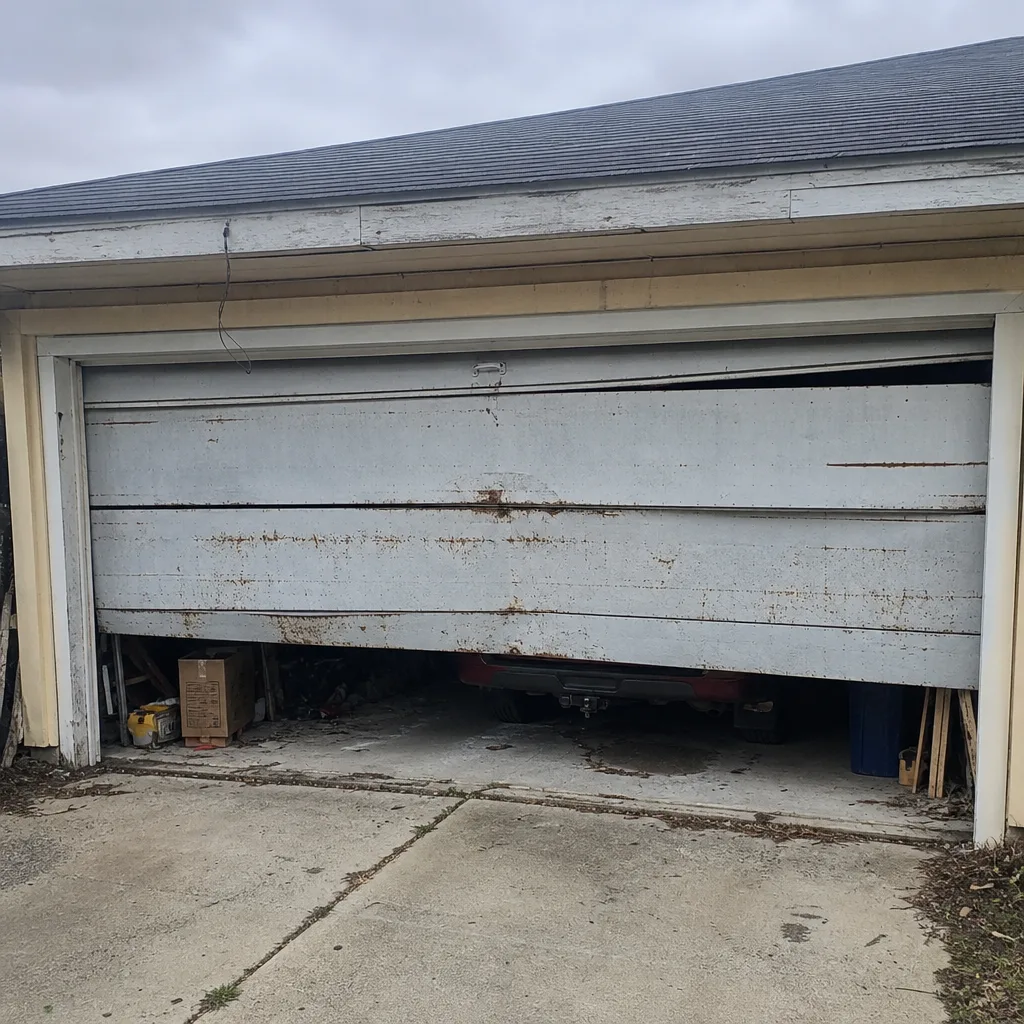 Before
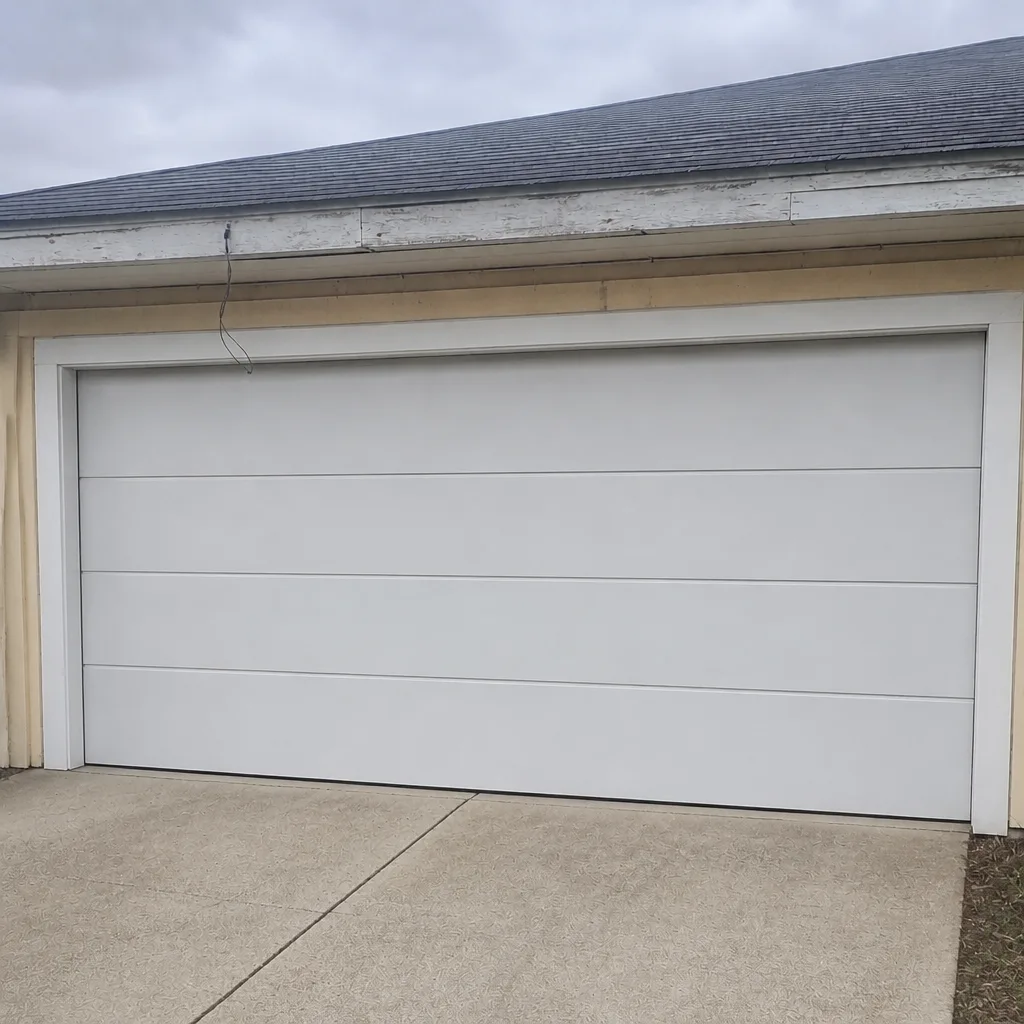 After
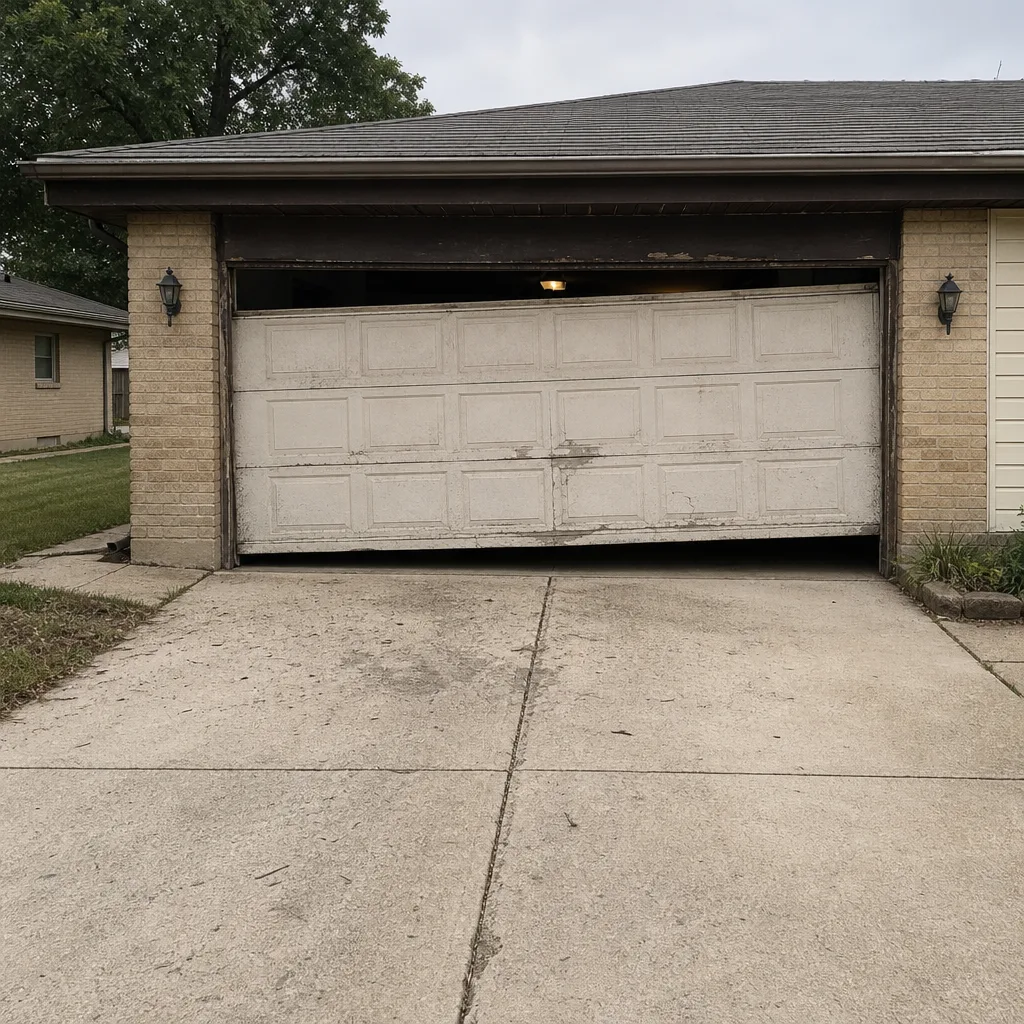 Before
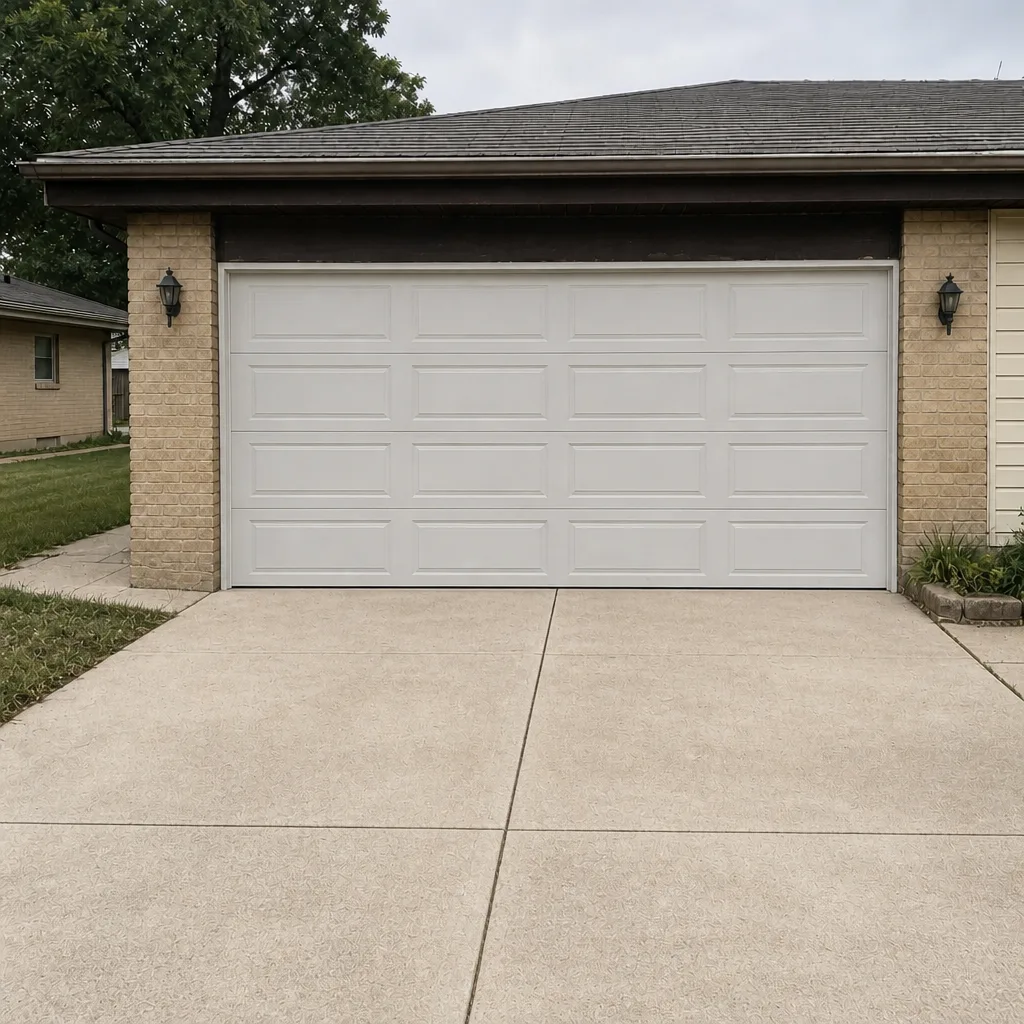 After
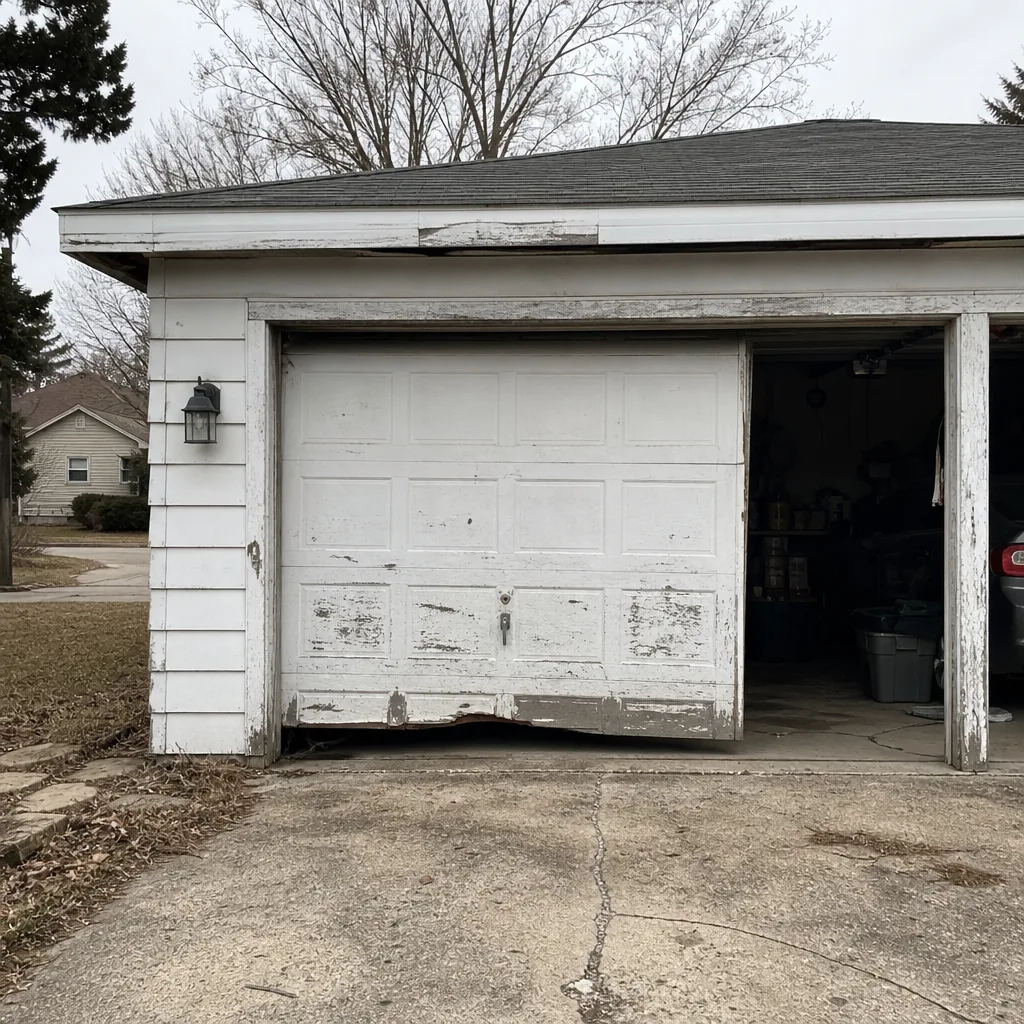 Before
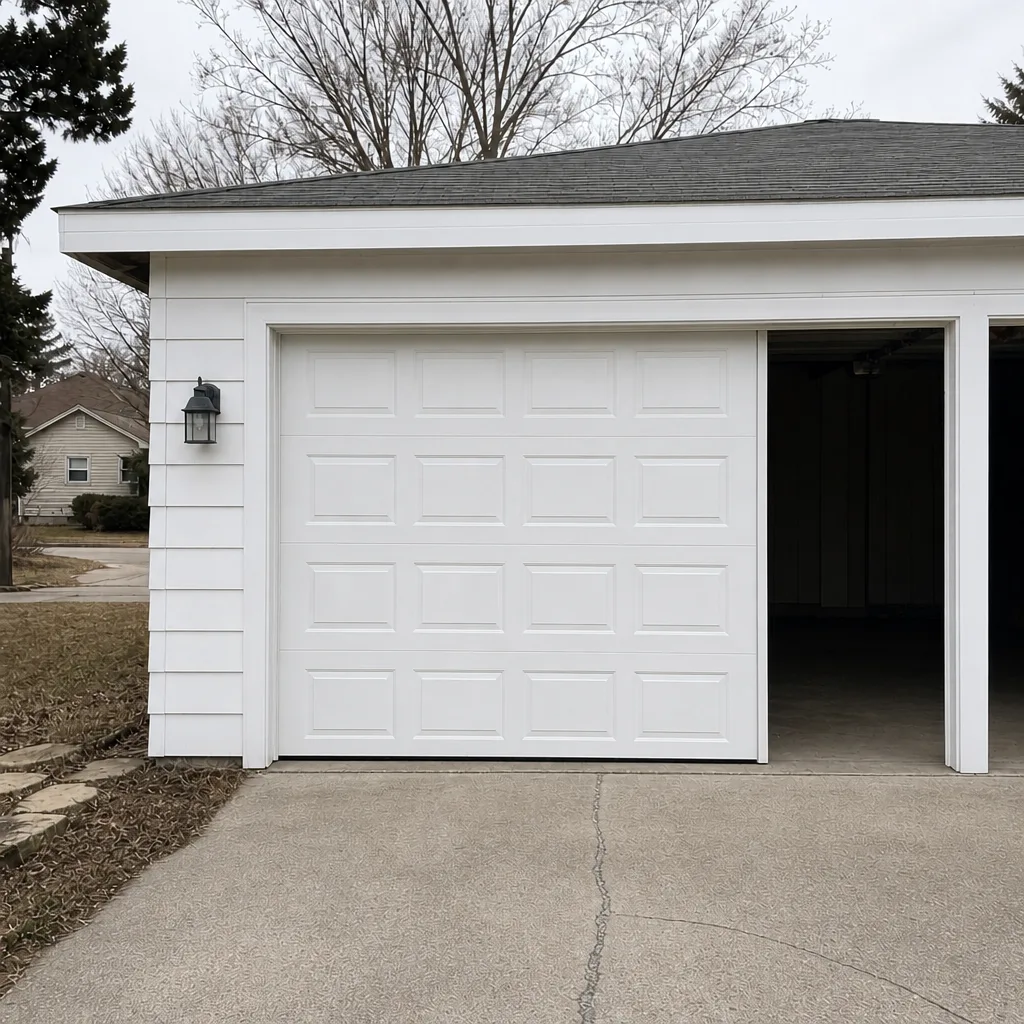 After
When to Call a Professional
Call a garage door specialist when the work involves the springs, the opener’s electrical, the track alignment, or anything on the structural side of the opening. These are the parts of the job where a mistake is dangerous – not inconvenient, actually dangerous. A torsion spring under tension can cause serious injury if it’s mishandled, and a door that isn’t anchored correctly is a safety risk for everyone in your household. We recommend a trained professional for any spring work, any header reinforcement, and any electrical wiring for an opener, without exception. If you’re not sure whether your project is a permit situation, that’s a call to make to the city first and to us second. Remington Garage Door Repair offers free estimates in Joliet – call (888) 857-5215. We answer 24/7, with fast dispatch from 7am to 7pm, Sunday through Friday.
Frequently Asked Questions
Not usually, if you’re installing a new door into the same opening with no structural changes. You do need a permit if the project involves a header change, a resized opening, a new rough opening, or new electrical work for an opener. When in doubt, call the City of Joliet building department and describe the work in one sentence. Call (888) 857-5215 for an estimate on the installation itself.
The contractor pulls it when the contractor is doing the work. In Illinois, homeowners can pull a permit as owner-builders in many jurisdictions, but for garage door projects that go beyond a like-for-like swap, you want the contractor’s name on the record. Ask before work starts. Call (888) 857-5215 – we’ll tell you whether your project crosses that line.
The problem usually surfaces at resale, when a title company or buyer’s inspection flags the discrepancy. Sellers in Illinois have a legal duty to disclose known material defects, and unpermitted work counts. The fixes are disclosing it, retroactively permitting it (if the jurisdiction allows), or undoing the change. Call (888) 857-5215 if you need the work corrected to code.
The most common reason is a safety reverse that doesn’t work – either the photoelectric eyes or the pressure reverse. The second most common is anchoring that isn’t into solid framing. Both are cheap fixes before the inspection and expensive problems after. Call (888) 857-5215 for a free estimate on corrections.
It depends on whether your address is inside the incorporated city limits. Properties inside Joliet city limits answer to the City of Joliet building department. Properties in unincorporated areas on the fringe answer to Will County or Kendall County, even if they carry a Joliet mailing address. Your property tax bill lists the correct jurisdiction. Call (888) 857-5215 if you want to talk through your specific project.
No. The written estimate sets the price, and the price is quoted and agreed before any work starts. If something unexpected comes up during installation, we stop and talk to you about it before doing anything that changes the number. Call (888) 857-5215 for a free estimate.
The Bottom Line
Most Joliet garage door replacements don’t need a permit. The ones that do – header changes, opening resizes, new rough openings, electrical added for an opener – are the ones that create problems at resale if the permit gets skipped. Understand which jurisdiction covers your address, ask the contractor who’s pulling the permit, and get the estimate in writing before anyone touches your door. If you’re not sure which side of the line your project falls on, call (888) 857-5215. We answer 24/7. Fast dispatch from 7am to 7pm, Sunday through Friday. Whether you’re working with us, a competitor, or just trying to understand what the city expects, we’d rather you know before the work starts.
For more on the trade itself, see Remington Garage Door Repair, our garage door opener repair page, and our service area around Joliet. You’ll find detailed guidance on springs, openers, and installs across the site, all written from the perspective of a team whose entire trade is garage doors.
Written by the team at Remington Garage Door Repair.