
Last updated November 15, 2026
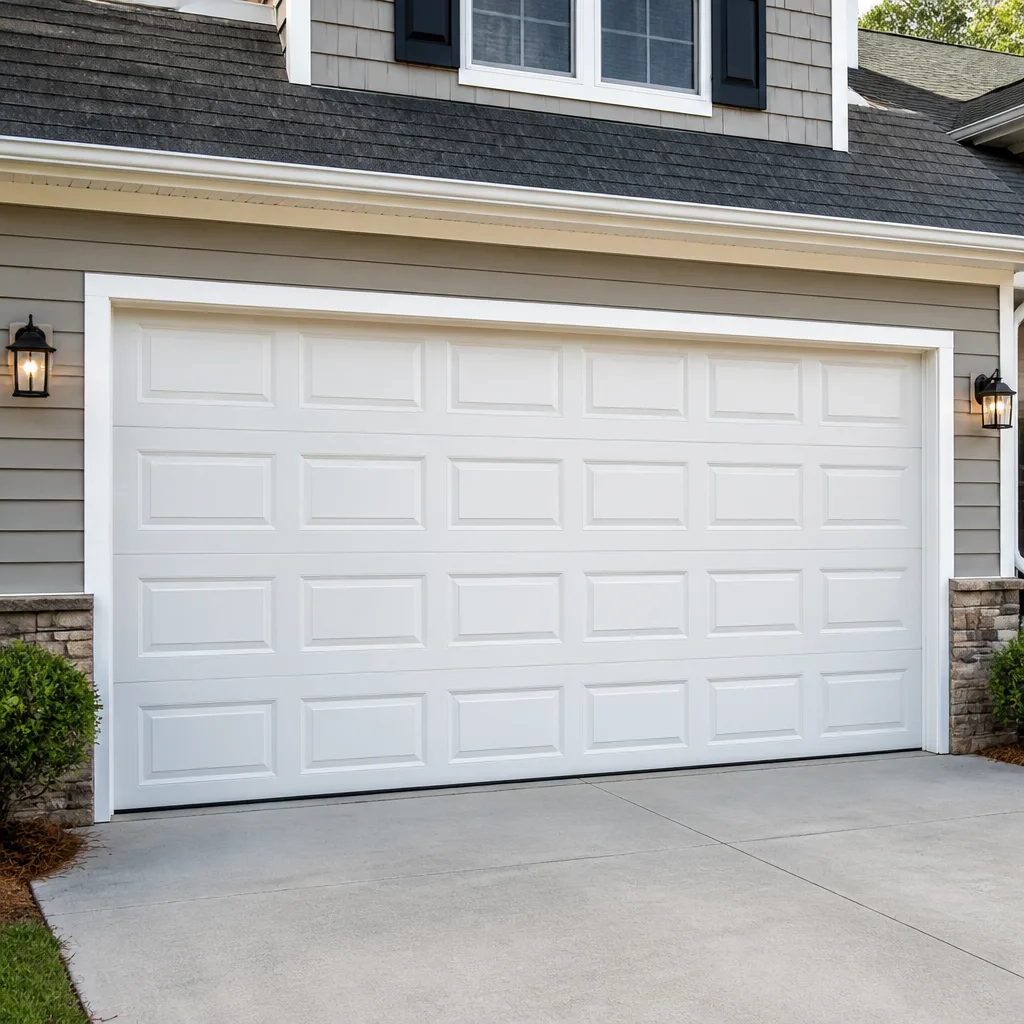 Raised-panel steel
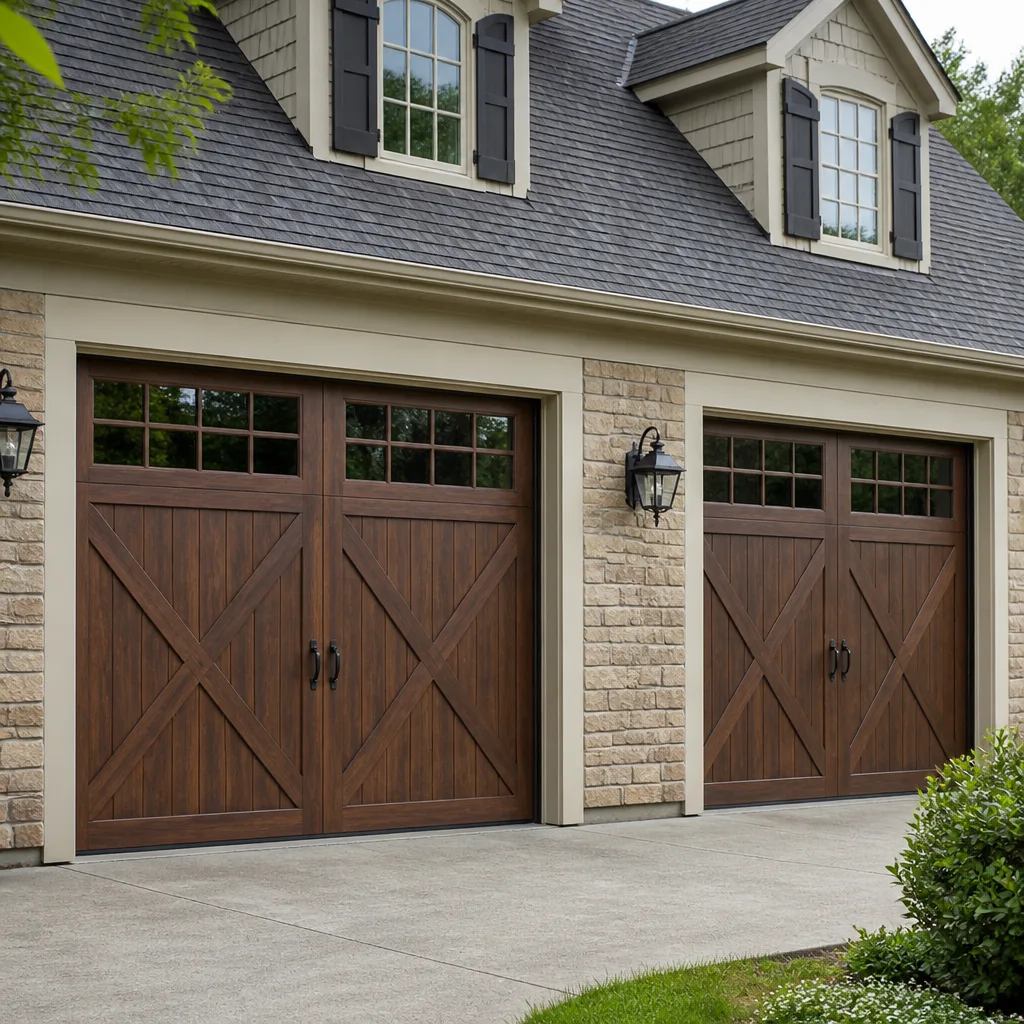 Carriage house
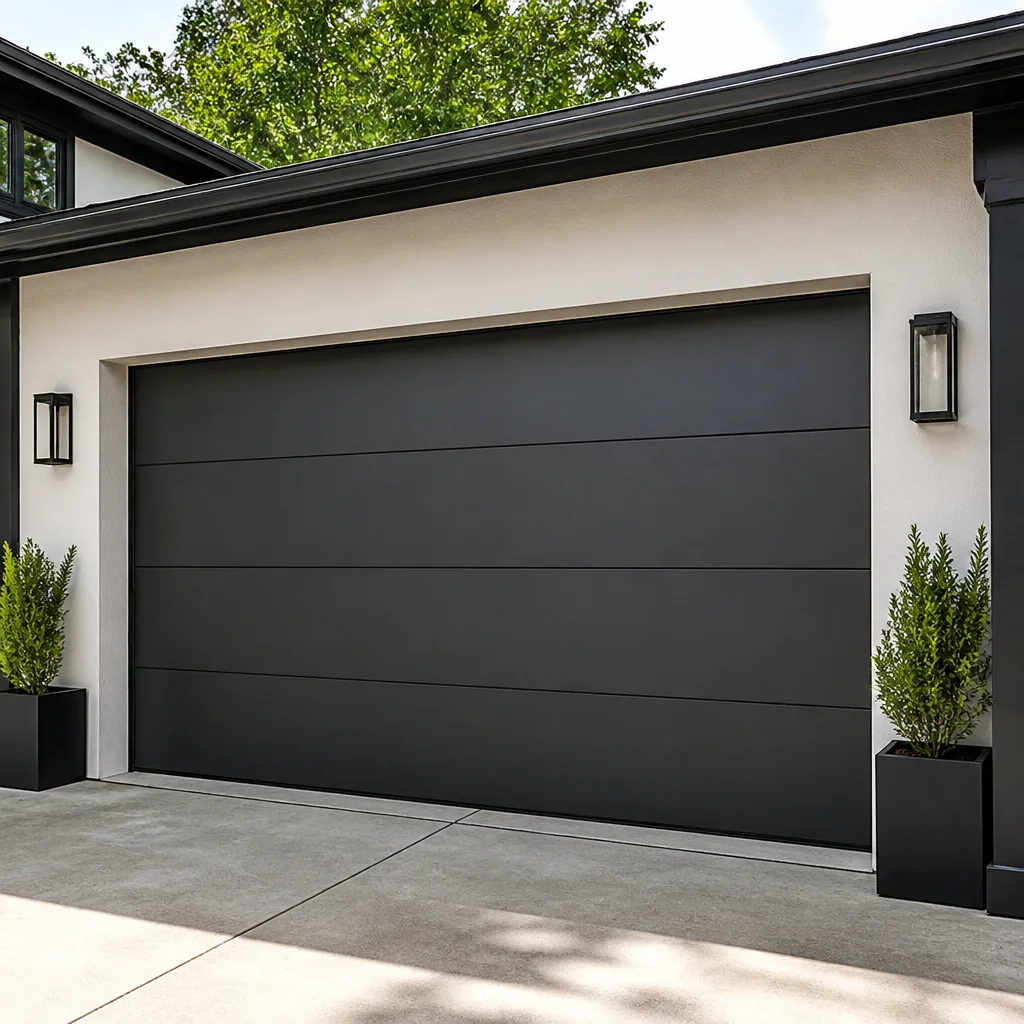 Modern flush
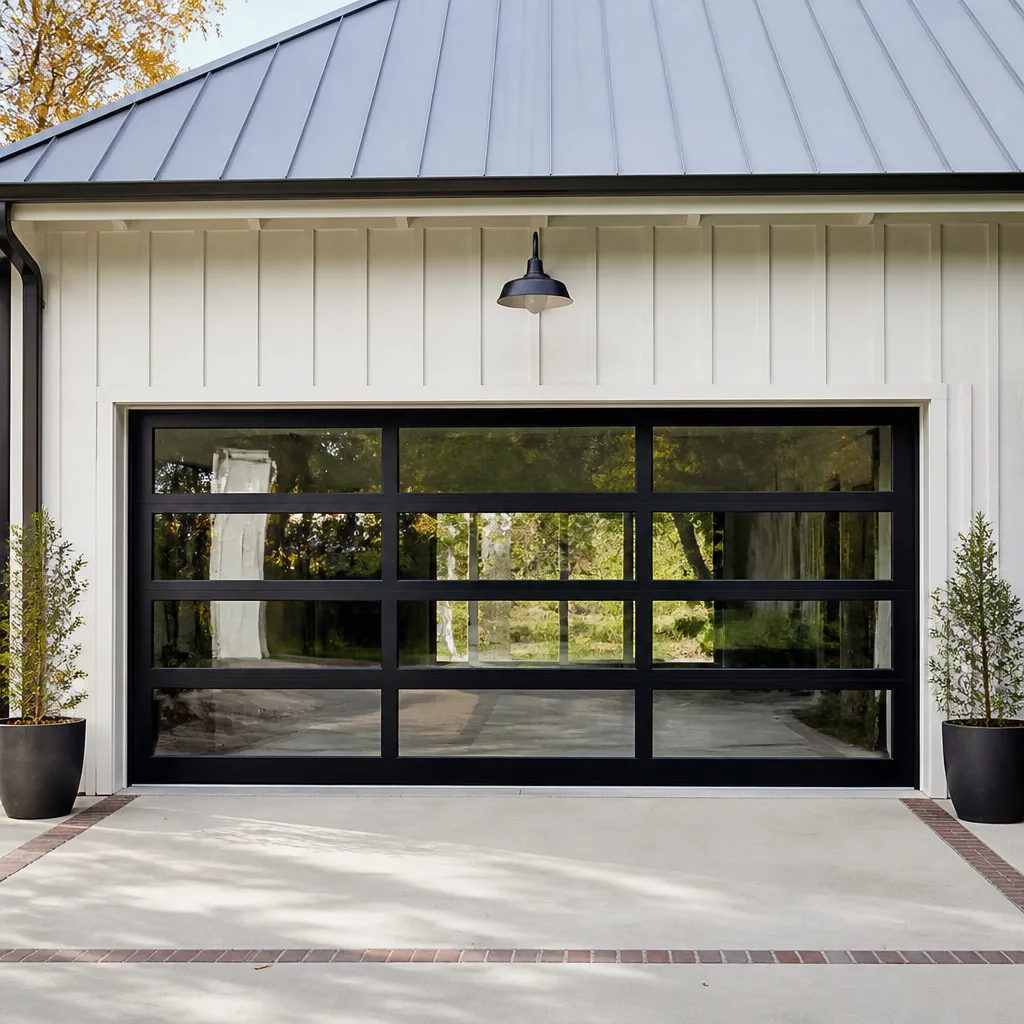 Full-view glass
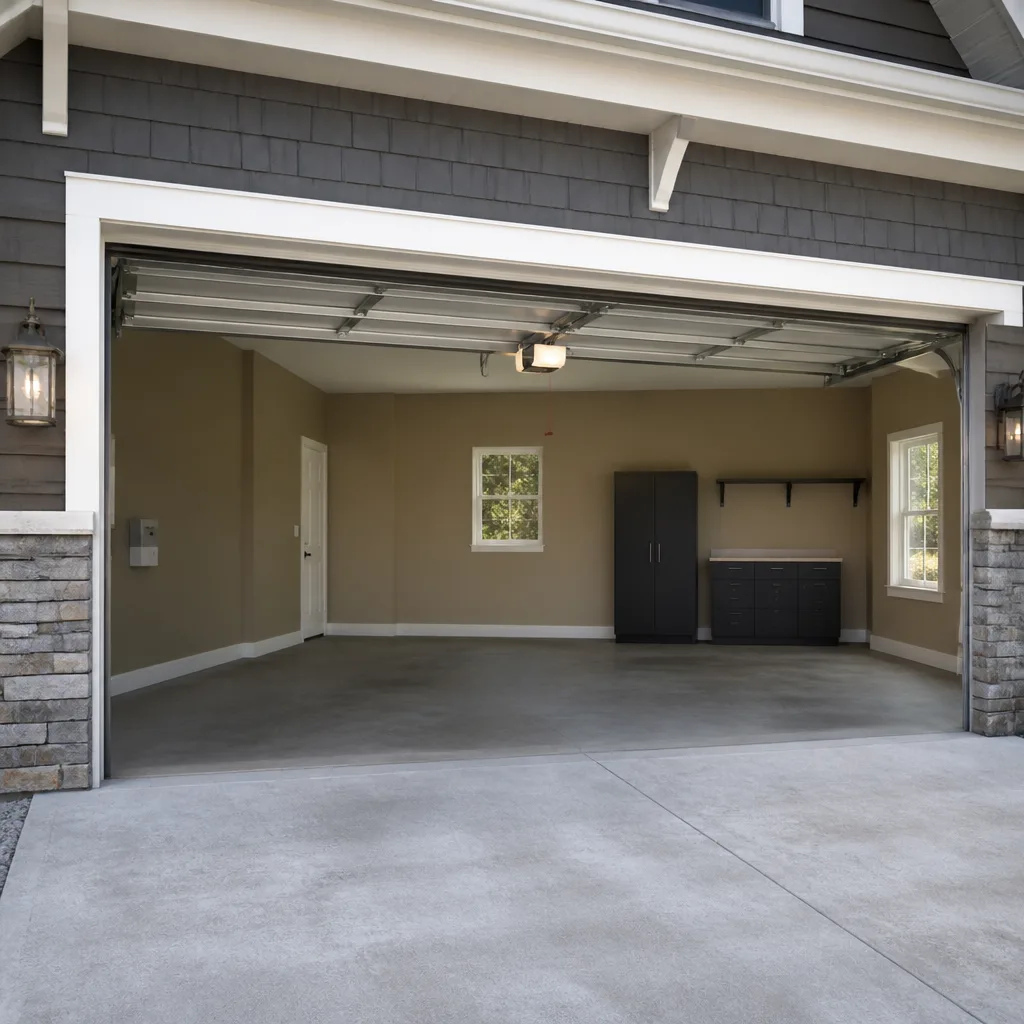 LiftMaster openers
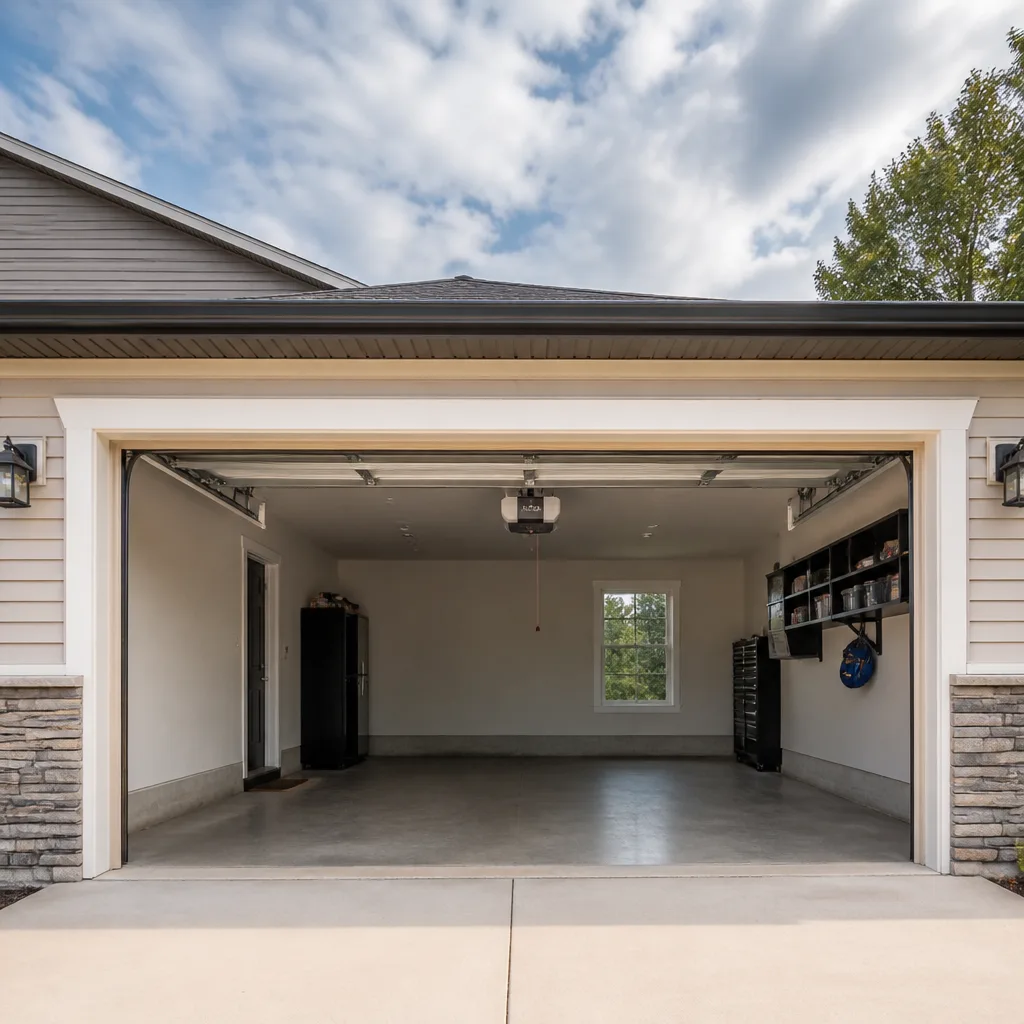 Chamberlain openers
Full 25-point door and opener safety check with every visit - springs, cables, rollers, tracks, and your LiftMaster or Chamberlain opener included
You get a price before we start. It does not change when the pro arrives.
Get your free estimateGarage Door Repair Troubleshooting in Joliet: Common Problems and How to Fix Them
Most homeowners start troubleshooting at the symptom: the door won’t open, it opens halfway, it makes a noise. That’s backwards. A door that “won’t open” could mean nine completely different things, and the fix for one can make another worse if you start in the wrong place. In our experience, the faster path is to diagnose by system instead of by symptom. Which of the five mechanical systems is actually failing? Once you know that, the answer is obvious: some things are safe to adjust yourself, and some carry real injury risk. This guide walks through that framework for Joliet homeowners, from the spring system to the safety sensors, with the specific failure patterns our northern Illinois temperature swings create.
Quick Answer
Garage door problems in Joliet almost always trace back to one of five systems: springs, tracks and rollers, the opener, cables, or safety sensors. Start by identifying which system is failing, not which symptom you’re seeing. Sensor alignment, remote reprogramming, and lubrication are safe DIY fixes. Torsion springs, cables under tension, and anything electrical should go to a trained technician.
Styles & brands we work with
- Raised-panel steel
- Carriage house
- Modern flush
- Full-view glass
- LiftMaster openers
- Chamberlain openers
Table of Contents
- Why Diagnosing by System Beats Diagnosing by Symptom
- The Spring System: Snapped Springs and What They Sound Like
- The Track and Roller System: Grinding, Binding, and Misalignment
- The Opener System: Humming, Clicking, and Nothing at All
- The Cable System: The One You Should Never Touch
- The Safety Sensor System: The Easiest Fix in the Book
- How Joliet’s Temperature Swings Create Failure Patterns
- Your 60-Second Visual Inspection Before You Call
Why Diagnosing by System Beats Diagnosing by Symptom
Here’s the pattern we see most often: a homeowner hears a pop, sees the door hanging crooked, and assumes the opener is broken because that’s the part with a motor. They call an opener repair company first. The opener is fine. The spring is snapped. This happens because symptoms overlap across systems. A grinding noise could be rollers, or it could be a track that’s out of plumb. A door that reverses for no reason could be a sensor, or it could be a limit switch inside the opener.
Diagnosing by system means asking a different question first: what does the door do when it’s disconnected from the opener? That single test separates the mechanical door (springs, cables, tracks, rollers) from the powered system (motor, sensors, remotes). Pull the release cord, and try to lift the door by hand. A properly balanced door lifts with one hand and stays where you leave it. If it’s heavy, drops, or won’t budge, the problem is mechanical, and the opener is innocent.
This matters for cost, too. Spring repairs and opener repairs are different jobs with different parts, and knowing which one you need means you won’t get quoted for the wrong fix. It also means when you call, you can describe the actual problem instead of the symptom, which shortens the conversation and often shortens the visit.
Our technicians have up to 9 years of experience working on garage doors across Joliet, and the pattern is consistent: the more precisely a homeowner describes what the door is doing, the faster we can tell them what’s wrong. That’s why we built this guide around systems. It’s also why, when someone calls us for Remington Garage Door Repair, we ask what the door does rather than what it sounds like.
The Spring System: Snapped Springs and What They Sound Like
A snapped torsion spring announces itself with a loud bang that sounds like a gunshot, often followed by the door refusing to lift or lifting a few inches and stopping. Extension springs, common on older doors, stretch along the sides and can snap with a whip-like crack. Either way, the door’s weight is no longer supported, and that’s the danger. A door with a broken spring is holding hundreds of pounds of tension that no opener can safely lift.
Torsion springs mount on a shaft above the door. Extension springs run parallel to the tracks. The type matters for repair because mounting, winding, and tooling are different for each, and getting them wrong is one of the top reasons a door fails again after a repair.
Safety caveat: torsion springs and the winding bars that hold them are under extreme tension. Adjusting or replacing them without the right training and tools can cause serious hand and arm injuries. We don’t recommend DIY spring work. What you can safely do is identify the problem: look above the door for a visible gap in the coil, and look along the side tracks for a stretched or dangling extension spring. Then stop and call a professional.
Spring replacement is quoted per spring. A door with two springs usually needs both replaced together, matched to the door’s weight, since a single new spring fighting an old one wears out faster. Ask for a written estimate that names the springs being replaced, the gauge and cycle rating, and the total. That detail tells you you’re getting a matched pair rather than a guess.
The Track and Roller System: Grinding, Binding, and Misalignment
Grinding that gets louder as the door moves usually points to worn rollers or a track that’s out of alignment. Rollers wear out gradually, and the nylon or steel wheels that ride the track can flat-spot or seize. A seized roller drags against the track and produces a scraping sound. A bent track produces a bump or bind at the same spot every cycle.
Track problems are common in Joliet after a hard freeze. Metal contracts in cold weather, and the gap tolerances that were fine in October can bind in January. A door that runs fine in summer and sticks in winter is often a track-and-roller issue, not an opener issue.
What you can check safely:
- Look along each vertical track for bends or dents.
- Check that the tracks are plumb by eye, using the door frame as a reference.
- Inspect rollers for flat spots, cracks, or wobble.
- Listen for a repetitive scrape at the same point in the travel, which points to a specific roller or track section.
What we don’t recommend is forcing a bent track back into shape with a hammer or prying rollers out. Tracks carry the door’s whole weight and guide it squarely. A track that’s “mostly fixed” can let the door jump the rail, which is a much bigger problem than the one you started with. If the track is visibly bent or the door is binding, call a technician. This is a repair, not a replacement, in most cases, and it’s part of what we handle under garage door repair.
The Opener System: Humming, Clicking, and Nothing at All
Opener symptoms are the most misunderstood because the motor is the visible, obvious component. Start with sound. A hum with no movement usually means the motor is running but the drive isn’t engaging: a stripped gear, a broken belt or chain, or a door that’s locked or disconnected from the opener. A click with no hum usually points to a logic board or a safety circuit cutting power. Complete silence often means a tripped breaker, a dead outlet, or a remote that’s lost its programming.
What the sound tells you
- Humming, door doesn’t move: motor runs, drive train doesn’t engage. Check the manual lock and the release cord first; if the door is disconnected, the opener will hum happily forever.
- Clicking: relays or the logic board trying to start. Often a safety sensor or a limit switch issue.
- Grinding from the opener head: worn gears, common on older units.
- Nothing at all: power, remote programming, or the wall control.
Remote and keypad problems are genuinely DIY-safe. Reprogramming a remote on a Chamberlain or Genie unit is a matter of pressing the learn button and following the pairing sequence. If your opener is a myQ-enabled LiftMaster or Chamberlain, check the app before you assume the remote is dead. Wi-Fi openers sometimes lose connection after a router change, and the fix is a re-pair, not a repair.
What’s not DIY-safe is opening the opener housing to replace gears or the logic board. Capacitors hold a charge, and the drive components are under spring tension. Our garage door opener repair service covers the top brands, including Genie and Chamberlain, and our technicians arrive already familiar with the unit’s wiring and programming sequence rather than reading a manual on your driveway.
The Cable System: The One You Should Never Touch
Cables run from the bottom corners of the door up to the springs and drums, and they carry the same load the springs do. A snapped cable shows up as a door that hangs crooked, lifts on one side, or won’t close flush. You may see frayed strands or a cable that’s jumped its drum. The drum is the spool the cable winds around, and when a cable comes off it, the door can drop on one side.
Treat this system as off-limits for DIY. Cables are under high tension, and a cable that lets go can whip with enough force to cause serious injury. There is no safe field test for a homeowner beyond a visual look. What you can do:
- Look at both bottom corners and confirm the cables are seated on their drums.
- Check for frayed or kinked strands near the drum and at the bottom bracket.
- Look for a door that’s uneven by more than a few inches side to side.
- Stop there. Don’t touch, cut, or loosen any cable, and don’t try to re-seat one on the drum.
A crooked door with a cable problem should not be operated. Every cycle puts more load on the remaining cable and on the springs, and it can damage the door panels or the opener. Call a technician and leave the door closed.
The Safety Sensor System: The Easiest Fix in the Book
Safety sensors sit at the bottom of the tracks, a few inches off the floor, facing each other. When they lose alignment or get obstructed, the door closes partway and reverses. This is one of the most common service calls we get, and it’s also one of the most fixable at home.
Most sensor issues come down to three things: something in the beam, a sensor that’s been bumped out of alignment, or a dirty lens. Here’s the check:
- Clear anything from the door’s path, including a trash can, a bike, or a snow shovel leaning against the wall.
- Look at each sensor’s indicator light. A steady light means the sensor has power and sees its partner. A blinking or dark light points to the problem.
- Wipe both lenses with a dry cloth.
- Check that both sensors point straight at each other and sit at the same height. Even a small bump from a car bumper or a lawn tool can knock one out of line.
- If one light is dark, check the wiring connections at the back of the sensor.
If the sensors are aligned, lit, and clean and the door still reverses, the problem is likely in the opener’s logic or the travel limits, and that’s a technician call. It’s worth saying plainly: a door that reverses is not a door to override. The sensors exist to stop the door on a person, a pet, or an object, and bypassing them defeats the safety system.
How Joliet’s Temperature Swings Create Failure Patterns
Joliet’s weather puts a garage door through a wider range than most of the country. Winter lows around -10°F and summer highs near 90°F mean the door’s metal, grease, and springs cycle through roughly 100 degrees of expansion and contraction over a year. That’s a lot of movement, and it produces a predictable pattern of failures.
Cold-weather failures. Metal contracts, clearances tighten, and the grease in tracks and hinges thickens. Doors that ran clean in autumn start to bind and strain. Springs stressed by cold are more brittle, and winter is when most snap. A door that won’t close in January is often a track-and-roller issue rather than a broken opener, and a door that feels stiff is telling you the lubricant has thickened.
Warm-weather failures. Heat expands the door and can cause panels to bind or stick in the frame. Wood components swell, and metal panels lose a little clearance. Summer is also when opener motors work hardest, since a stiff door plus high heat stresses the motor and the drive train.
The freeze-thaw shoulder seasons. Spring and fall are when we see the most balance complaints: doors that are heavier than they were, or that creep down a little after closing. That’s often the springs losing tension gradually rather than failing suddenly, and it’s the reason a spring can look fine and still be the problem.
Lubrication is the one seasonal task that genuinely helps. A garage-door-specific lubricant on the rollers, hinges, and spring coils before the first hard freeze makes a measurable difference in how the door runs through winter. Don’t use WD-40 as a long-term track lubricant; it attracts dust and gums up. If you’re in Joliet and your door behaves differently in January than it does in July, that’s a diagnostic clue, not a coincidence.
Your 60-Second Visual Inspection Before You Call
A quick inspection won’t fix the door, but it tells a technician exactly where to start, and that shortens the visit. Here’s the sequence we recommend, top to bottom:
- Look up at the springs. A visible gap in a torsion coil means a broken spring. A stretched or hanging extension spring means the same.
- Check the tracks. Look for bends or dents in the vertical tracks, and see if they’re plumb by eye.
- Look at the cables. Check both bottom corners for fraying or a cable off its drum. Don’t touch.
- Test the balance. Pull the release cord, then try lifting the door by hand. It should lift easily and stay put.
- Check the sensors. Confirm both sensor lights are steady, not blinking.
- Listen on a test cycle. Reconnect the door and run it once, listening for where the noise happens in the travel.
Write down what you find. “The door hums but doesn’t move, and the sensor light on the left is blinking” is a much more useful call than “the door won’t work,” and it often lets a technician tell you over the phone whether you’re looking at a spring, an opener, or a sensor. If you’re not comfortable with any step, especially the balance test, skip it and describe what you see. That’s enough to start.
Common Mistakes to Avoid
- Assuming the opener is the problem. Most “opener failures” are mechanical door problems. Test the balance first, before you pay for an opener repair you don’t need.
- Forcing a bent track back with a hammer. Tracks carry the door’s weight and keep it square. An improvised fix can let the door jump the rail, which is a bigger repair than the original problem.
- Treating springs and cables as DIY. Both are under high tension. There’s no safe home fix for a snapped spring or a cable off its drum, and the injury risk is real.
- Overriding or taping over safety sensors. A door that reverses is protecting someone. If the sensors are clean and aligned and it still reverses, call a technician rather than defeating the safety system.
- Using general-purpose oil on the tracks. It attracts grit and gums up in cold weather. Use garage-door-specific lubricant, and apply it before the first freeze, not after the door starts sticking.
- Replacing one spring when both are worn. Matched pairs fail together. One new spring fighting an old one wears out faster, and you’ll be back where you started.
- Ignoring seasonal behavior changes. A door that sticks in January and runs fine in July is telling you something about clearance or lubrication. Catch it early instead of waiting for a failure.
See the difference
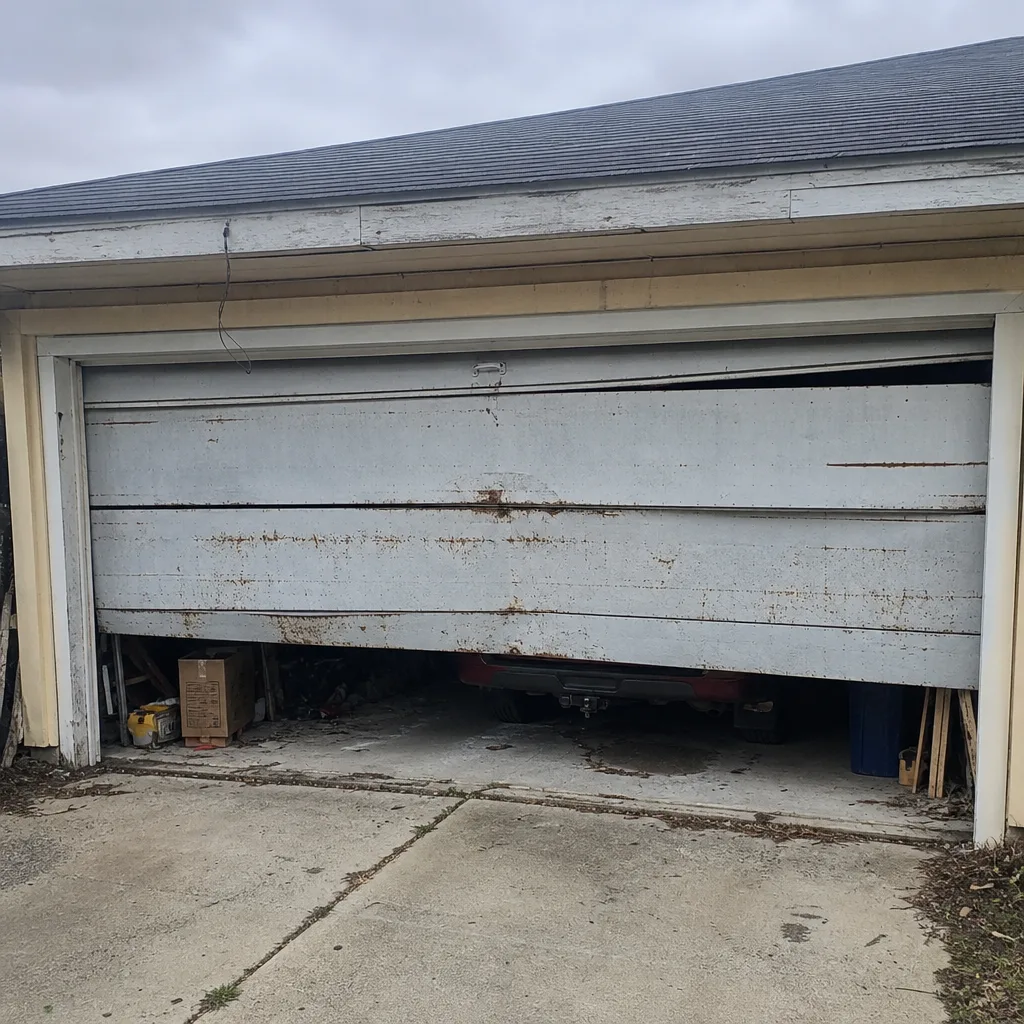 Before
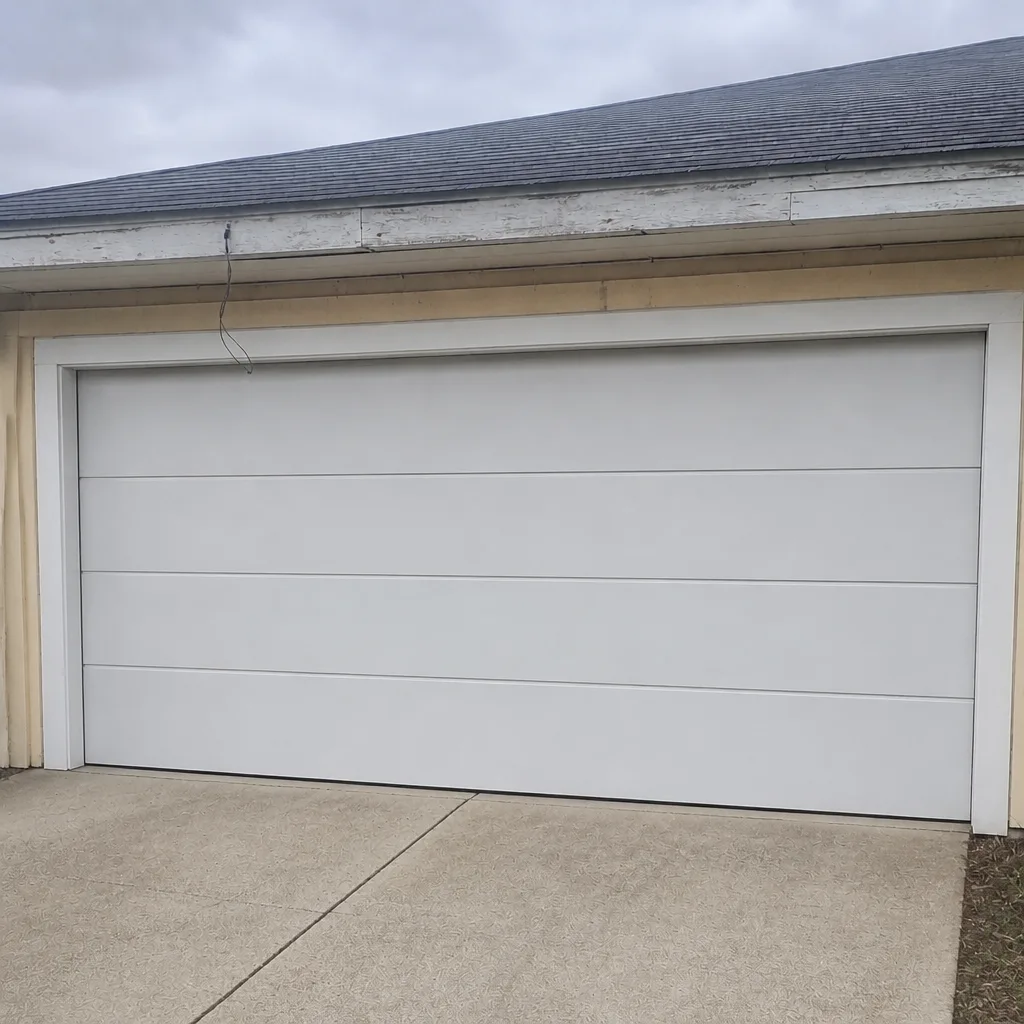 After
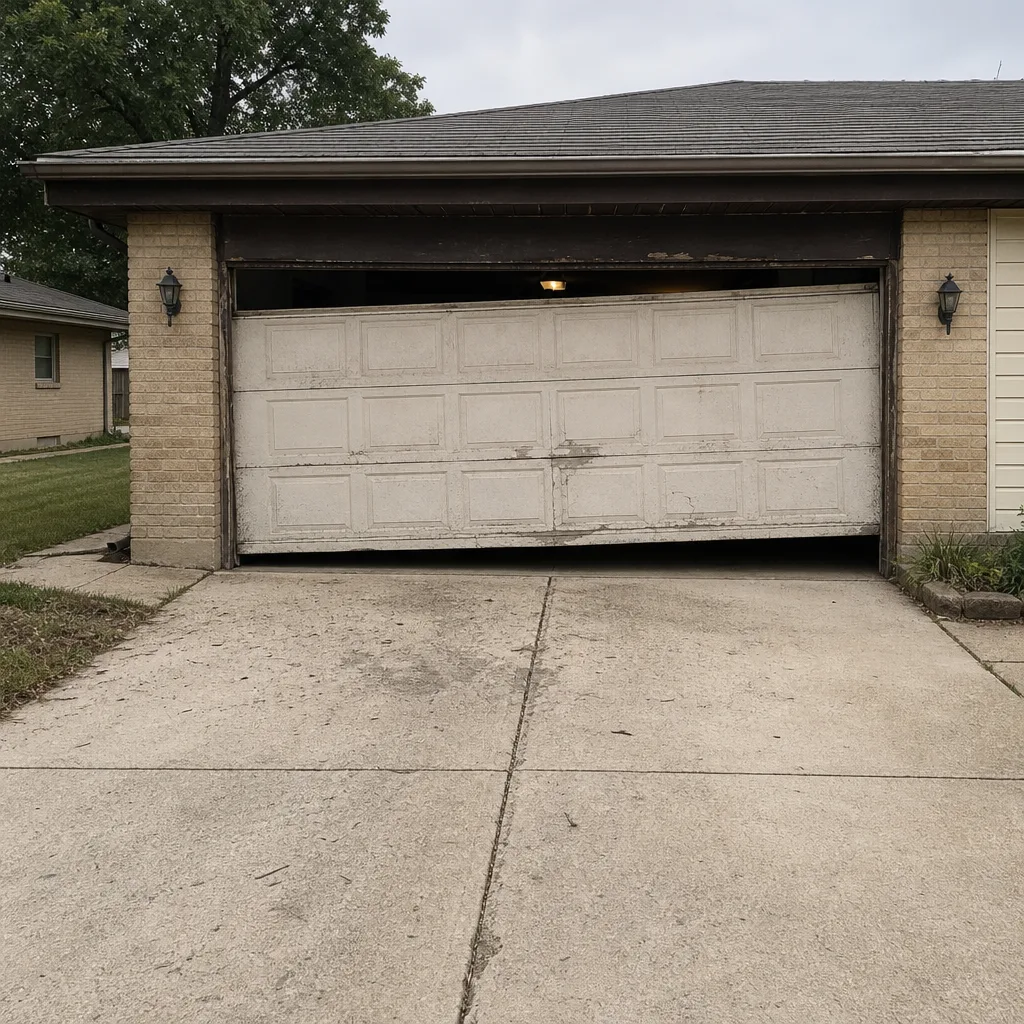 Before
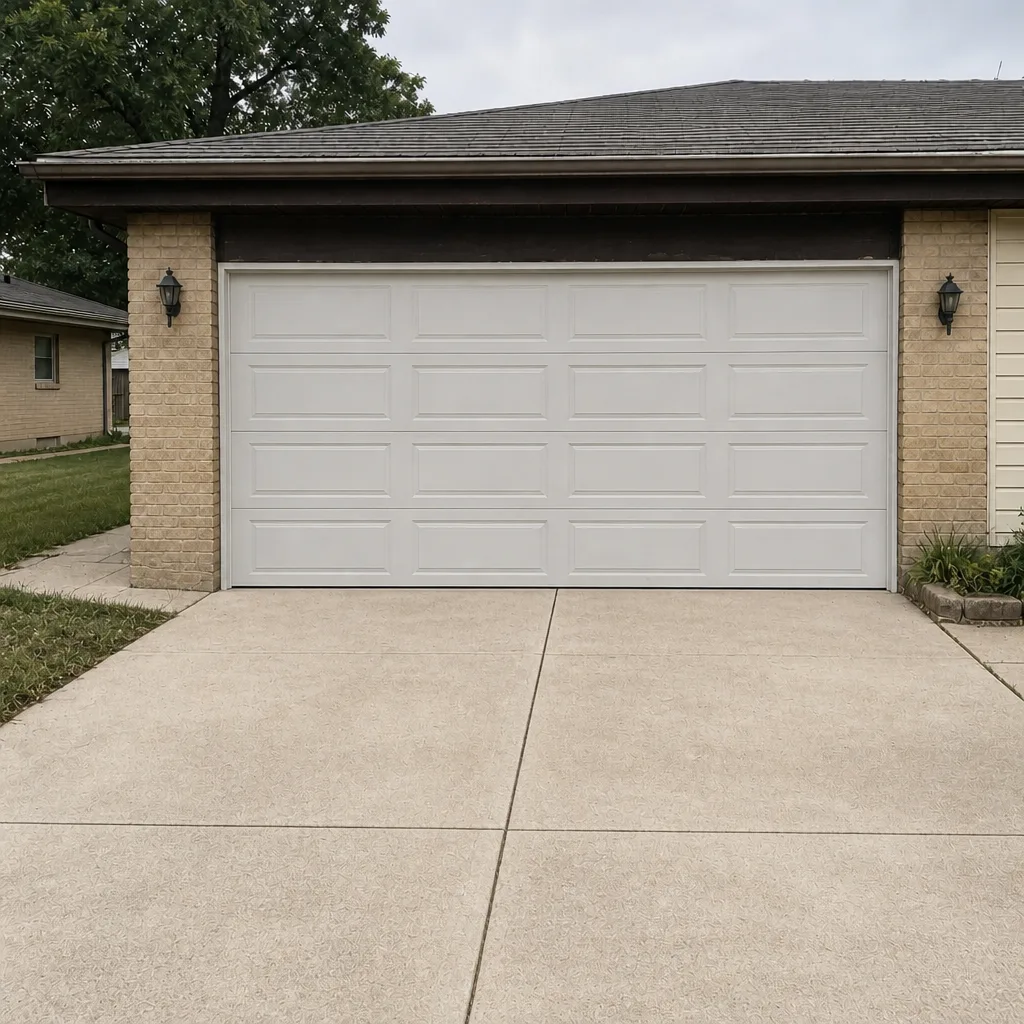 After
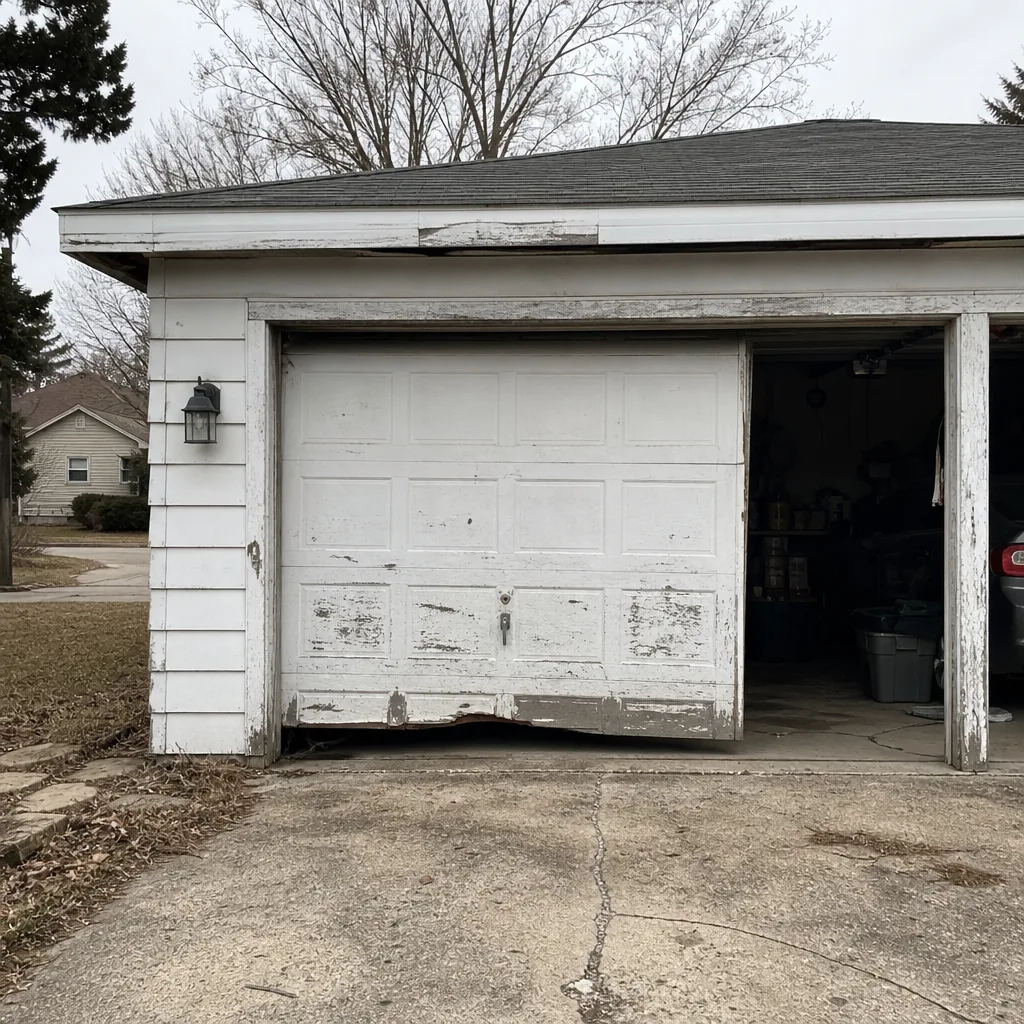 Before
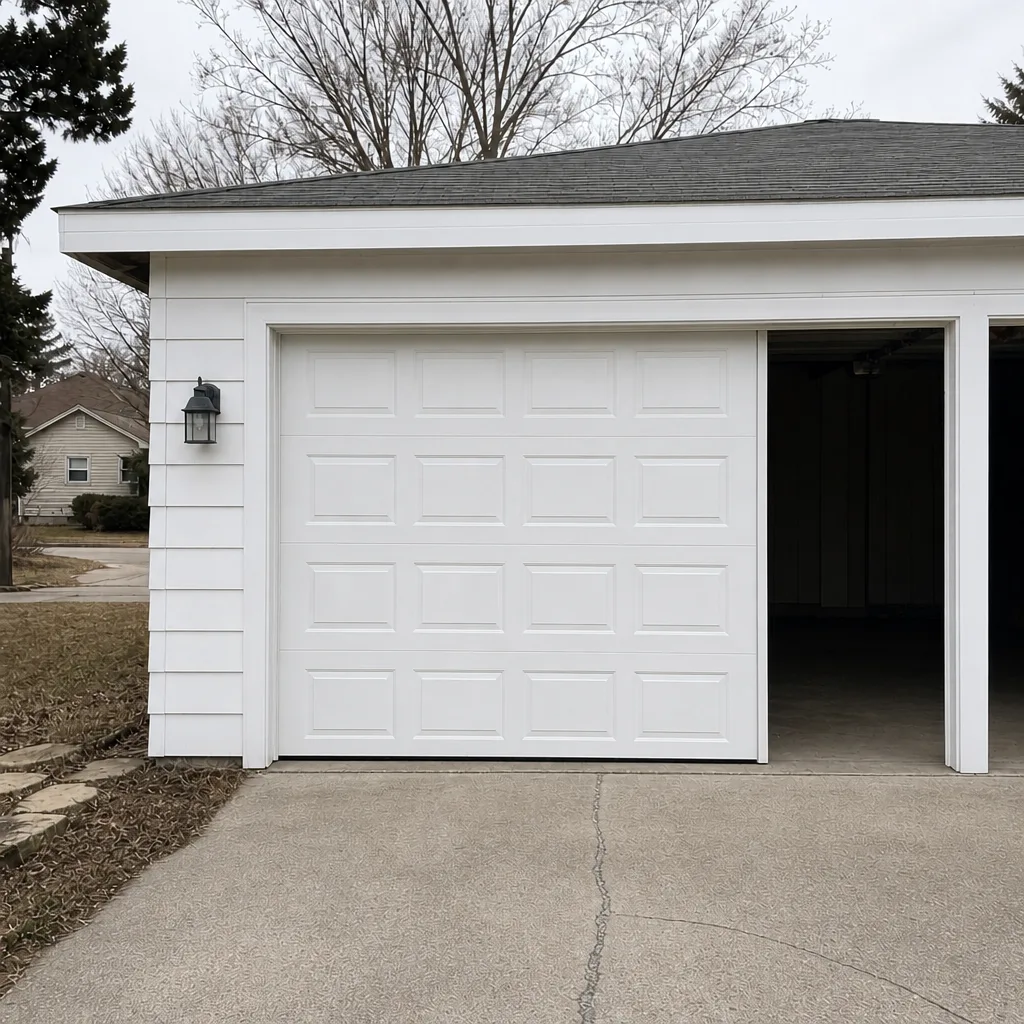 After
When to Call a Professional
Call a technician for any spring or cable problem, any time the door hangs crooked or drops on one side, and any electrical work inside the opener housing. Call if the door reverses after you’ve cleared and cleaned the sensors, or if the opener hums without moving after you’ve confirmed the door is connected. Call if you’re in Joliet and the door binds only in cold weather, since that usually needs a track adjustment rather than a part. And call if you’ve tried a safe fix, like reprogramming a remote or lubricating the rollers, and the problem hasn’t changed. Remington Garage Door Repair offers free estimates in Joliet. Call (888) 857-5215. We answer 24/7. Fast dispatch from 7am to 7pm, Sunday through Friday. The price is quoted and agreed before any work starts, so the written estimate sets the final price.
Frequently Asked Questions
Most common garage door repairs fall into predictable ranges depending on which system failed, and the written estimate you receive sets the final price. Spring repairs, roller and track work, and opener repairs are separate jobs with separate parts. Call (888) 857-5215 for a free estimate.
Same-day service is often possible for repairs when you call during dispatch hours. We answer 24/7. Fast dispatch from 7am to 7pm, Sunday through Friday. Call (888) 857-5215 and we’ll tell you what’s available.
No. We quote the price and get your agreement before any work starts, so the written estimate is the price you pay. If we find something else while we’re there, we’ll tell you and quote it separately before touching it. Call (888) 857-5215 for an exact quote.
Yes. Our technicians are licensed and insured, and they work on garage doors exclusively rather than splitting their time across plumbing, HVAC, and general repairs. Call (888) 857-5215 to book a free estimate.
Usually the door. Grinding in a garage door most often traces to worn rollers or a track that’s out of alignment, not the opener motor. Run the balance test: pull the release cord and lift the door by hand. If it’s heavy or binds, the mechanical system is the problem. Call (888) 857-5215 and we can help you sort it out.
Cold weather contracts metal, tightens clearances, and thickens lubricant, so a door that ran clean in autumn can bind in January. That’s usually a track and roller issue rather than a broken opener, and a technician can adjust it. Call (888) 857-5215 for a free estimate.
The Bottom Line
Diagnose by system, not by symptom. A door that won’t open could be a spring, a cable, a track, a sensor, or the opener, and the fix for the wrong one wastes money and can make the problem worse. Check the springs and cables visually, test the balance with the release cord, and confirm the sensor lights before you call. Sensor alignment, remote reprogramming, and lubrication are safe to handle yourself. Springs, cables, and anything inside the opener housing belong to a technician. If you’re in Joliet and you’re not sure which category you’re in, a quick call sorts it out.
For expert garage door repair and installation in Joliet, call Remington Garage Door Repair at (888) 857-5215 for a free estimate. We service LiftMaster, Chamberlain, Genie, Clopay, Amarr, Wayne Dalton, Craftsman, and Raynor systems, and we’ll tell you honestly whether you need a repair or a replacement. We answer 24/7. Fast dispatch from 7am to 7pm, Sunday through Friday.
Written by the team at Remington Garage Door Repair.