
Last updated November 15, 2026
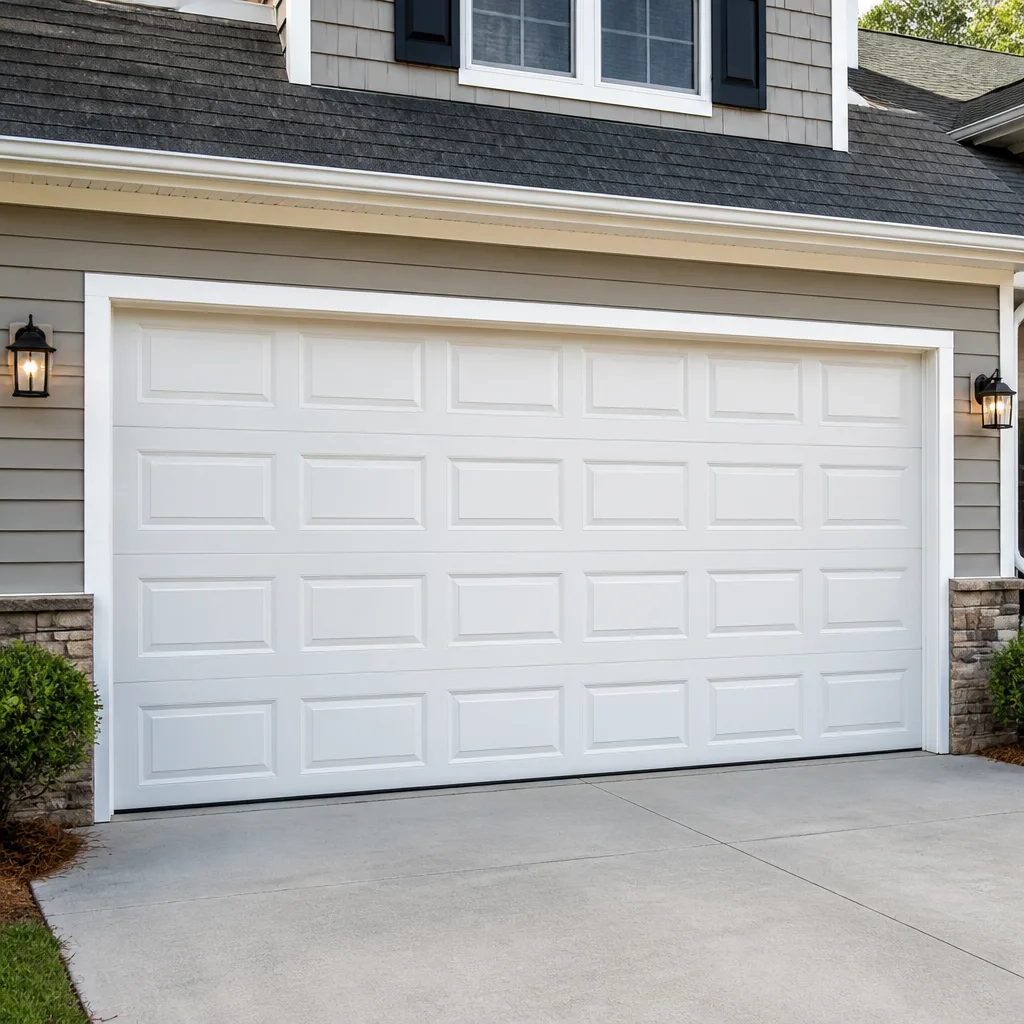 Raised-panel steel
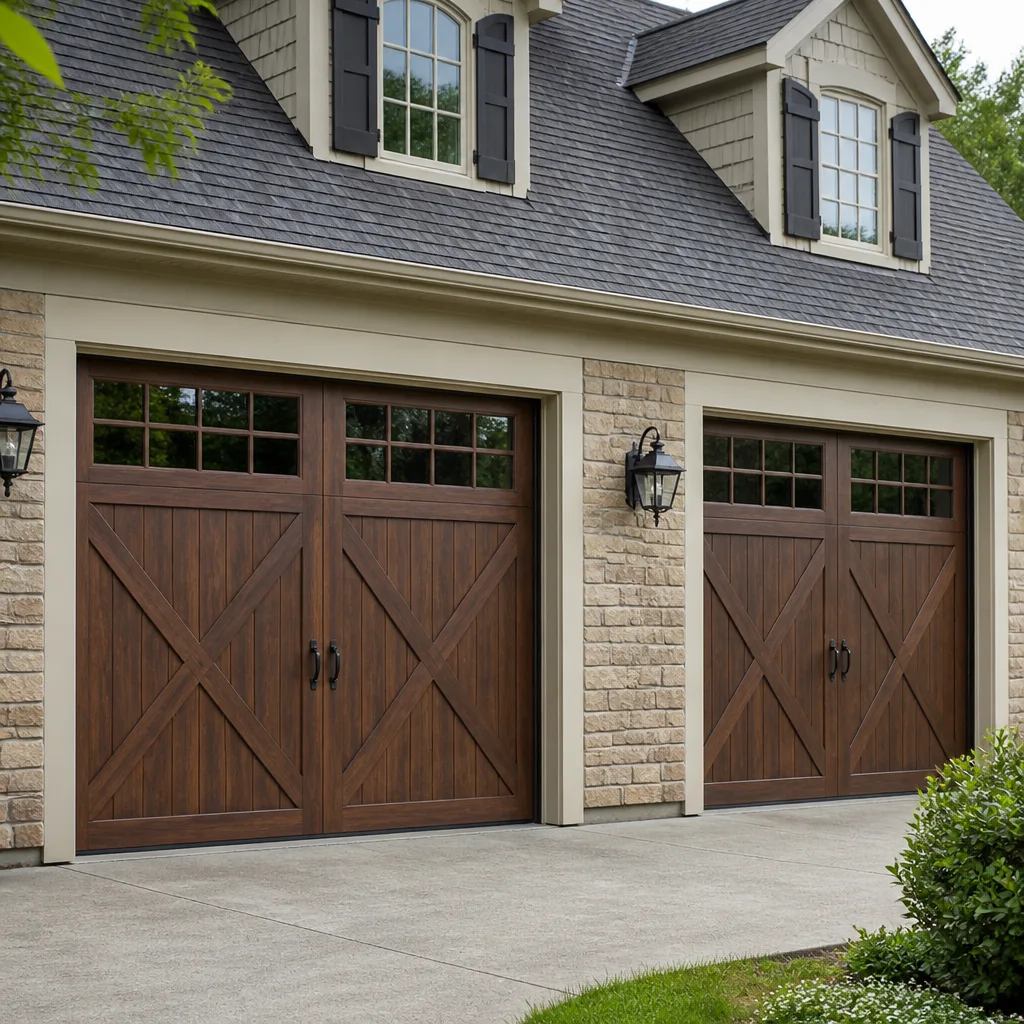 Carriage house
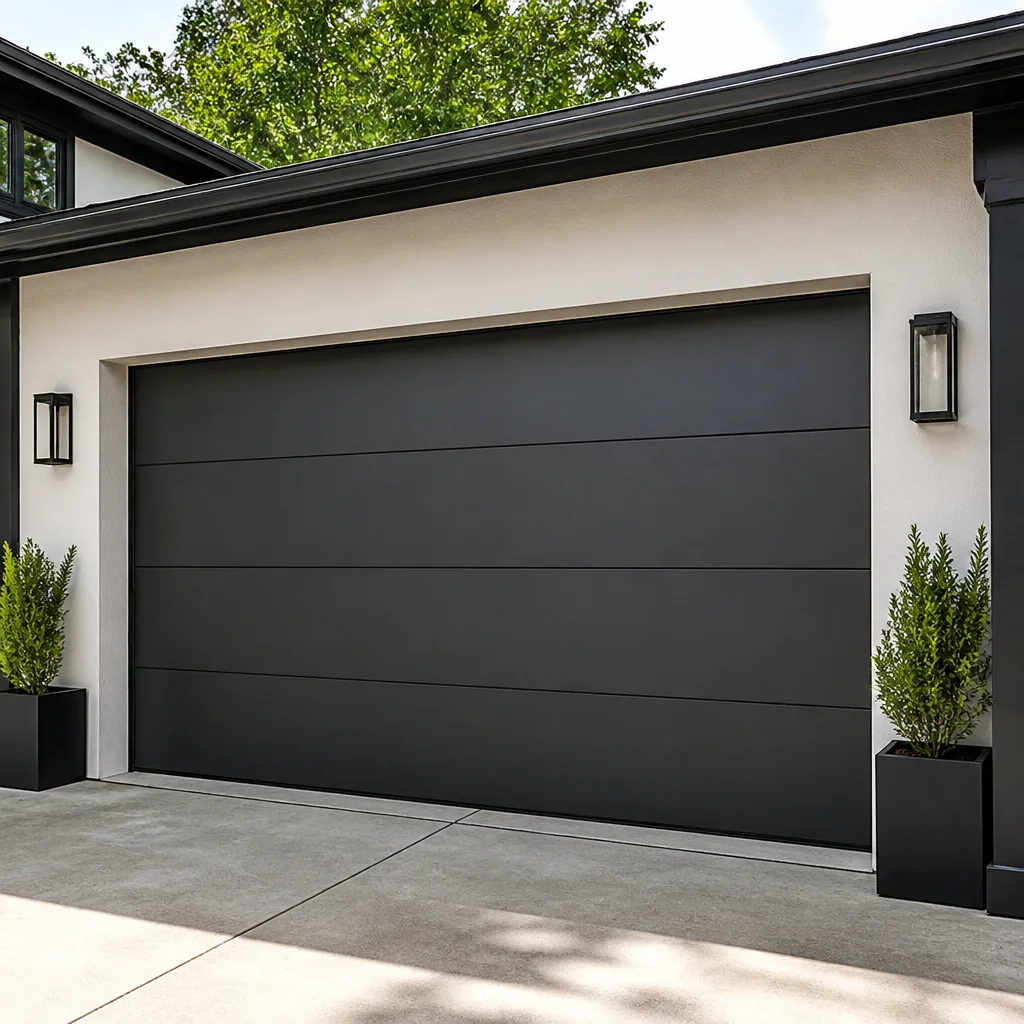 Modern flush
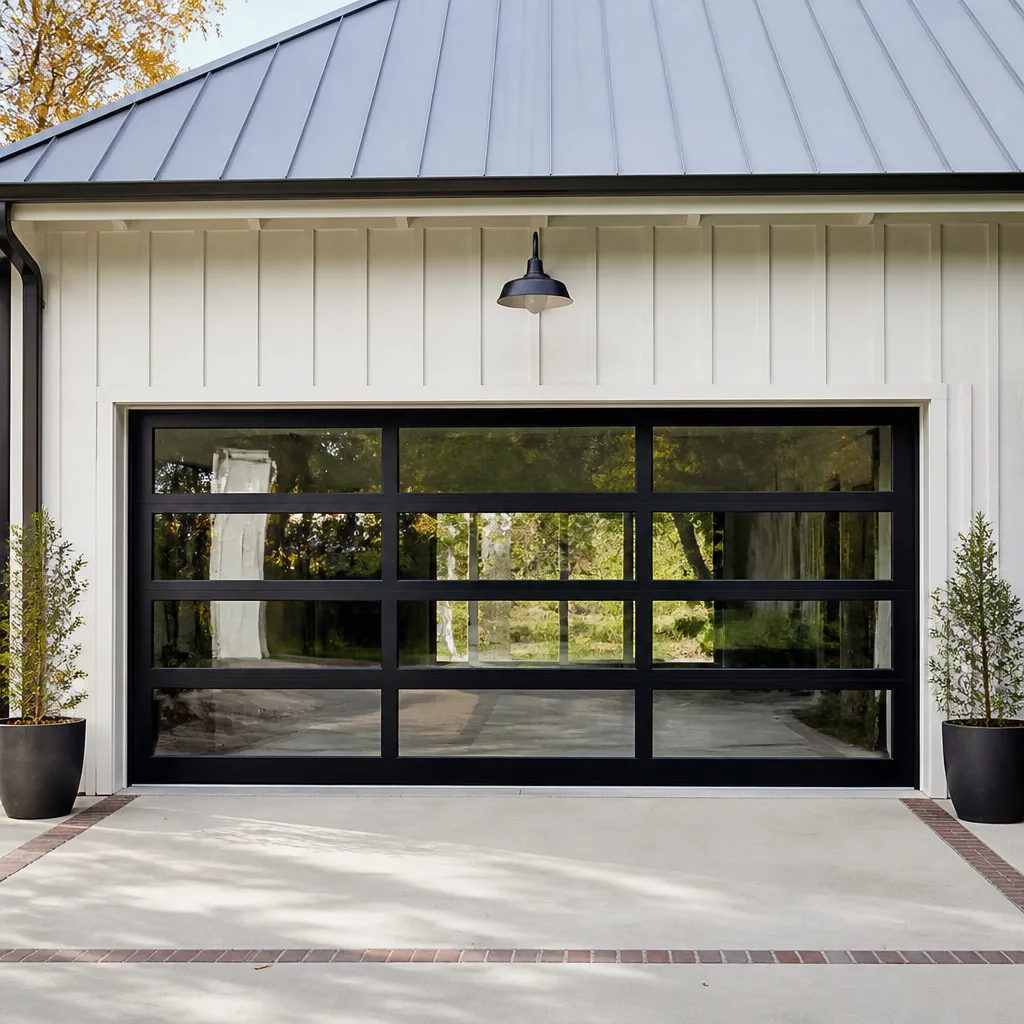 Full-view glass
 LiftMaster openers
 Chamberlain openers
Full 25-point door and opener safety check with every visit - springs, cables, rollers, tracks, and your LiftMaster or Chamberlain opener included
You get a price before we start. It does not change when the pro arrives.
Get your free estimateSeasonal Garage Door Care for Joliet: Year-Round Homeowner’s Guide
The spring that snaps in January didn’t fail in January. It was already compromised in October, when the first hard freeze moved in and the steel contracted on coils that had been quietly wearing since spring. That’s the part most maintenance advice skips. A garage door in Joliet doesn’t face one season of wear; it faces four genuinely different stress regimes, each one attacking a different part of the system. Cold stiffens springs and freezes seals to the floor. Thaw pulls cables and rollers loose. Summer humidity swells wood frames and thins lubricant. A single “check it twice a year” routine misses the specific window when each failure is most preventable. This guide walks through all four, so you can time the work to Joliet’s actual weather instead of a generic calendar.
Quick Answer
Seasonal garage door care in Joliet means matching maintenance to what each season does to the door: prep the bottom seal, tracks, and springs in fall before the first freeze; avoid forcing a frozen door in winter; inspect cables and rollers in spring after the thaw; and shift your lubrication schedule in summer once humidity and heat climb. The goal is to catch each type of failure in the season before it actually breaks.
Styles & brands we work with
- Raised-panel steel
- Carriage house
- Modern flush
- Full-view glass
- LiftMaster openers
- Chamberlain openers
Table of Contents
- Why Joliet’s Climate Hits a Garage Door Four Different Ways
- Fall Garage Door Prep: October Through November
- Winter: What to Do When the Door Freezes to the Floor
- Spring: The Highest-Risk Season for Cables and Rollers
- Summer: Humidity, Wood Frames, and a Different Lubrication Schedule
- Building a 12-Month Maintenance Calendar Around Joliet’s Climate
- What You Can Check Yourself vs. What Needs a Technician
Why Joliet’s Climate Hits a Garage Door Four Different Ways
Joliet sits in northern Illinois, which means real winters with repeated freeze-thaw cycles, springs that swing hard between cold and warm, and summers that run humid for weeks at a stretch. Each of those conditions stresses a different part of the garage door system. The metal doesn’t simply get old; it expands, contracts, and gets worked by temperature change month after month.
Here’s how the stress distributes across the year:
- Fall into winter: springs get brittle as temperatures drop, rubber seals stiffen, and any moisture in the tracks can freeze.
- Deep winter: the bottom seal can bond to a cold concrete floor, and the opener motor can be pushed well past its design load trying to break that bond.
- Spring thaw: repeated freezing and thawing works cables and rollers loose, and it’s the season when a worn cable is most likely to finally let go.
- Summer: humidity swells wood frames and weatherstripping, and heat thins lubricant so it migrates off the moving parts it’s meant to protect.
The point isn’t that one season is worse than another. It’s that each season has a specific failure it’s most likely to trigger, and each one is far cheaper to prevent than to repair after the fact. We see this pattern constantly in Joliet, where a door that’s fine in September can be a problem by the first cold snap if nothing was done to prepare it.
This is why a generalist who handles plumbing one day and garage doors the next tends to miss it. Garage doors are all we do, and the seasonal rhythm of failure is one of the reasons our technicians arrive already knowing what to look for.
Fall Garage Door Prep: October Through November
Fall is the single most important prep window in Joliet, because the work you do in October and November is what prevents the three most common winter failures: a cracked bottom seal, frozen tracks, and a spring that snaps under the first hard freeze. Once temperatures stay below freezing, the door is much harder to work on and the damage is already in motion.
Here’s the fall checklist we walk homeowners through:
- Inspect and condition the bottom seal. The rubber seal at the base of the door is the first thing to harden in cold. Look for cracks, flattening, or gaps where it meets the floor. A stiff seal lets cold air and moisture in, and it’s the part most likely to freeze to the concrete. Replacing a worn seal before winter is one of the cheapest preventive steps there is.
- Clear and check the tracks. Sweep out leaves, grit, and debris. Any moisture trapped in the track can freeze and stop the door mid-travel. Wipe the tracks down dry and make sure the door rolls smoothly by hand before the cold sets in.
- Listen to the springs and watch the door’s balance. A worn spring often gives warning: a door that feels heavy, jerks on the way up, or won’t stay open halfway. Cold makes brittle metal more likely to break, so fall is the time to catch a spring that’s already tired.
- Lubricate moving parts before the cold. Hinges, rollers, and the spring coils benefit from a proper garage door lubricant, not grease that thickens in cold.
- Test the opener and the safety sensors. Make sure the door reverses when it should and that the sensors are aligned and clean.
If your door is a Raynor or a LiftMaster system, fall is also a good time to check the opener’s force settings and the condition of the drive. A technician who works these systems every day can spot a setting that’s compensating for a door that’s starting to bind, which is exactly the kind of thing that turns into a breakdown in January.
Winter: What to Do When the Door Freezes to the Floor
When your garage door is frozen to the floor, don’t force it open. Forcing a frozen door is the fastest way to burn out an opener motor and the most common cause of a snapped spring in cold weather. The motor is designed to lift the weight of the door, not to break a bond of ice. When it can’t, the strain goes into the springs, the cables, and eventually the opener gear and motor itself.
If the door is stuck, here’s the safer approach:
- Disconnect the opener. Pull the manual release so you’re not fighting the motor. This protects the opener while you deal with the ice.
- Break the ice gently. Use warm (not boiling) water along the seal line, or a plastic scraper to free the seal from the concrete. Never use a metal tool or a lot of force on the seal itself.
- Lift the door by hand first. Once the bond is broken, raise it manually to confirm it moves freely before re-engaging the opener.
- Address the cause. If the door froze, moisture is getting under the seal. That’s a seal problem and sometimes a drainage problem, and it will happen again next cold snap unless it’s fixed.
Winter is also when spring failures peak. A spring that’s been wearing for months is at its most vulnerable once the metal gets cold and brittle. If you hear a loud bang from the garage, that’s usually a spring letting go, and the door should not be used until it’s repaired. High-tension springs and the cables that run with them store enormous force; this is not a part to replace yourself. If your door fails, call us and we’ll get it looked at.
Spring: The Highest-Risk Season for Cables and Rollers
Spring is the highest-risk season for cable and roller failures, because the freeze-thaw cycle of a Joliet winter works those parts loose in ways nothing else does. Every time the temperature crosses freezing, metal contracts and expands, and fasteners that were tight in November can be a little less tight by March. A 20-minute inspection in early spring catches most of this before it becomes a snapped cable or a door that comes off its track.
Here’s what to check as the weather warms:
- Cables: look for fraying, kinks, or slack on either side of the door. A cable that’s starting to fray is a safety issue, not a maintenance item to put off.
- Rollers: check for flat spots, cracks, and wobble. Worn rollers make the door noisy and put extra strain on the opener.
- Track alignment: look down the length of each track. Bends or gaps where the sections meet are a sign the door has been binding.
- Hinges and fasteners: tighten what’s worked loose over the winter and lubricate the pivot points.
- Door balance: disconnect the opener and lift the door halfway. It should hold there. If it drifts down, the springs need attention.
One note on the cables and springs: these are under high tension and a mistake can cause serious injury. Checking them visually is fine. Replacing them is a job for a trained technician. In our experience, most spring cable failures we see in Joliet could have been caught in a ten-minute spring inspection, which is the whole argument for doing it before the season turns.
Summer: Humidity, Wood Frames, and a Different Lubrication Schedule
Summer changes the maintenance rhythm. Once temperatures climb above 85°F and the humidity settles in for weeks, two things happen: wood door frames and weatherstripping swell, and lubricant thins and migrates off the parts it’s supposed to protect. That means the lubrication schedule that worked in spring needs to shift, and wood components need a closer look.
On the humidity side, wood frames and door edges can absorb moisture and swell, which changes how the door sits in the opening. You may notice a door that suddenly rubs or sticks in July when it was fine in May. Weatherstripping softens and can sag or pull away from the frame. Left alone, that leads to water intrusion and, in some cases, warping.
On the heat side, standard garage door lubricant thins in high heat, so the moving parts you lubed in spring may be running drier by midsummer than you’d expect. Re-lubricate hinges, rollers, and pivot points once the heat is established, and check again if the door starts sounding dry or squeaky. A light application goes further than a heavy one when it’s hot.
Air conditioning in the house next to the garage means the garage itself can swing between hot and cool, which adds condensation to the mix. That’s another reason Joliet’s summers ask for a maintenance touch in July and August that a cooler climate wouldn’t.
Building a 12-Month Maintenance Calendar Around Joliet’s Climate
A generic “check it twice a year” recommendation doesn’t fit Joliet, because the failures here cluster into specific seasonal windows. A better approach is to build a calendar around when each type of failure is most preventable, not around an arbitrary date. Here’s the calendar we’d suggest for a Joliet homeowner:
- Early October: Full fall prep. Condition or replace the bottom seal, clear and dry the tracks, test the opener and sensors, lubricate everything, and listen to the springs.
- Late November: Pre-freeze walkaround. Confirm the seal is seated, the tracks are dry, and the door runs smoothly by hand before the first hard freeze.
- December through February: Winter watch. Don’t force a frozen door, keep an eye (and ear) on the springs, and address any freezing at the seal promptly.
- Early March: Post-winter inspection. Check cables, rollers, track alignment, hinges, and door balance. This is your highest-value 20 minutes of the year.
- Late April: Spring follow-up. Re-check what the thaw loosened and lubricate before summer heat arrives.
- July: Summer touch. Re-lubricate, check wood frames and weatherstripping for swelling, and listen for rubbing or sticking.
- Late August: Pre-fall check. Get ahead of the October prep by noting anything that’s started to wear so it can be handled before the freeze.
That’s seven touchpoints, most of them short. The reason it works is that it puts your effort into the season where each failure is actually preventable, instead of trying to do everything at once. A homeowner in Joliet who follows this will usually spend less time and money across the year than one who waits for something to break.
If a full system check is more than you want to take on yourself, the repair side is what we do every day. You can read more about garage door repair if something’s already giving you trouble, or about garage door opener repair if the door itself is fine but the opener isn’t keeping up.
What You Can Check Yourself vs. What Needs a Technician
Some seasonal care is genuinely safe to do yourself, and some of it isn’t. Knowing the line matters, both for your safety and for getting real value out of a professional visit when you do call one.
Safe for you to handle:
- Visual inspection of the bottom seal, cables, rollers, and tracks
- Clearing debris from tracks and wiping them dry
- Lubricating hinges, rollers, and pivot points
- Testing the opener, safety sensors, and manual release
- Checking door balance by hand with the opener disconnected
- Cleaning and adjusting weatherstripping
Needs a trained technician:
- Replacing springs (high-tension, dangerous, and the most common serious injury in this trade)
- Replacing cables
- Track repair or realignment after a door has come off
- Opener motor or gear replacement
- Any adjustment to the opener’s force or travel settings
This is where brand familiarity pays off. Whether your system is a LiftMaster, a Chamberlain, a Genie, or an older Craftsman unit, we service it, and a technician who works that system regularly will diagnose it faster than someone meeting it for the first time. That’s the difference between a specialist and a generalist on a garage door call.
Common Mistakes to Avoid
- Forcing a frozen door. This is the fastest way to burn out an opener motor and snap a spring. Disconnect the opener and free the ice gently instead.
- Skipping the fall prep. If you do nothing else, condition or replace the bottom seal and dry the tracks before the first freeze. Most winter failures start here.
- Using heavy grease on cold parts. The wrong lubricant thickens in Joliet cold and makes the door harder to move. Use a garage-door-specific lubricant and apply it lightly.
- Ignoring a door that sticks in summer. A door that rubs or sticks in July is usually a humidity or lubrication problem, and it will get worse. Address it while it’s still a tune-up.
- Waiting for a bang before checking springs. A worn spring gives warning in the fall. Catching it then is cheaper and safer than replacing it after it breaks.
- Trying to replace springs or cables yourself. These parts store enough force to cause serious injury. This is genuinely a trained-professional job, not a weekend project.
- Treating “twice a year” as enough. In Joliet’s climate, the failures cluster into specific seasons. A calendar built around those seasons catches far more than a generic two-visit schedule.
See the difference
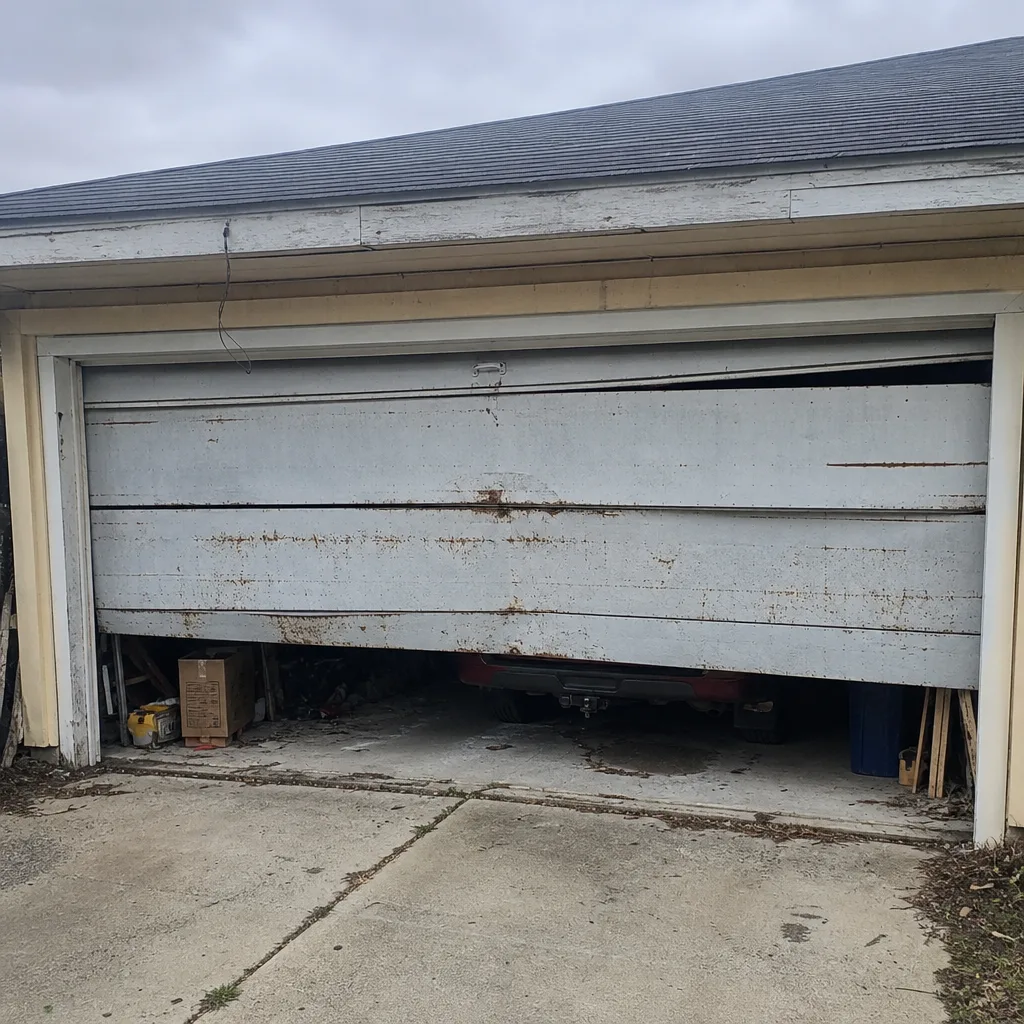 Before
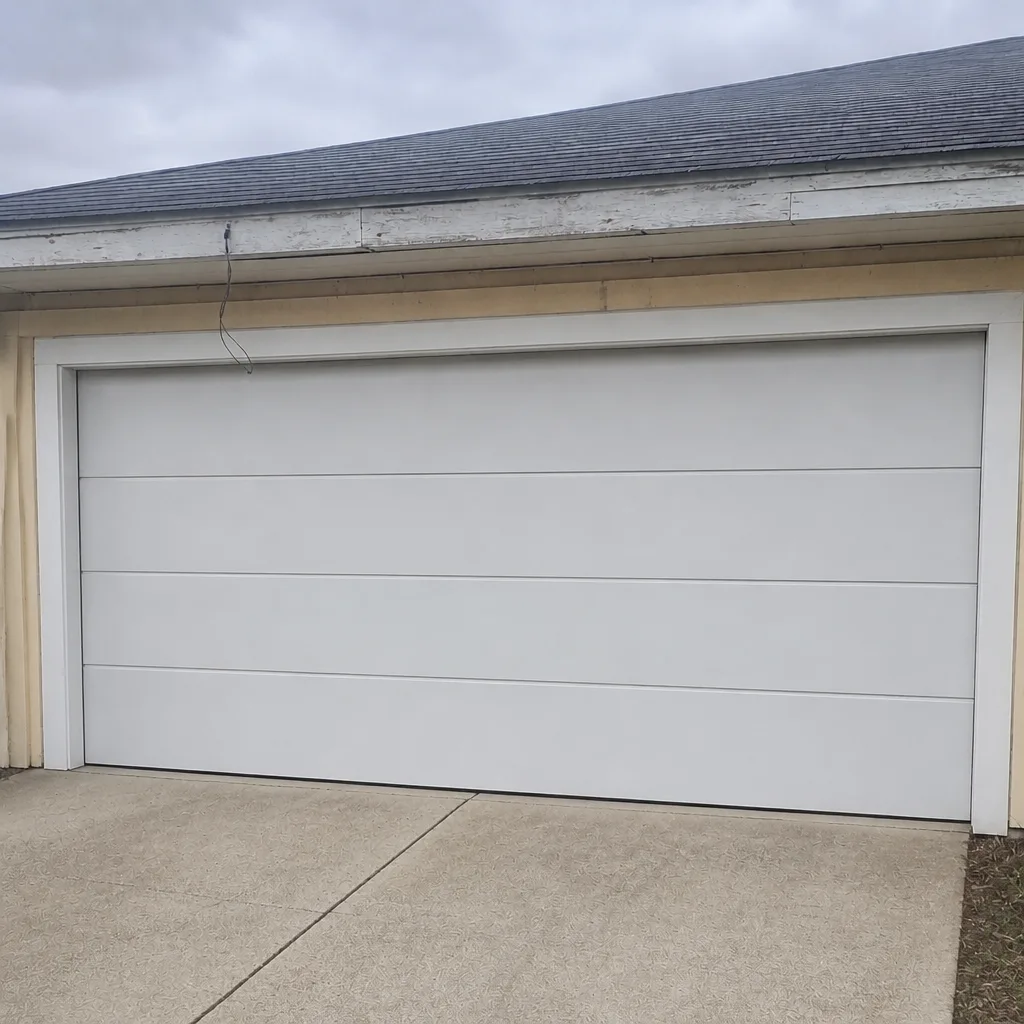 After
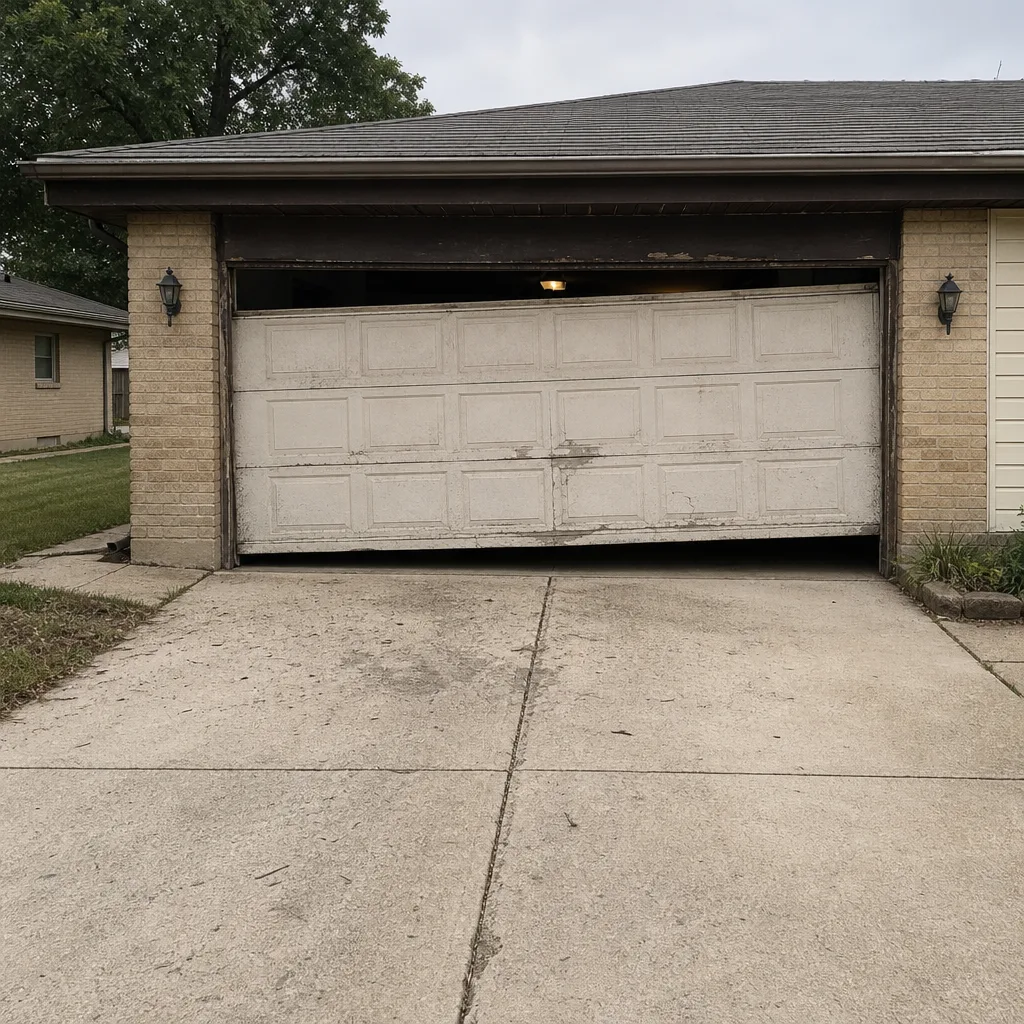 Before
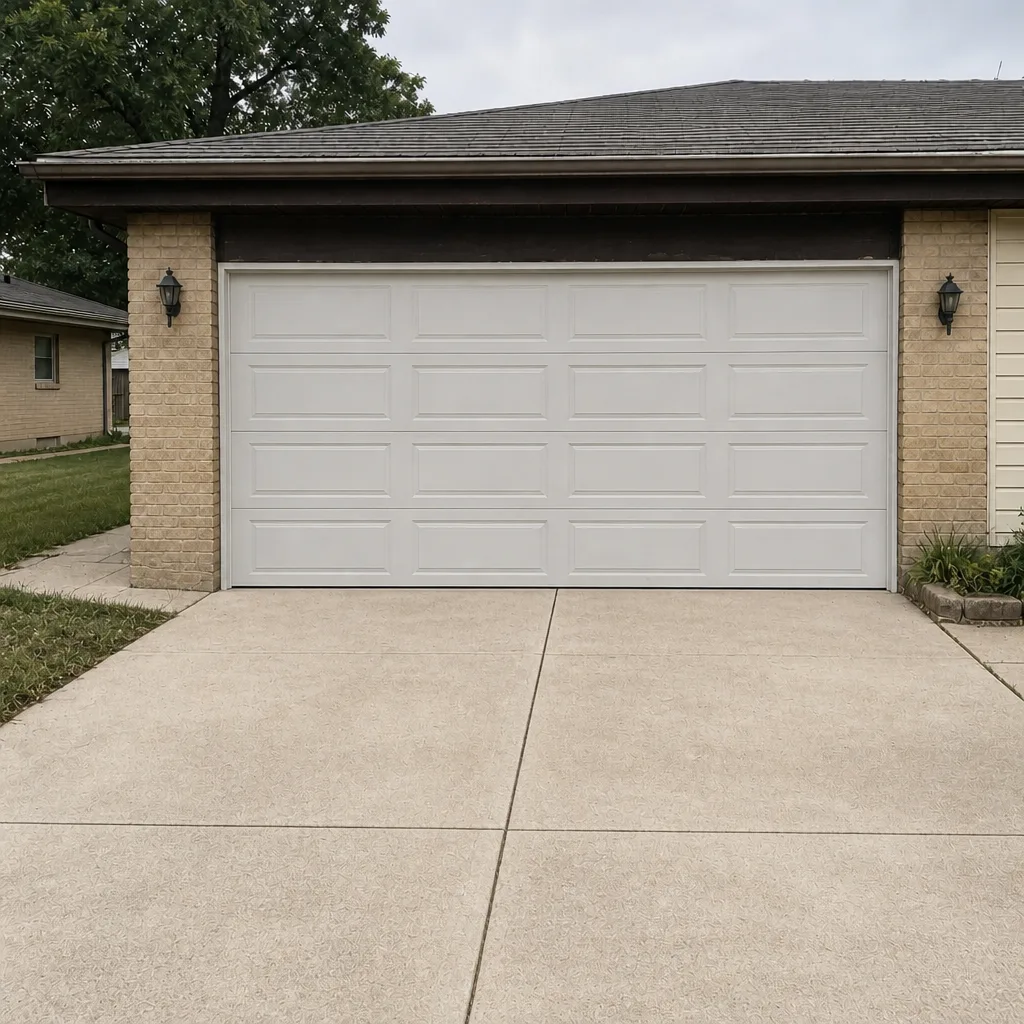 After
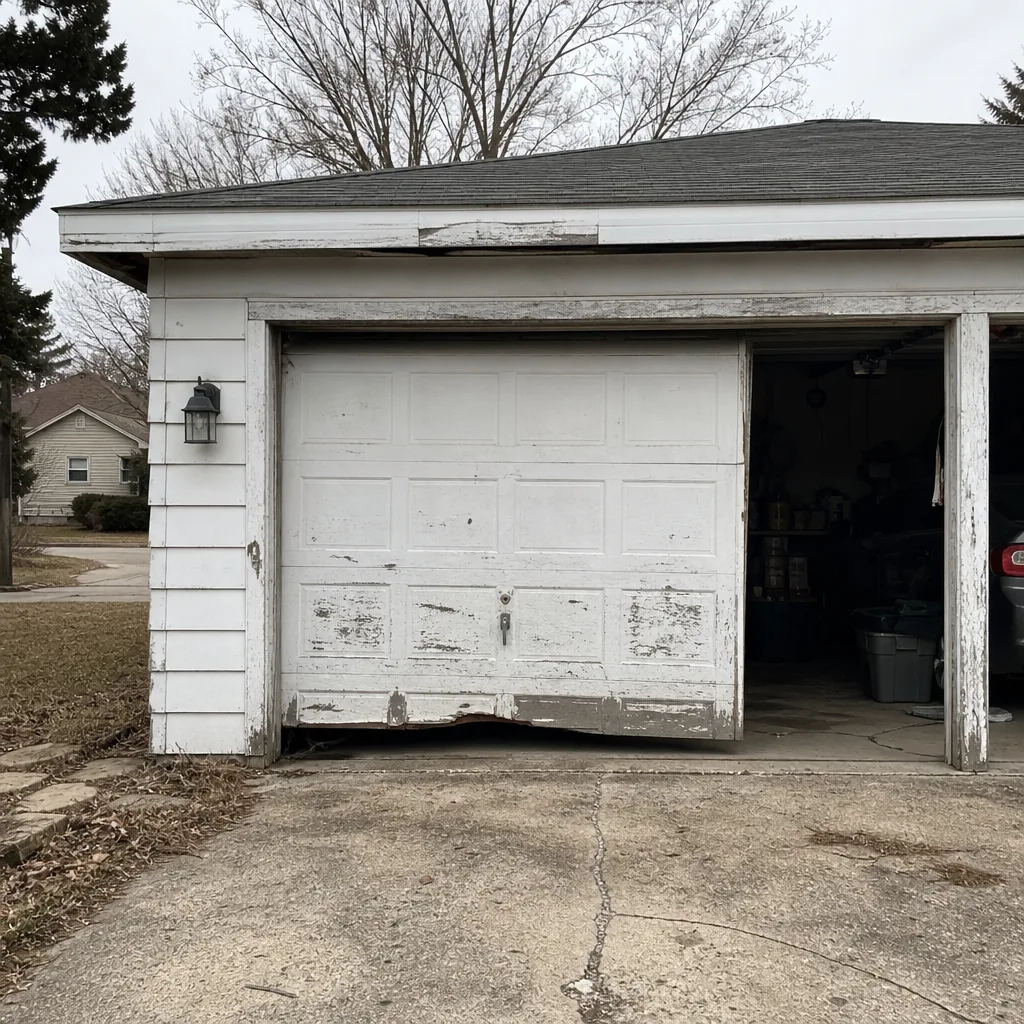 Before
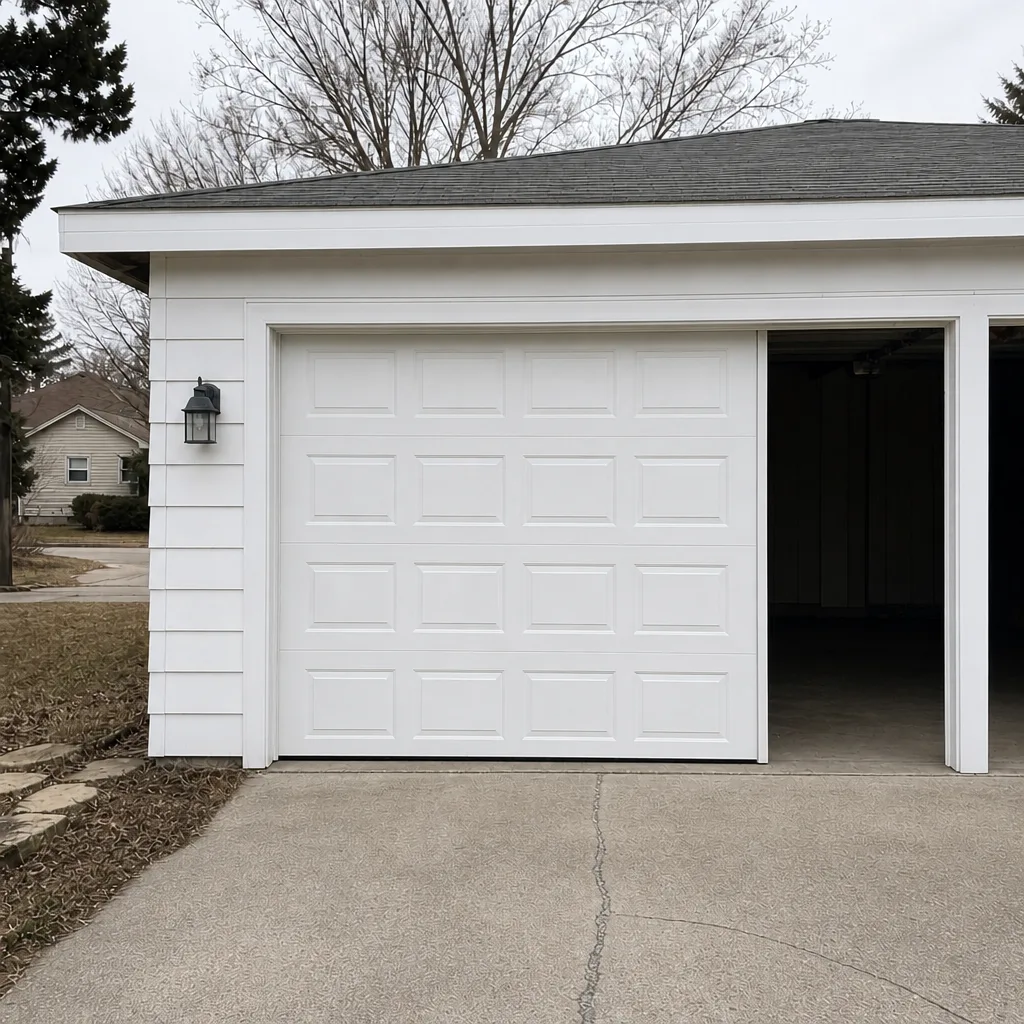 After
When to Call a Professional
Call a professional if you hear a loud bang from the garage (a sign of a broken spring), if a cable is frayed or hanging slack, if the door has come off its track, or if the door feels heavy and won’t stay open halfway. Call if the opener strains, reverses unexpectedly, or won’t lift the door at all. Call if a bottom seal has cracked or the door freezes to the floor more than once. Call if a wood frame or weatherstripping has swelled and the door rubs in summer. And call if you simply want a full seasonal check before the cold or the heat arrives. Remington Garage Door Repair offers free estimates in Joliet, and you can reach us at (888) 857-5215. We answer 24/7. Fast dispatch from 7am to 7pm, Sunday through Friday. The price is quoted and agreed before any work starts, so you know the number before we begin.
Frequently Asked Questions
Start in early October and finish by late November, before the first hard freeze. That window gives you time to replace a worn bottom seal, dry the tracks, lubricate the moving parts, and catch a tired spring before cold makes it brittle. Missing that window is the most common reason a door fails in January.
No. Forcing a frozen door is the fastest way to burn out an opener motor and the most common cause of a snapped spring in cold weather. Disconnect the opener with the manual release, free the ice gently with warm water or a plastic scraper, and lift the door by hand before re-engaging the opener.
Because the winter freeze-thaw cycle works them loose. Repeated contraction and expansion leaves fasteners a little less tight and cables and rollers a little more stressed by March. A 20-minute inspection in early spring catches most of this before a cable snaps or a door comes off its track.
Humidity swells wood door frames and weatherstripping, so a door that ran fine in May can start rubbing or sticking in July. Heat also thins lubricant so it migrates off the parts it protects. Re-lubricate once the heat is established, and check wood components for swelling and weatherstripping for sagging.
At least twice a year as a baseline, but in Joliet we’d add a summer touch. Lubricate in fall before the cold and again once summer heat sets in, because high heat thins the lubricant and the parts you lubed in spring run drier by midsummer. Check for a dry or squeaky sound in between and reapply lightly if you hear it.
Yes. Springs and the rest of the system are all one trade for us, so a spring repair visit can include a check of the cables, rollers, tracks, and opener. We handle Raynor, LiftMaster, Chamberlain, and Genie systems, among others, so the technician arrives already familiar with your setup. Call (888) 857-5215 for a free estimate; the price is quoted and agreed before any work starts.
The Bottom Line
Garage door care in Joliet works best when it’s timed to the seasons rather than to a generic calendar. Fall prep prevents the three most common winter failures. Winter care means not forcing a frozen door. Spring is the highest-risk season for cables and rollers, and a short inspection catches most problems. Summer asks for a different lubrication schedule and a look at wood frames and weatherstripping. Build your year around those windows and you’ll catch failures before they happen. If you want a full check or something’s already gone wrong, call Remington Garage Door Repair at (888) 857-5215 for a free estimate. We answer 24/7. Fast dispatch from 7am to 7pm, Sunday through Friday. We also handle new garage door installation when a door is beyond repair, and you can see more about our work in Joliet.
Written by the team at Remington Garage Door Repair.