
Last updated November 15, 2026
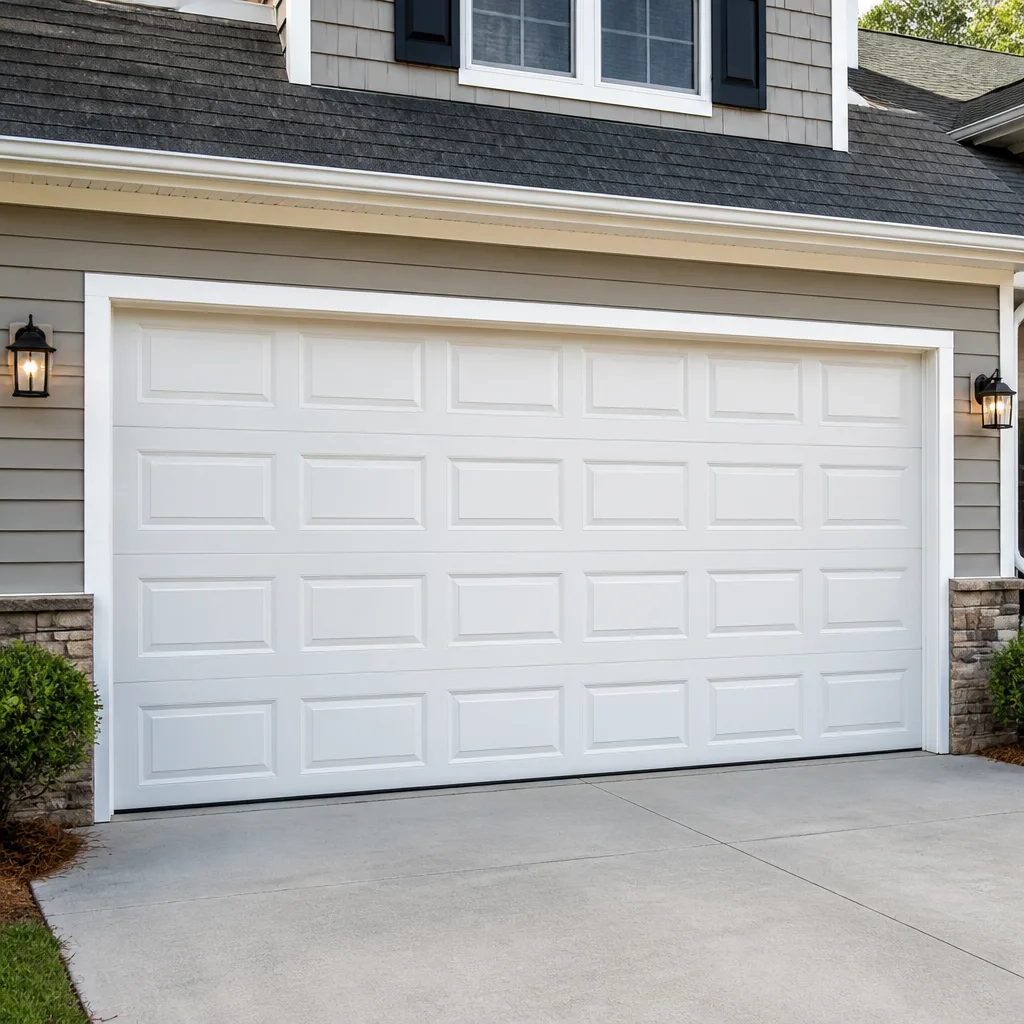 Raised-panel steel
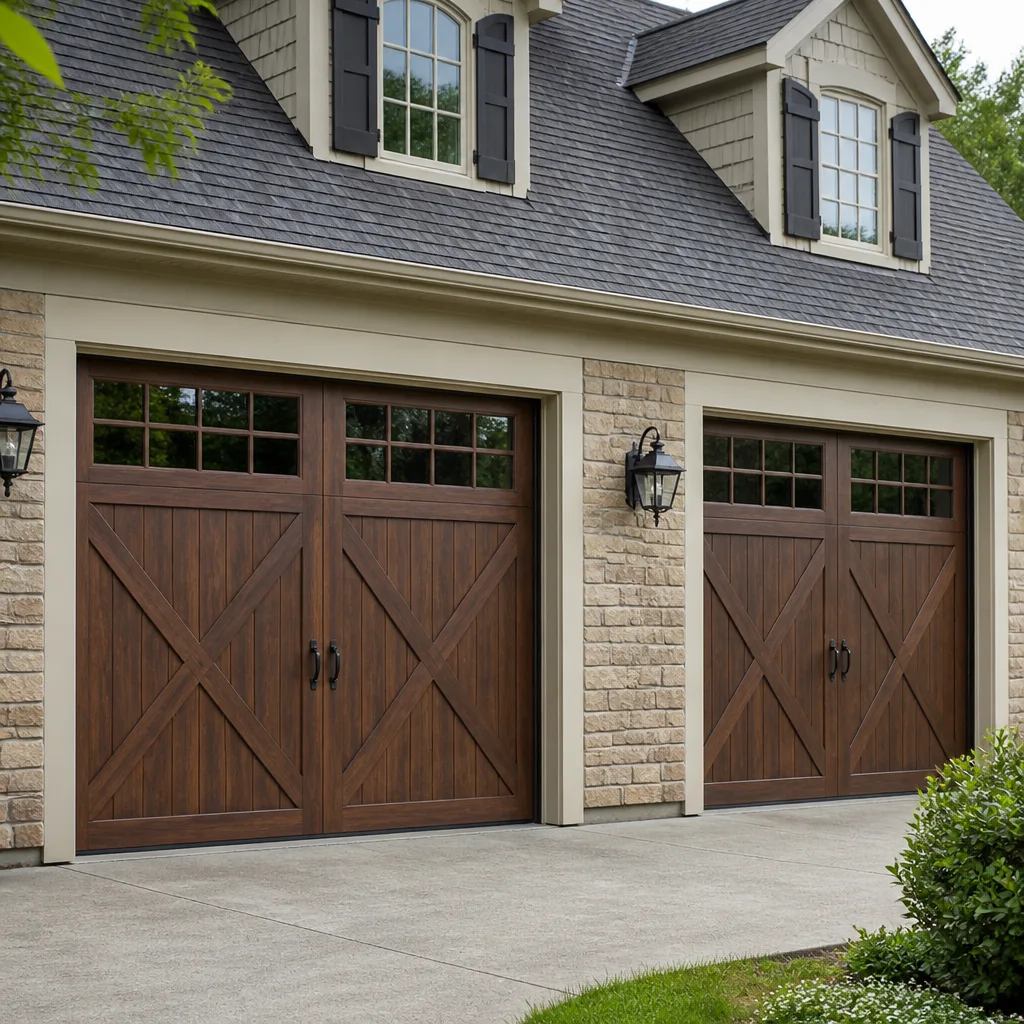 Carriage house
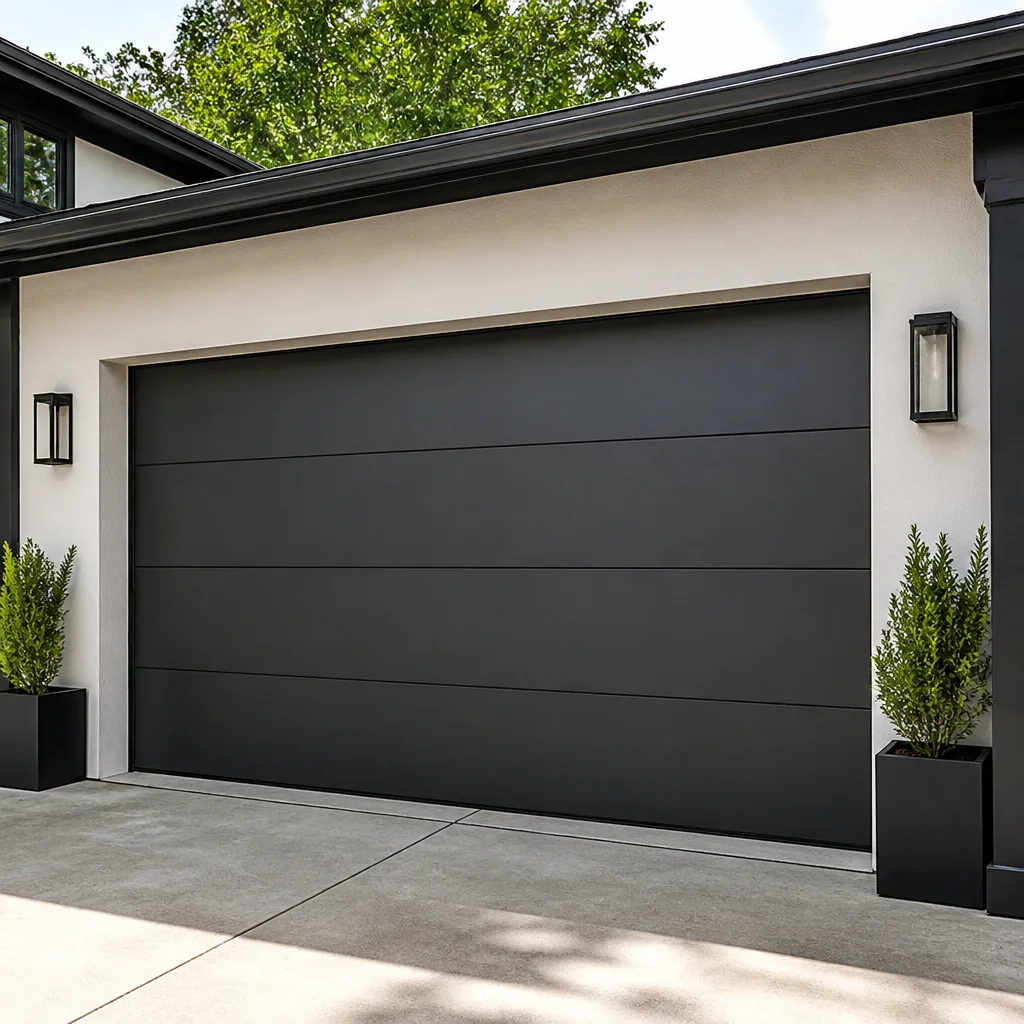 Modern flush
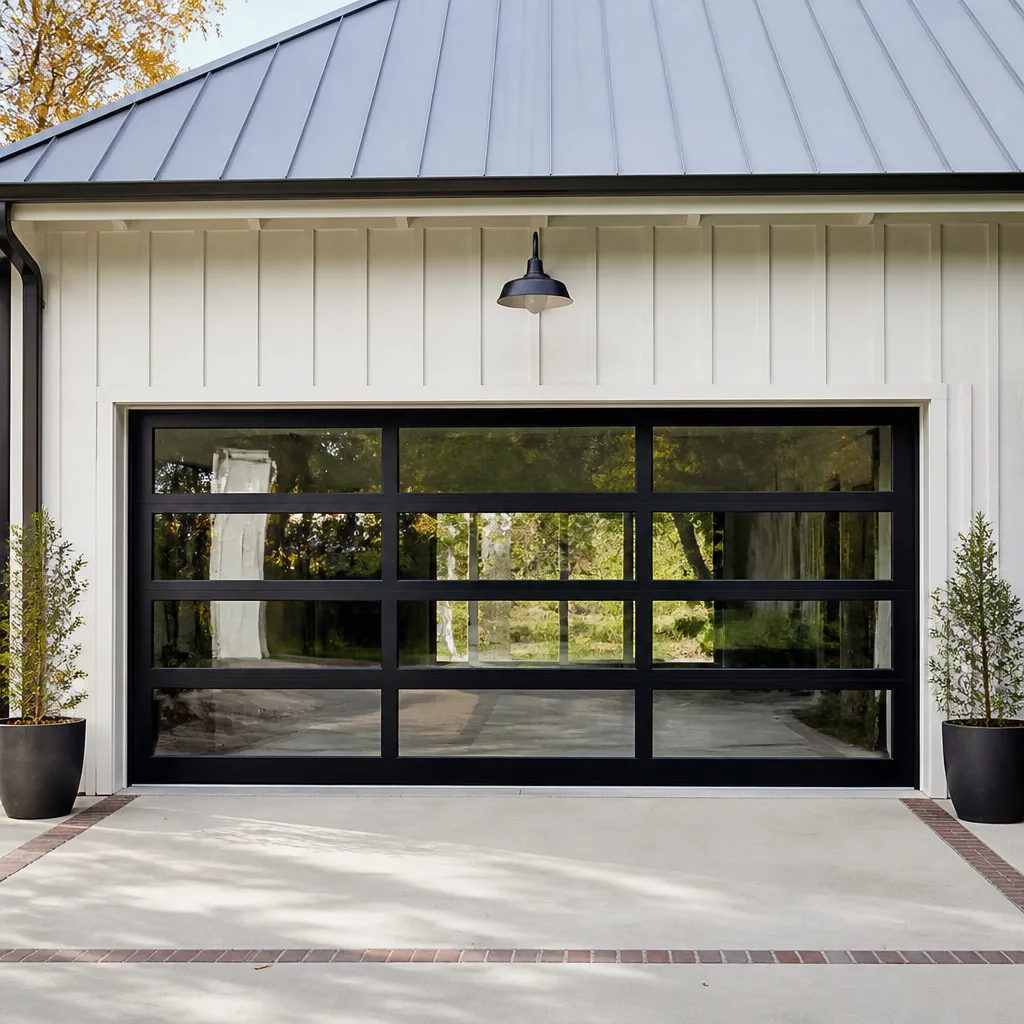 Full-view glass
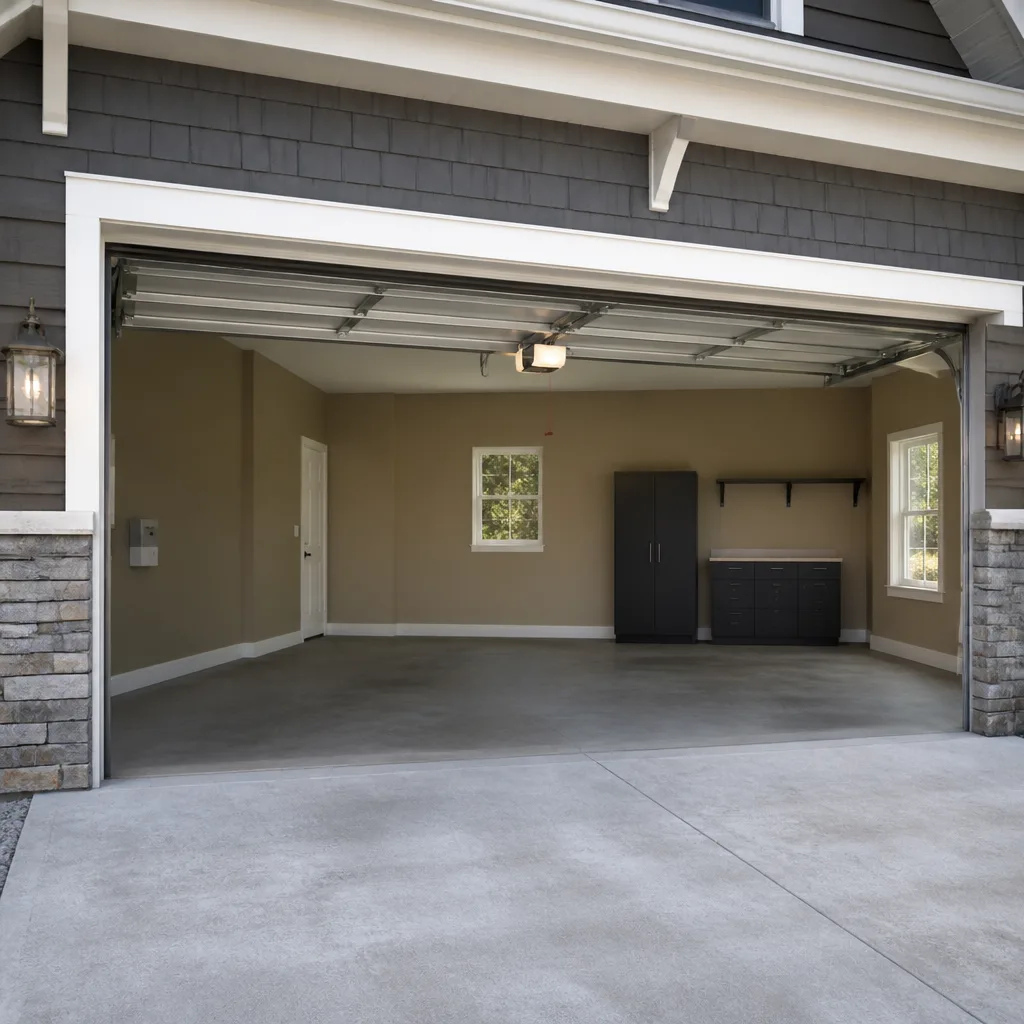 LiftMaster openers
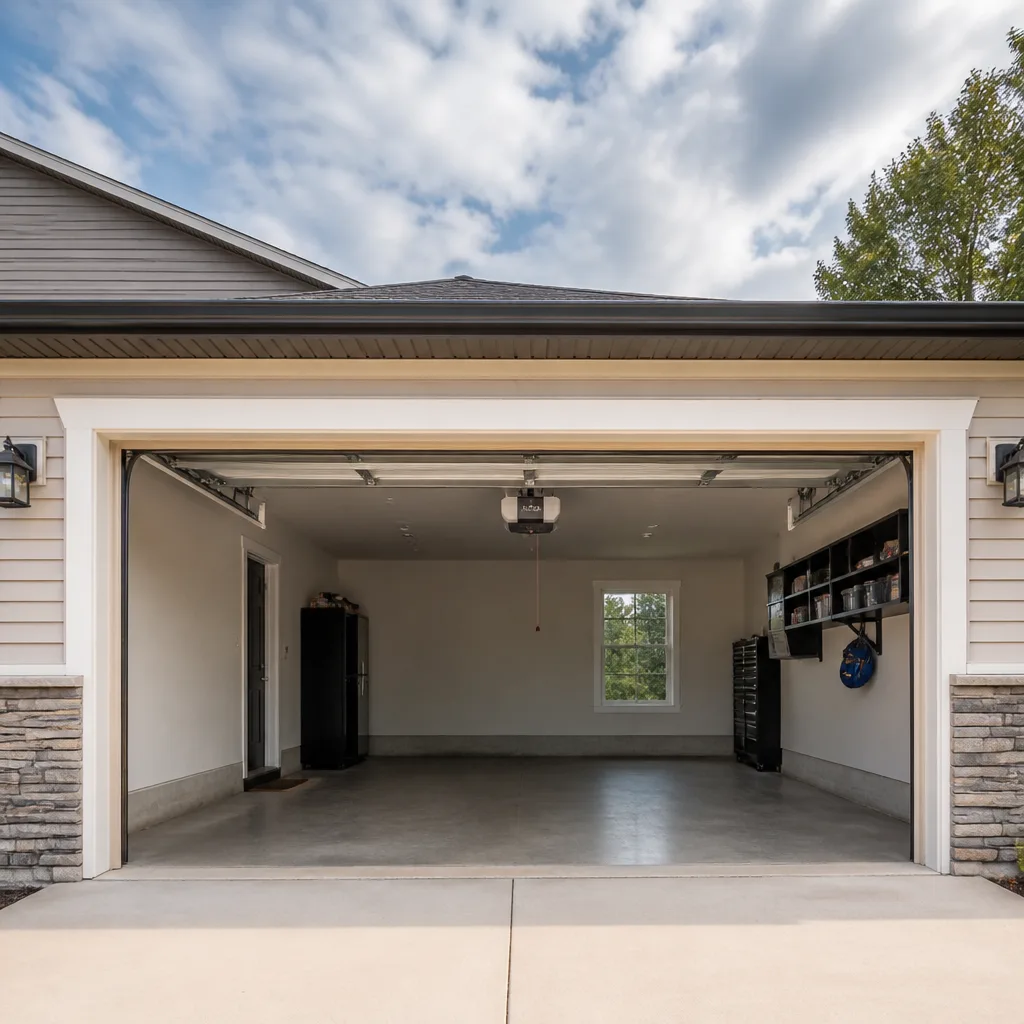 Chamberlain openers
Full 25-point door and opener safety check with every visit - springs, cables, rollers, tracks, and your LiftMaster or Chamberlain opener included
You get a price before we start. It does not change when the pro arrives.
Get your free estimateChoosing the Right Garage Door Brand: A Buyer’s Guide for Joliet
The brand your neighbor swears by might be the one a specialist approaches with caution. That’s because durability, parts availability, and repairability are three completely different things, and a door that looks flawless on a showroom floor tells you almost nothing about how easy or expensive it will be to fix when a panel gets dented or an opener quits. In this guide, we walk through how the most-installed brands in the Joliet market actually hold up, what steel gauge really means, how to size insulation for northern Illinois winters, and the one parts question almost no one asks before they buy. By the end you’ll know how to pick a door and opener pairing that won’t create avoidable service calls down the road.
Quick Answer
For most Joliet homes, the right garage door brand is the one whose replacement parts are readily available, whose insulation suits our cold winters and hot summers, and whose opener is matched to the door’s weight and size. Clopay and Amarr are common, well-supported choices for insulated steel doors, while opener brands like LiftMaster and Chamberlain give you the widest access to parts and smart features. The brand name matters less than how well the door and opener are matched and how easy the system is to service.
Styles & brands we work with
- Raised-panel steel
- Carriage house
- Modern flush
- Full-view glass
- LiftMaster openers
- Chamberlain openers
Table of Contents
- Why Brand Choice Matters More Than Homeowners Expect
- The Five Most-Installed Brands in Joliet, Rated on What Matters
- Why the Opener Brand Matters as Much as the Door
- Insulation Ratings (R-Value) for Joliet’s Climate
- Steel Gauge Reality: 24 vs. 25-Gauge in a Working Garage
- The Parts Availability Test: Check Before You Buy
- How to Match a Door and Opener to Your Home
- What the Buying and Installation Process Looks Like
Why Brand Choice Matters More Than Homeowners Expect
Most people choose a garage door based on how it looks from the curb. That’s understandable, since the door is often the largest single surface on the front of a home. But a garage door is a mechanical system with springs under load, a heavy panel assembly, and an opener that has to lift all of it safely every day for years. The brand you choose determines how that system behaves when something wears out.
Three things separate a door that’s easy to live with from one that becomes a nagging expense:
- Parts availability. When a panel is damaged or a spring needs replacing, can the correct component be found quickly, or does it require a special order with a long lead time?
- Repairability. Some brands design models to come apart and go back together in ways that make service easier. Others bury components that a technician has to fight to reach.
- Durability by design. Gauge, insulation, and hardware quality all affect how a door ages in a working garage, not a showpiece one.
In Joliet, those factors get tested in a very particular way. Homes here sit through cold winters with repeated freeze-thaw cycles, hot summers with high humidity, and plenty of wind and rain from spring and summer storms. A door that lives its life in a climate like ours sees more movement, contraction, and expansion than one in a mild region. That’s why we point homeowners toward brands with broad parts networks rather than small makers who may look premium but leave you waiting weeks on a component.
People in neighborhoods like Cathedral Area, Upper Bluff, and West Jefferson keep older homes with garages that were built well before modern insulated doors existed. Others in newer west-side and southeast subdivisions have doors that were installed by the builder and are now due for replacement. Both groups benefit from the same approach: choose the brand you can get serviced locally, not just the one that looks best in a brochure.
The Five Most-Installed Brands in Joliet, Rated on What Matters
We work on doors from many manufacturers, and five names come up again and again in Joliet. Here’s an honest comparison built on three things you’ll actually notice after you buy: how readily replacement parts can be found, where these doors typically fail, and what the long-term repair picture tends to look like.
Clopay
Clopay is one of the most common residential brands in the region, and for good reason: parts availability is strong, the model lineup covers everything from basic steel to heavily insulated doors, and replacement panels are usually easy to source. Typical failure points are the usual ones (rollers, hinges, and springs) rather than anything quirky to the brand. Long-term repair tends to be straightforward.
Amarr
Amarr is another well-supported choice, known for solid insulated steel doors and a range of style options. We see fewer parts headaches with Amarr than with some lower-volume brands, and the visual quality holds up well. Failure points are similar to Clopay’s, centered on wear items rather than design flaws.
Wayne Dalton
Wayne Dalton shows up often on homes built in the last few decades. Their doors are generally dependable, though certain models have opener and hardware configurations that need the right technician to service correctly. Parts are available, but a few product lines are less common, so it pays to confirm availability before buying a discontinued model.
Craftsman
Craftsman is best known for openers rather than doors, and the brand is extremely common on older Joliet homes. Craftsman openers are rebuildable and parts are widely stocked, which makes them a practical system to keep running rather than replace. This is a legacy brand that still makes sense to service.
LiftMaster / Chamberlain
These two are opener brands that share an ecosystem and appear on more Joliet homes than any other opener name. Parts availability is excellent, and the myQ smart ecosystem is widely supported. In practice, the opener is often where service calls originate, not the door, so choosing a well-supported opener brand pays off.
What we don’t recommend is over-indexing on a single brand’s marketing. The best door for your home is the one with a strong parts network behind it, matched to an opener that can lift it reliably. That pattern repeats no matter which of the five you pick.
Why the Opener Brand Matters as Much as the Door
Homeowners tend to think of the door and opener as one unit, but they’re two separate systems, and mismatched pairings create a large share of avoidable service calls we see in Joliet. The opener has to match the door’s weight, its size, and its insulation level. A door that’s heavier than the opener was designed to lift will strain the motor, wear out the gears, and shorten the opener’s life. That’s the usual story behind a door that seems to “stick” or an opener that struggles and then quits.
A few pairing rules of thumb worth knowing:
- Heavy insulated doors need enough horsepower. A thick, well-insulated double door weighs significantly more than a basic single door, and the opener must be rated for it.
- Smart openers are only as good as their install. A Wi-Fi-enabled LiftMaster or Chamberlain works well when set up correctly and paired with a compatible door. Misconfigured travel limits and force settings are a common source of nuisance problems.
- Legacy openers still deserve service. A Craftsman opener from an older installation can keep running for years if serviced, rather than being replaced by default.
- Safety sensors must be aligned and clean. A lot of “the opener won’t close” calls are really a sensor problem, not a motor problem.
When an opener starts to fail, the right move is usually a proper diagnosis rather than a quick swap. If your system needs attention, we handle garage door opener repair for smart and traditional units alike, and we can tell you whether a repair makes sense or replacement is the better call. That’s the kind of decision a multi-brand specialist is well positioned to make.
Insulation Ratings (R-Value) for Joliet’s Climate
Insulation is where a lot of door buyers overspend in Joliet, and also where a few underspend. The R-value on a garage door measures how well it resists heat flow. Higher R-value means more insulation and typically a higher price. The trick is matching the R-value to how the garage is actually used and how the door interacts with the rest of the house.
Joliet winters are cold enough that a garage used as a workspace, a gym, or a regular entry point benefits from decent insulation. Our summers are warm and humid enough that the same insulation keeps heat out when it matters. An attached garage that shares walls with the house also affects how much heat leaks into living space, which is where insulation pays back most directly. A detached garage that’s mostly for parking doesn’t need the highest rating on the market.
Here’s how to think about it:
- Attached garage you use every day: aim for a solidly insulated door with a moderate-to-high R-value, since it borders conditioned space.
- Attached garage used only for parking: a mid-range insulated door is usually enough; you’ll get a quieter, sturdier door without paying for insulation you won’t feel.
- Detached garage: a basic-to-moderate insulated door is usually plenty; heavy insulation adds cost without much benefit if the space isn’t heated.
The catch is that R-value only works as advertised if the door is properly installed and sealed. Gaps around the edges, worn weatherstripping, and a poorly aligned door let in more cold air than the insulation holds back. We see this a lot on older homes in Joliet where the door was fine but the seals have aged. If you’re replacing a door and want the insulation to actually do its job, installation quality matters as much as the number on the box.
Steel Gauge Reality: 24 vs. 25-Gauge in a Working Garage
Steel gauge is a topic that confuses a lot of buyers, so let’s clear it up. Gauge is a measure of steel thickness, and confusingly, the lower the number, the thicker the steel. A 24-gauge steel door is thicker than a 25-gauge door, which means it tends to resist dents better and feel more substantial.
Whether that upgrade is worth it depends entirely on how your garage gets used:
- Working garage (bikes, tools, kids, lawn equipment): the door takes more knocks, so a 24-gauge door’s extra dent resistance is usually worth the upcharge.
- Showpiece or lightly used garage: a 25-gauge door can look every bit as good and save money if it won’t see much impact.
- High-wind or storm exposure: thicker steel tends to hold its shape better under wind pressure, which matters in exposed Joliet locations.
The honest advice is to match the gauge to the garage’s real life. A door that’s never touched doesn’t need the thicker steel. A door that’s used as a workshop entrance every day makes a 25-gauge door a false economy if it dents easily. Ask yourself which kind of garage you actually have before you decide.
The Parts Availability Test: Check Before You Buy
This is the question almost no one asks before buying a garage door, and it’s the one that matters most when a panel gets damaged. Replacement components for some brands can be found quickly; others require special orders with long lead times. If your door’s manufacturer is hard to source, a simple panel replacement can turn into a weeks-long wait, and in the meantime your garage is open to the weather.
Here’s a step-by-step way to test parts availability before you commit:
- Ask the dealer where replacement panels come from. Can they be sourced locally, or do they ship from a distant warehouse?
- Ask a service technician, not just a salesperson. A technician who works on multiple brands will know which ones are easy to source and which are a headache.
- Check whether springs, rollers, and hinges are standard or proprietary. Standard wear parts are easy; proprietary hardware can be a problem.
- Confirm your model won’t be discontinued soon. Discontinued models are where parts huntdowns get painful.
For homeowners dealing with a damaged door, we handle garage door repair and can often source the right component for common brands like Clopay and Amarr without a long wait. The point isn’t that we can fix anything instantly; it’s that choosing a brand with a strong parts network makes everything downstream easier. That single question, asked before you buy, can save a lot of frustration later.
How to Match a Door and Opener to Your Home
Matching the door to your house and the opener to your door is where the whole purchase comes together. A beautiful door that’s the wrong size or style looks off; a matched door and opener that’s undersized creates ongoing trouble. Here’s how to think about the match.
Match the door to the house
- Style and material: steel is the standard for durability and value; composite and specialty options cost more but can match a home’s architecture better.
- Size and weight: measure the opening carefully, since an oversized door needs a stronger opener.
- Insulation: match R-value to how the garage is used, as covered above.
Match the opener to the door
- Horsepower: a heavier, insulated door needs a stronger opener. Don’t let the opener be the weak link.
- Brand ecosystem: if you want smart features, choose an opener whose smart ecosystem is well supported, like the myQ-enabled LiftMaster and Chamberlain systems.
- Legacy compatibility: if you already have a working Craftsman or Genie opener, it may make sense to keep it and match the door to it rather than start over.
This is the part where a specialist helps most. We work with Clopay, Amarr, Wayne Dalton, Craftsman, LiftMaster, Chamberlain, Genie, and Raynor, so we can recommend a pairing based on how the system will behave together, not just which brand has the best sales pitch that month. If you’re considering a new door, we handle garage door installation and can walk you through both door and opener options side by side. One call covers the whole system.
What the Buying and Installation Process Looks Like
Knowing how the process unfolds helps you plan. Installation work is measured, ordered, and scheduled, so it doesn’t happen the same day you call; it takes a sequence of steps that vary a little based on the door and the home.
- Measure and assess. A technician measures the opening, checks the existing framing and opener, and confirms what will fit correctly. This is the step that prevents surprises later.
- Choose door and opener. You pick the door style and material and the matching opener, with the gauge, R-value, and weight considerations we’ve covered in mind.
- Order and schedule. The door is ordered and an installation date is set. Lead time depends on the brand and model.
- Removal and prep. The old door comes down, the opening is checked, and new hardware and tracks are prepared.
- Install the door and opener. Panels are installed, springs tensioned, and the opener mounted and paired to the door.
- Balance and safety check. The door is balanced, travel limits are set, and the safety sensors are tested so the door reverses properly.
- Walkthrough. You get a demonstration of operation and a brief on what to watch for over the years.
If something does come up later – a stiff door, a noisy track, an opener that acts up – the fix starts with a proper diagnosis. If you’re not yet at the replacement stage and just want to keep your current system running, we also handle garage door repair for doors and openers of every brand we listed. Getting the brand-and-match decision right up front is what prevents repeat service calls, and that’s the whole point of this guide.
Common Mistakes to Avoid
- Choosing purely on looks. A door that looks great but has a thin parts network becomes expensive the first time a panel is damaged. Ask about parts before you buy.
- Buying a heavier door for an old opener. This is one of the most common pairing mistakes we fix. The opener has to be rated for the door’s real weight.
- Overpaying for R-value you won’t use. A detached, unheated Joliet garage doesn’t need the highest insulation rating on the market. Match insulation to how the garage is actually used.
- Assuming 25-gauge is “the good one”. Lower gauge is thicker steel. If your garage is a working space, 24-gauge resists dents better and is often the smarter buy.
- Ignoring seals and weatherstripping. On older homes, worn seals can undo the value of a well-insulated door. Budget for seals as part of the job.
- Skipping the safety sensors. These are there for a reason. A misaligned sensor causes nuisance faults; a stuck-open garage in winter lets in cold and animals.
- Assuming any handyman will do. Garage doors are a specialty. A generalist learning on the job may miss worn springs or a misbalanced door, which are precisely the failures you want caught early.
See the difference
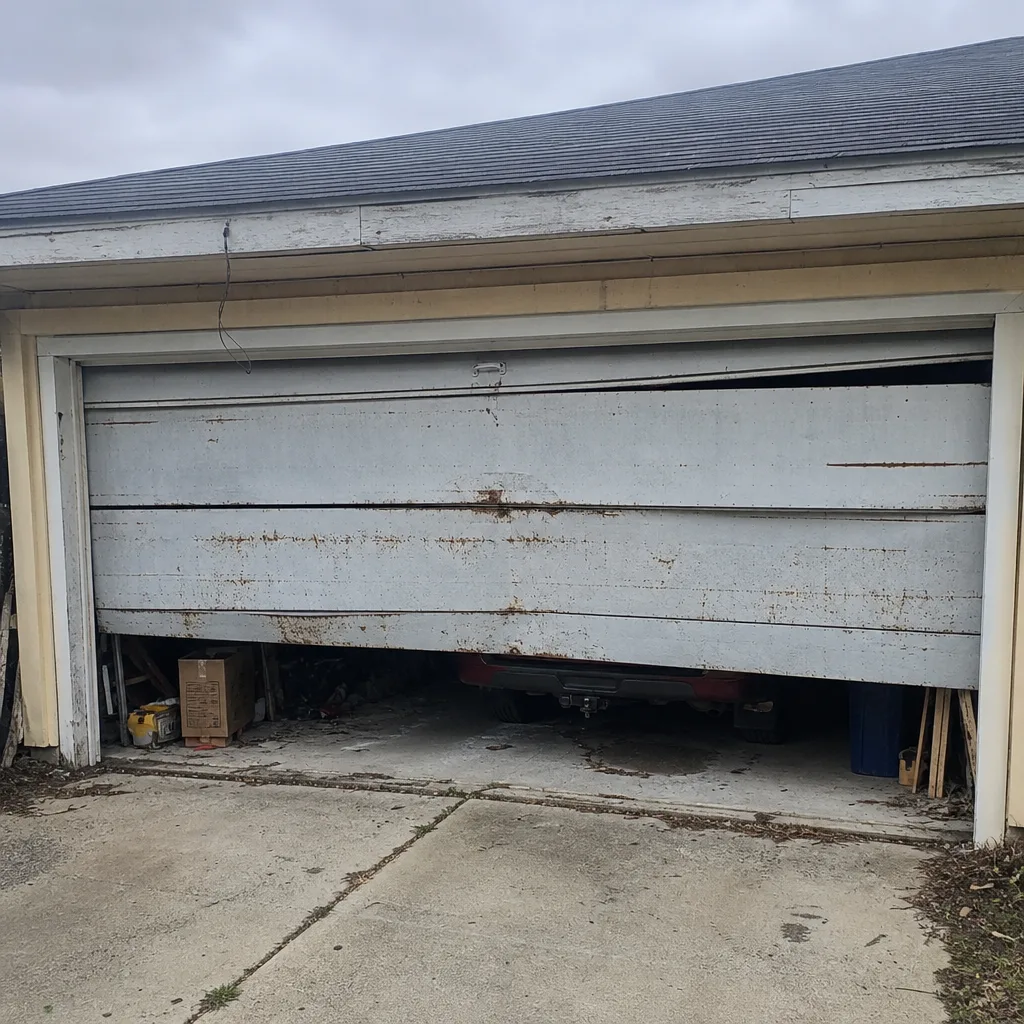 Before
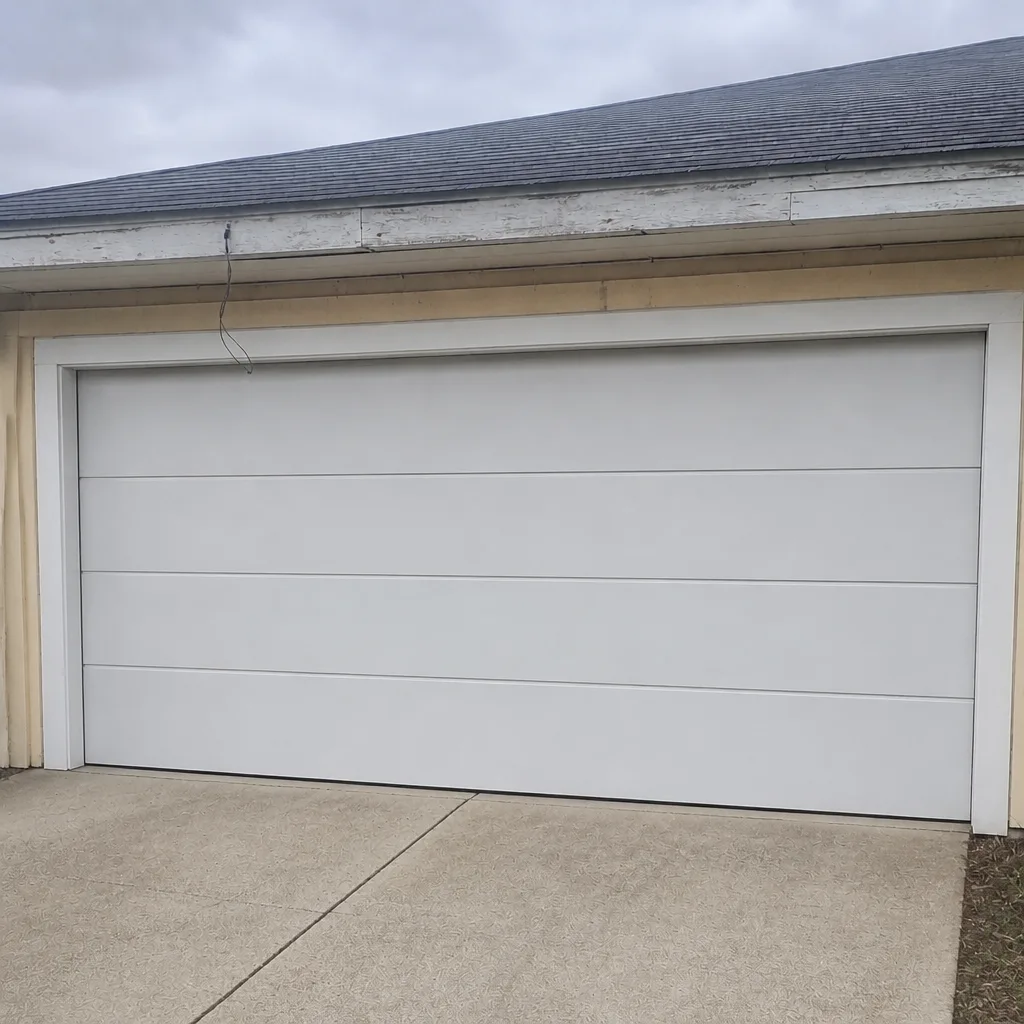 After
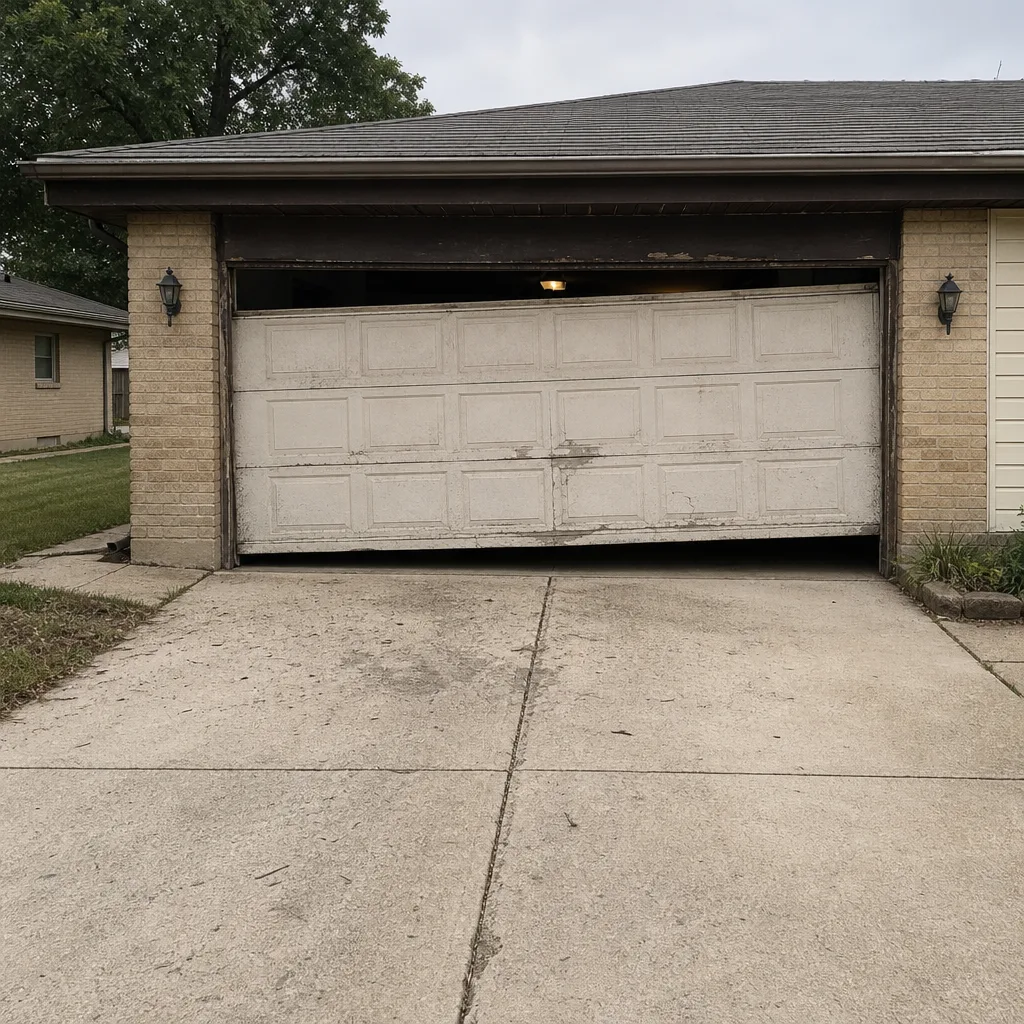 Before
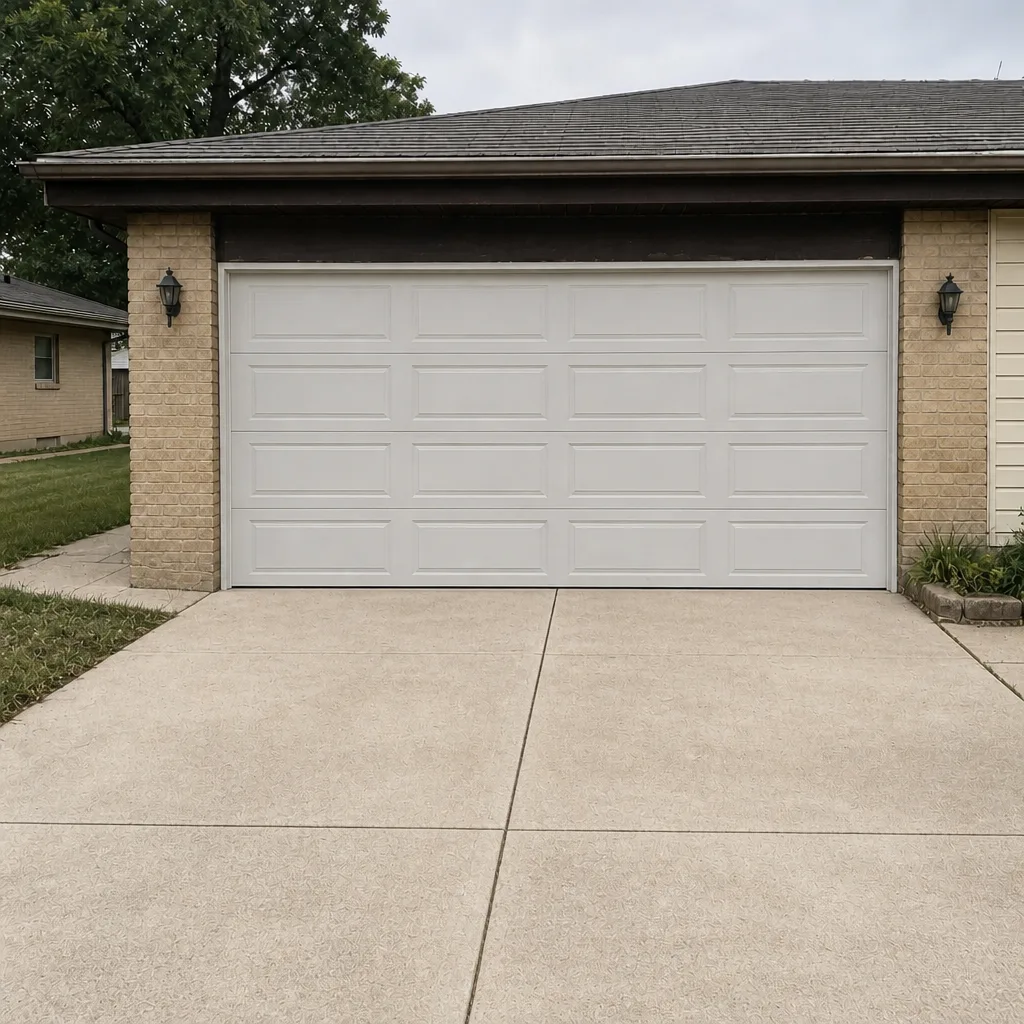 After
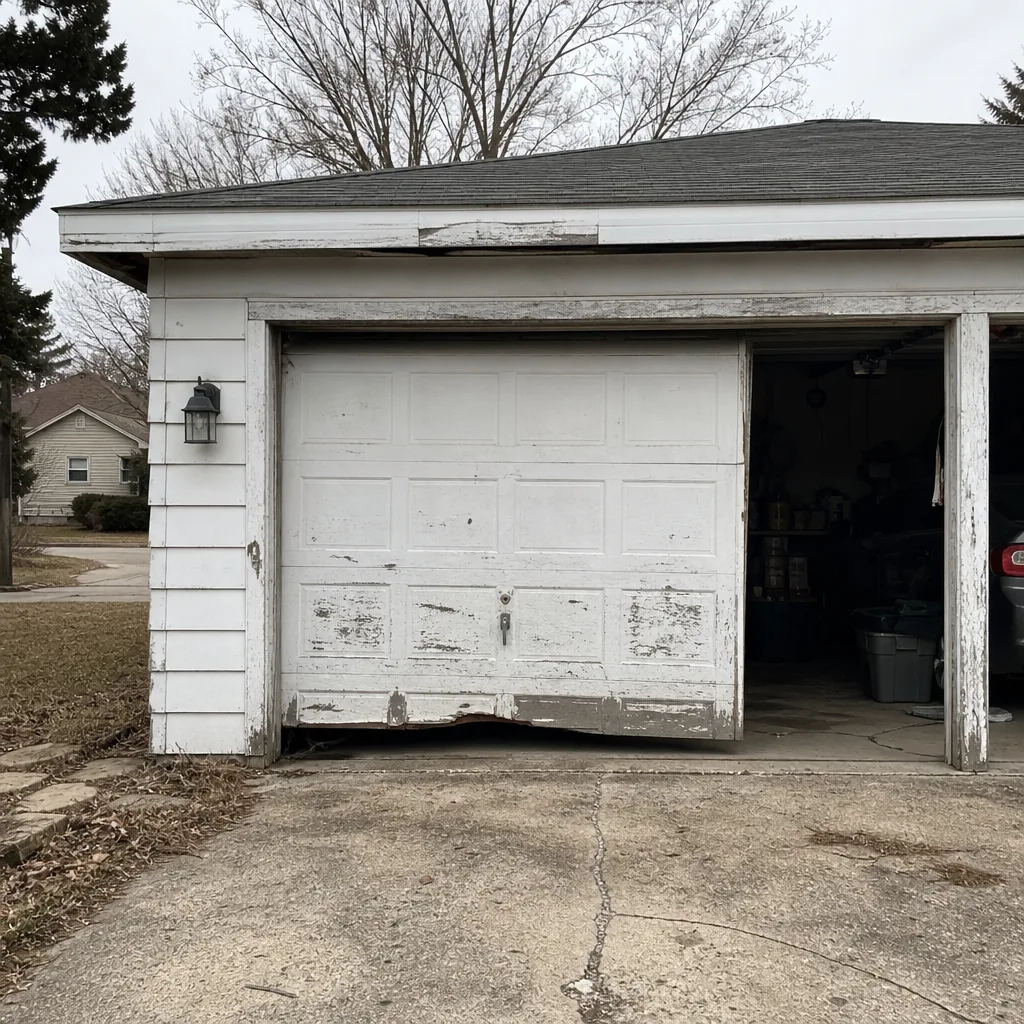 Before
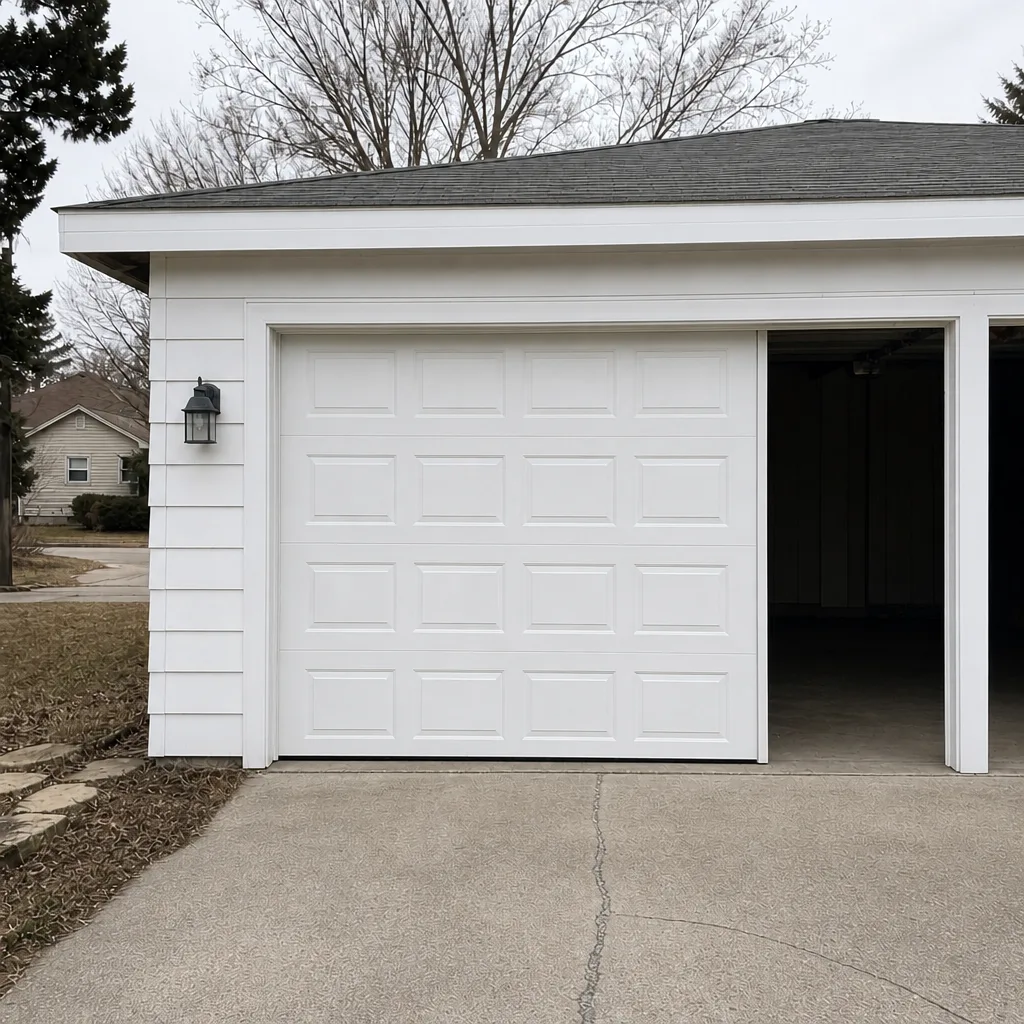 After
When to Call a Professional
Some things are safe to inspect yourself; others you should leave to a trained technician. Springs are under enormous tension and can cause serious injury if adjusted by someone untrained, so never attempt that work yourself. Call a professional if your door is unbalanced, moves unevenly, won’t stay up, or if the opener reverses unexpectedly or won’t close. Damaged panels, bent tracks, and worn cables also call for a specialist rather than a generalist. Remington Garage Door Repair offers free estimates in Joliet – call (888) 857-5215. We answer 24/7, with fast dispatch from 7am to 7pm, Sunday through Friday. Our technicians have up to 9 years of experience serving the brands in this guide.
Frequently Asked Questions
The best brand is the one with strong parts availability, durability suited to our climate, and an opener that matches the door. Clopay and Amarr are common, well-supported choices for insulated steel doors, and LiftMaster or Chamberlain openers pair well with them. Call (888) 857-5215 for an exact and free estimate.
Yes. A mismatched opener is one of the most common sources of avoidable service calls in Joliet, because an underpowered opener on a heavy insulated door wears out faster. If you’re choosing both, match the opener’s capacity to the door’s weight. Call (888) 857-5215 to talk through your specific setup – estimates are free.
For an attached garage you use every day, a moderate-to-high R-value makes sense. For a detached garage used only for parking, a basic-to-moderate insulated door is usually enough. Match the rating to how the space is used rather than buying the highest number. Call (888) 857-5215 for a free estimate tailored to your garage.
For a working garage that sees bikes, tools, and daily use, 24-gauge steel’s extra thickness resists dents and is usually worth the upgrade. For a showpiece garage, 25-gauge can look just as good and save money. Call (888) 857-5215 for a free estimate to compare options.
Ask where replacement panels are sourced, whether springs and hinges are standard or proprietary, and whether the model is at risk of being discontinued. A technician who services multiple brands will know which ones are easy to source. We service eight brands including Clopay, Amarr, Wayne Dalton, and Craftsman, so we can help you check. Call (888) 857-5215.
Permit rules vary, so check with the city’s building department for your specific project. A reputable installer will know whether a permit is required for your job. If you have questions, call us at (888) 857-5215 and we’ll point you in the right direction.
The Bottom Line
Choosing a garage door brand in Joliet comes down to three things: parts availability, durability for our climate, and a proper match between the door and the opener. Showroom looks matter less than how easy the system is to service when something wears out. Clopay, Amarr, Wayne Dalton, and Craftsman are all well-supported names, and pairing them with a capable opener from LiftMaster, Chamberlain, Genie, or Raynor keeps the whole system working together. Match R-value to how your garage is used, pick steel gauge based on real wear, and always check parts sourcing before you buy. For a specialist view of your own door and opener, Remington Garage Door Repair is here to help across Joliet.
When you’re ready to move forward, call Remington Garage Door Repair at (888) 857-5215 for a free estimate. We answer 24/7, with fast dispatch from 7am to 7pm, Sunday through Friday. Our technicians have up to 9 years of experience with the brands in this guide, and whether you need a repair, an opener fix, or a full install, we’ll give you an honest recommendation and one written price before any work starts.
Written by the team at Remington Garage Door Repair.